
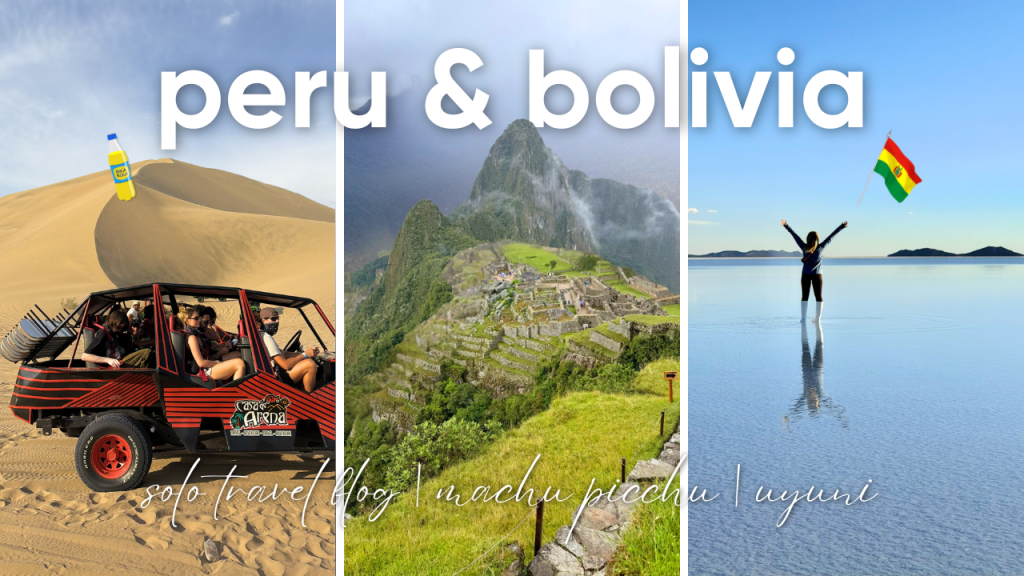
This solo trip was not something I particularly expected to go on, at least anytime soon. I was unexpectedly laid off in January and needed a change of environment. To discover who I was when I had nobody to report to. I spent several weeks backpacking across Peru and Bolivia. Originally, I assumed I’d have more time, but I received a job offer right before leaving! Even so, the timing felt right to step away, explore, and reset.
I began my trip with a layover in Orlando, where I visited my sister before continuing on to Lima. One of my first lessons came not even an hour into my time in Peru. I got into what I believed was my Uber from the airport, only to realize during the drive it was not my assigned ride. In Lima, many drivers use similar profile images, so confirming the PIN before getting in is essential. It was an early reminder to stay alert while traveling. (I was so tired it did not occur to me to look that deeply lol)
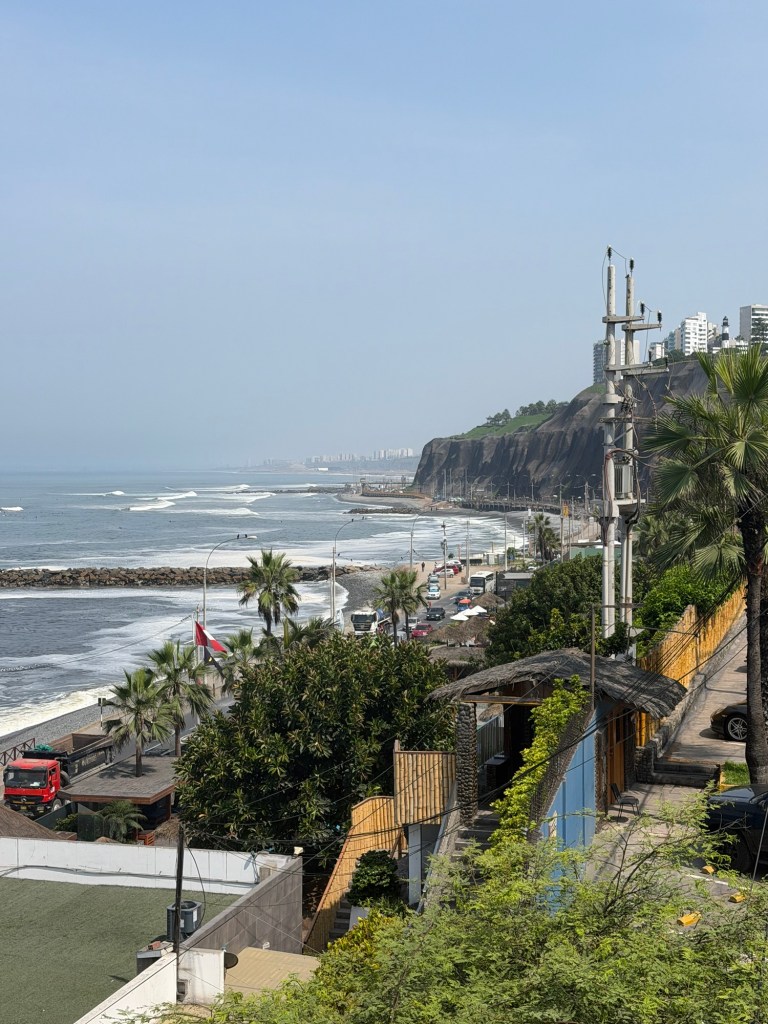
Once I arrived in Miraflores, the atmosphere shifted. That feeling washed over me, the one that reminds me that a story is about to be written. The neighborhood runs along the Pacific, where a steady marine layer softens the light and the air carries a cool, salty edge. The cliffs rise sharply above the shoreline, reinforced with netting to catch loose rock. That smell of ocean air washed over me like a blanket. From above, the ocean looks calm and controlled; down at the waterline, it’s louder, heavier, and in constant motion.
While traveling through Peru, staying connected was actually easier than I expected. I used Saily, a digital eSIM service that lets you download mobile data straight to your phone without needing a physical SIM card or dealing with airport kiosks. It was especially helpful when moving between places like Lima, Cusco, and smaller towns where I didn’t want to rely on spotty Wi-Fi or hunt down a local SIM.
If you’re planning an international trip and need an ESIM, you can use my code HOLLYT1593 for $5 off a plan with Saily! (On App Store)
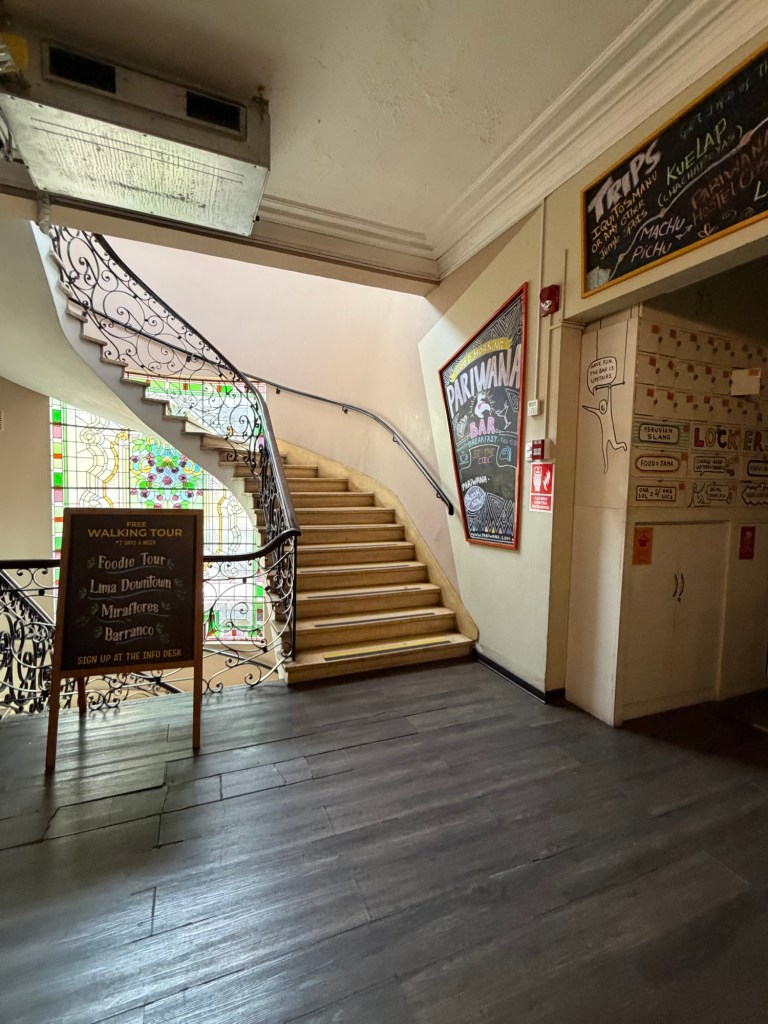
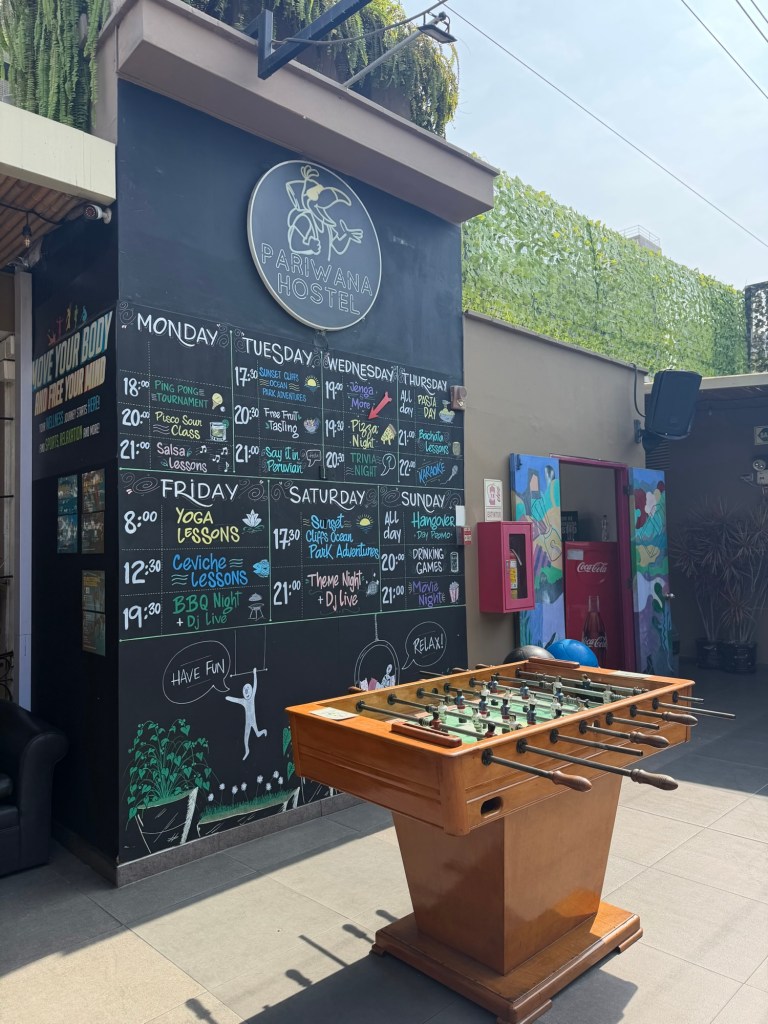
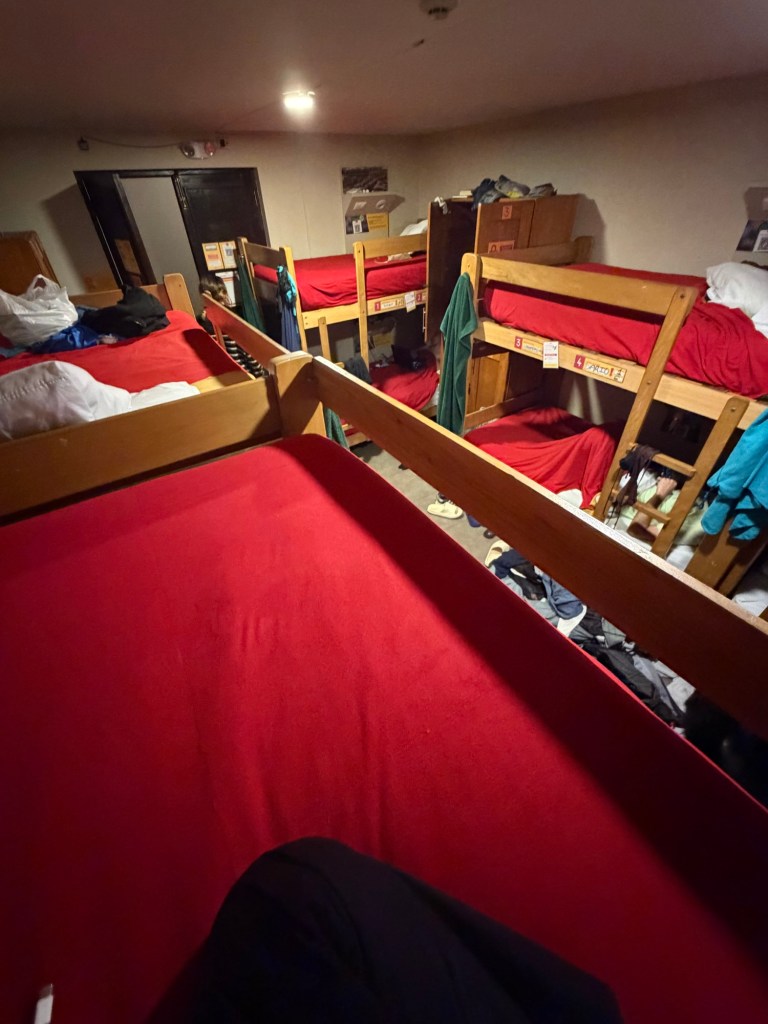
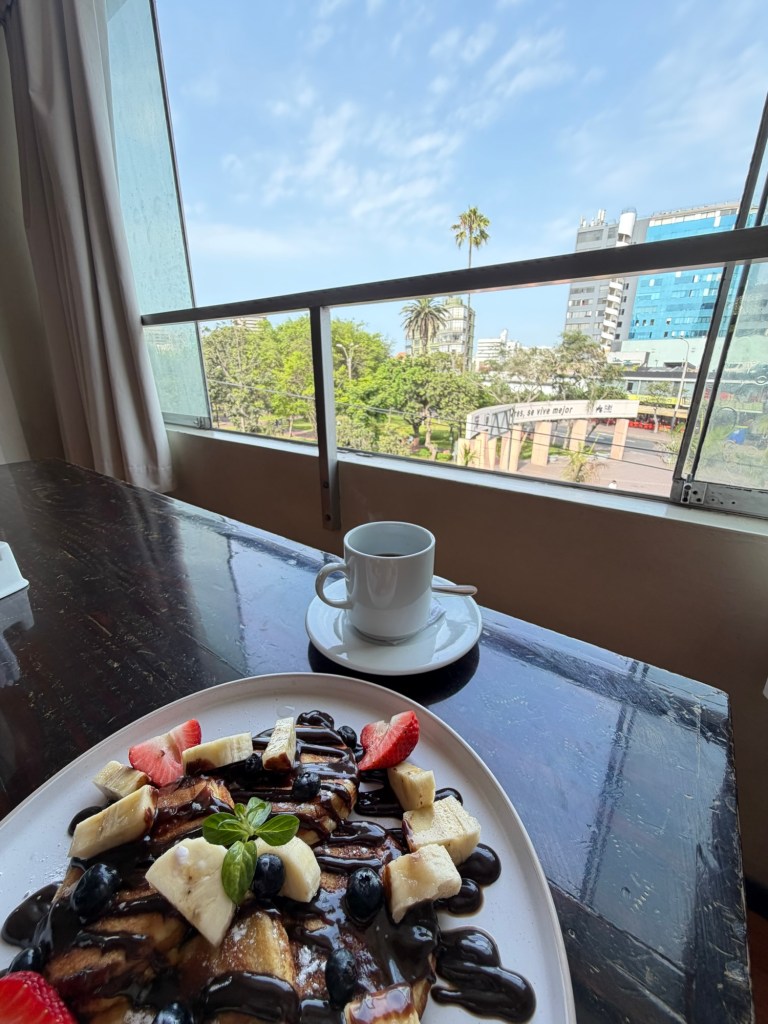
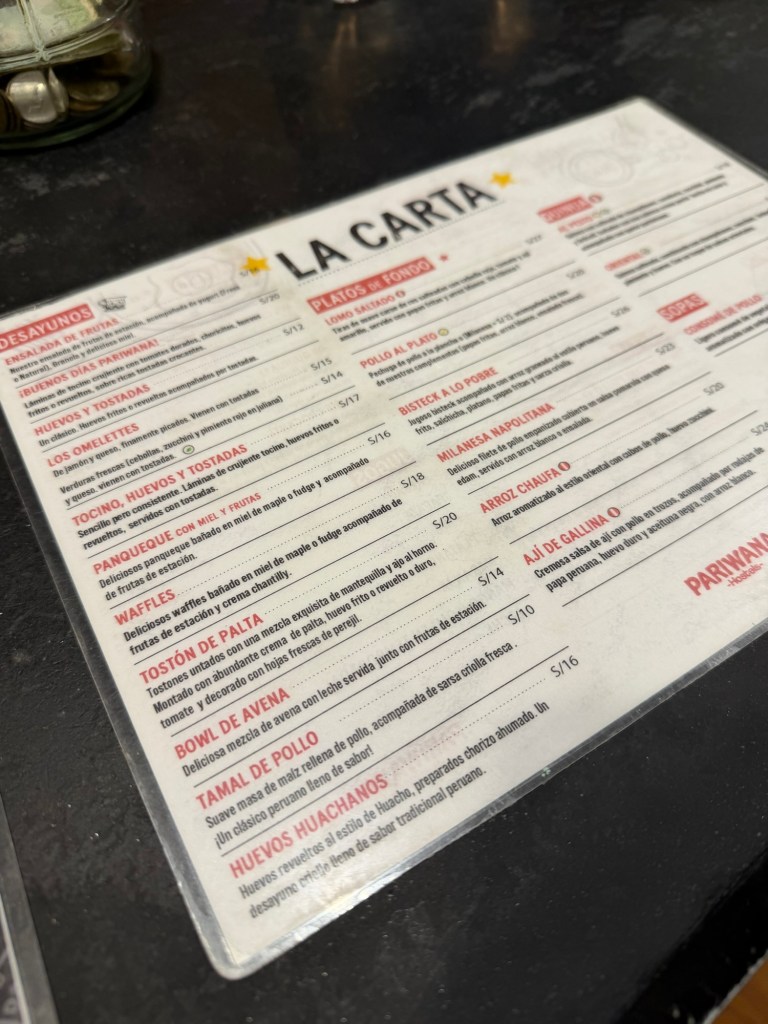
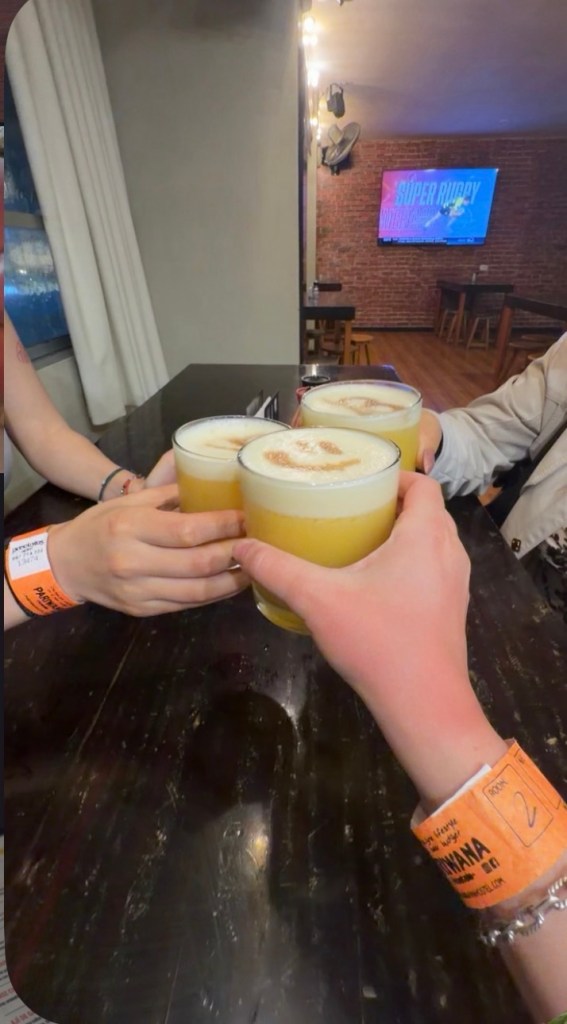
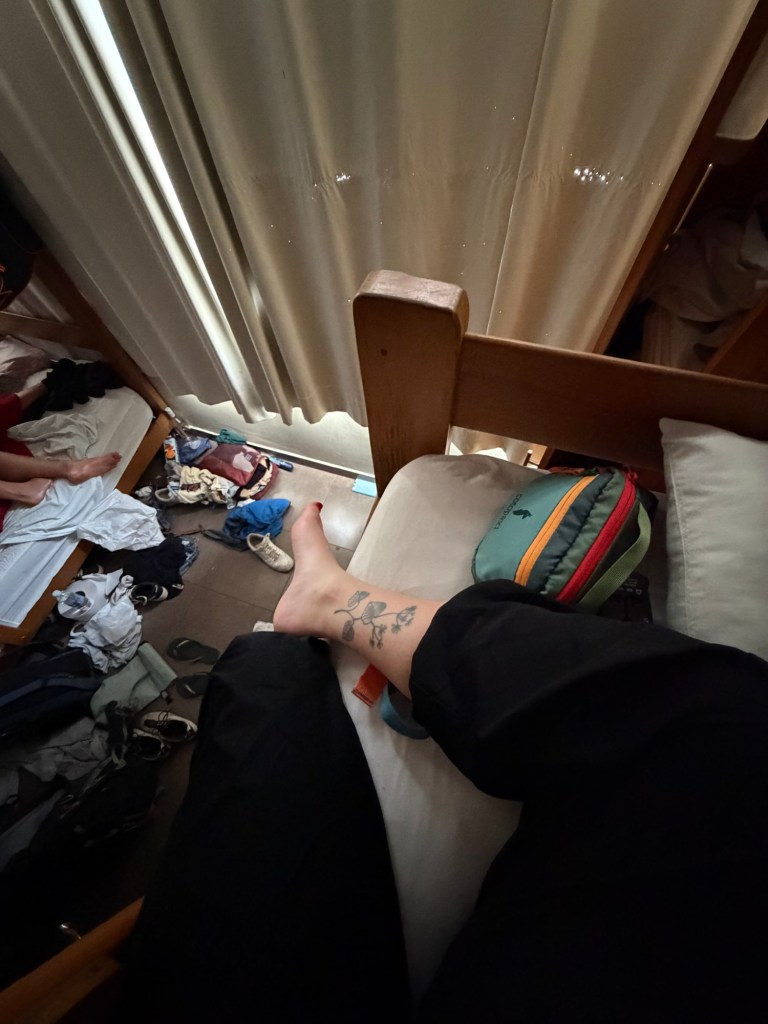
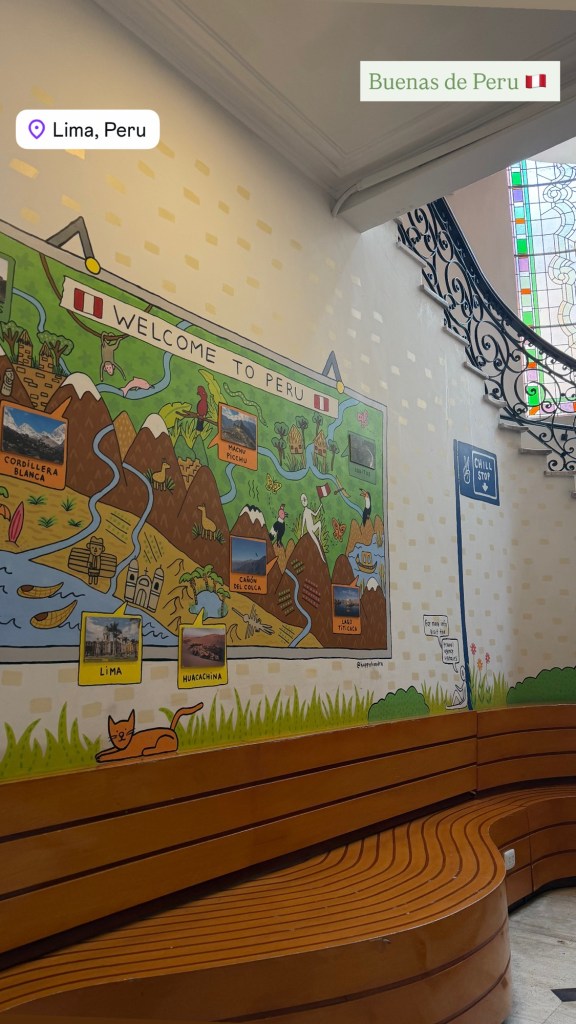
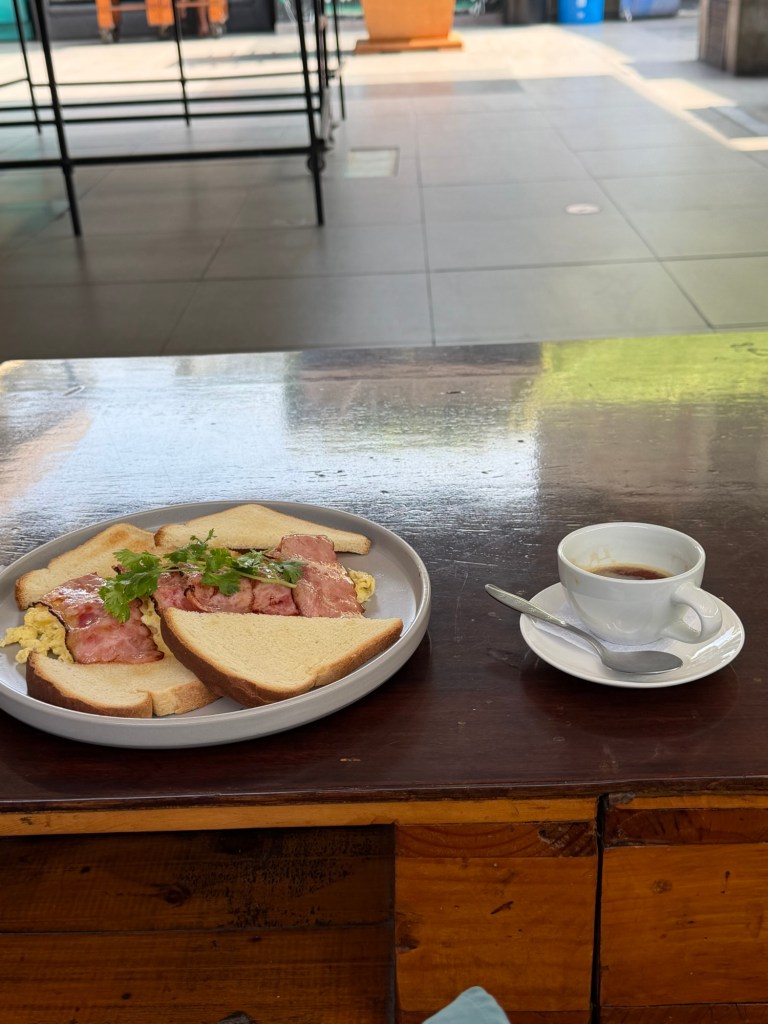
I stayed at Pariwana Hostel Lima, which became my home base. Breakfast was simple, affordable, and a good start before spending the day by the ocean. I’d totally recommend staying here. The hostel has a tour agency and cool social vibe.
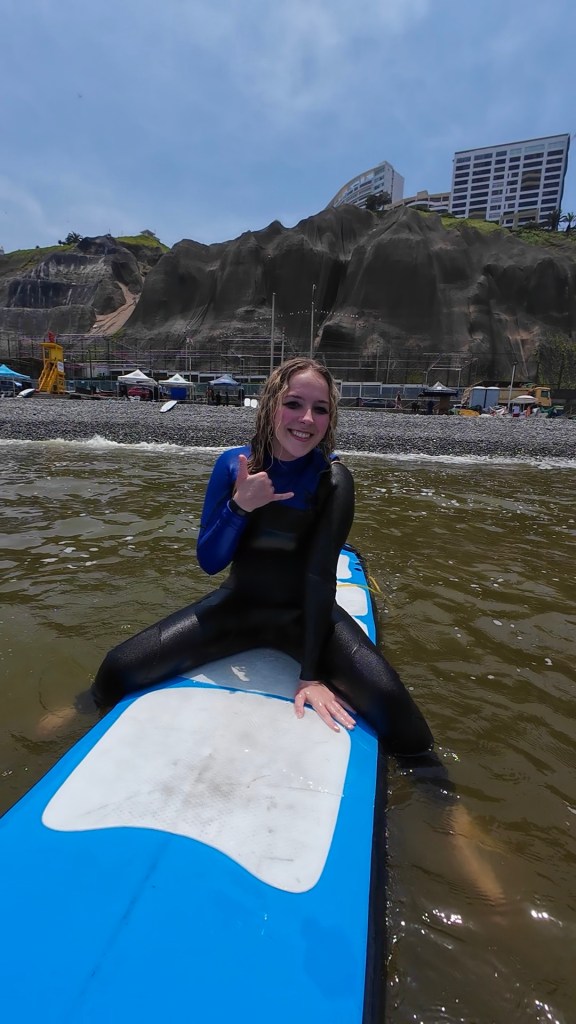
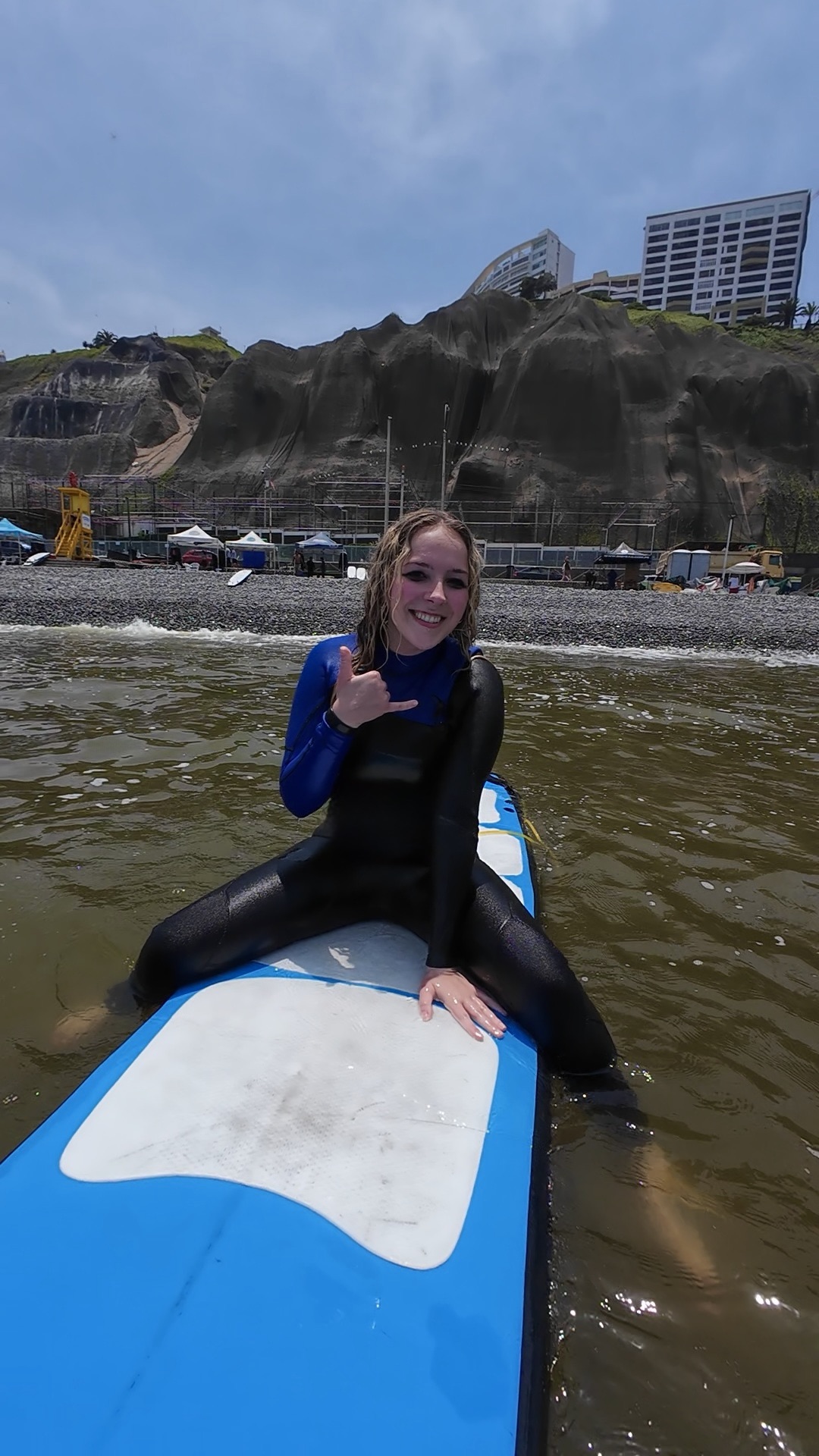
After breakfast, I met a surfing instructor from a nearby hostel and spent three hours in the water. The waves, or olas, rolled in with a steady rhythm. They weren’t aggressive, but they had enough push that when you caught one, you could feel it carry you all the way toward shore. The water was cold, the kind that wakes you up instantly, and the repetition of paddling, falling, and trying again settled into something almost meditative.
The beach itself is made up of smooth stones rather than sand, shifting under your feet as you walk. Getting into the water takes more focus than you expect. I learned that quickly after slipping more than once, bruising my cheek on a rock after a late fall, and narrowly missing a small crab moving between the stones.
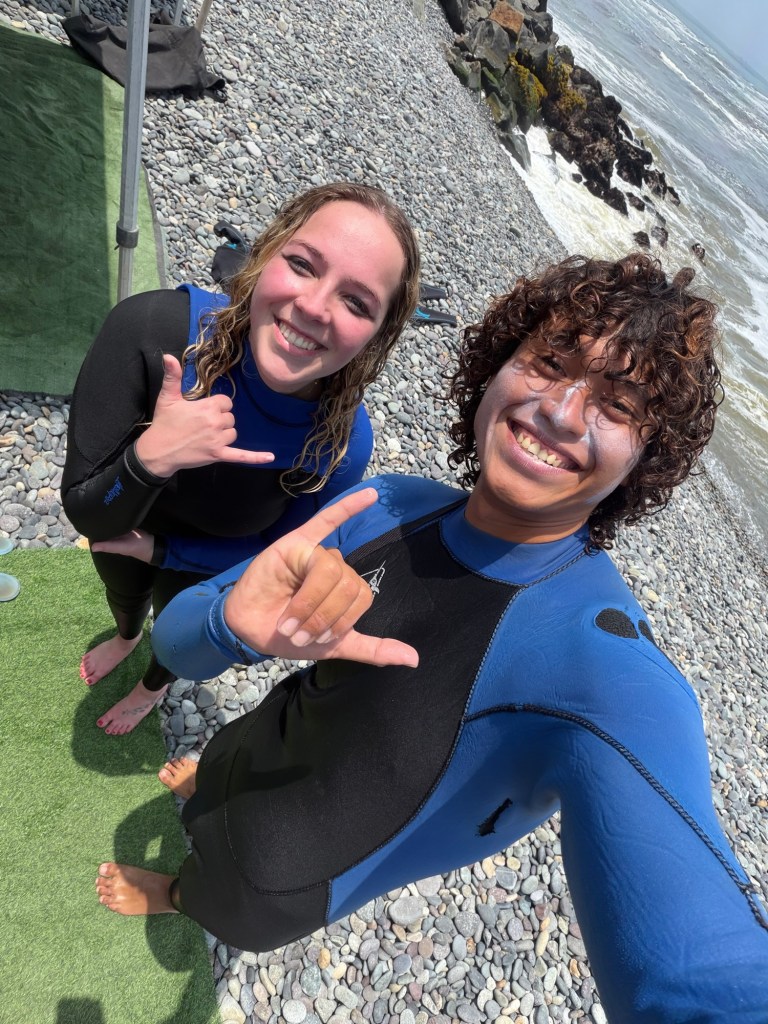
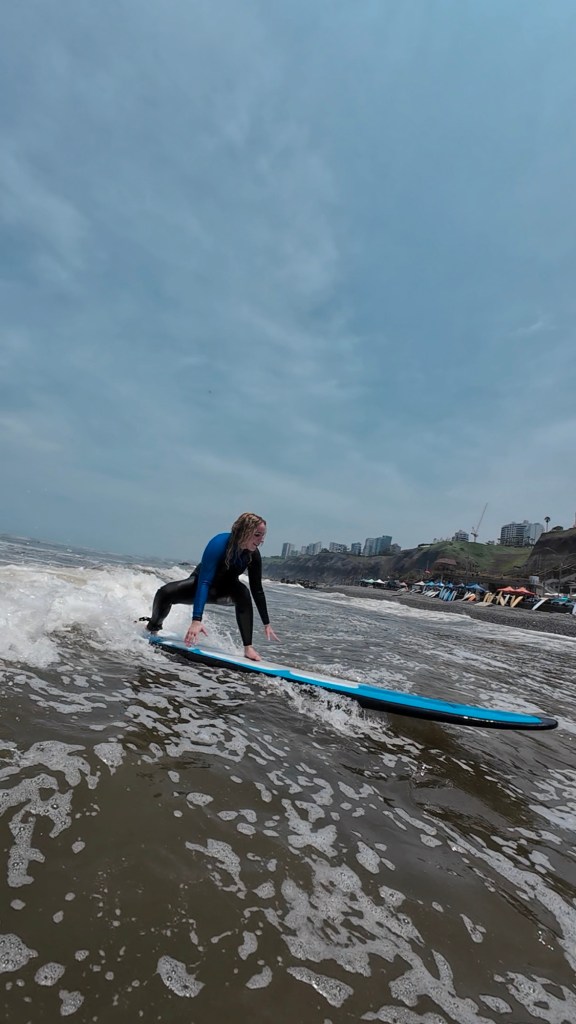
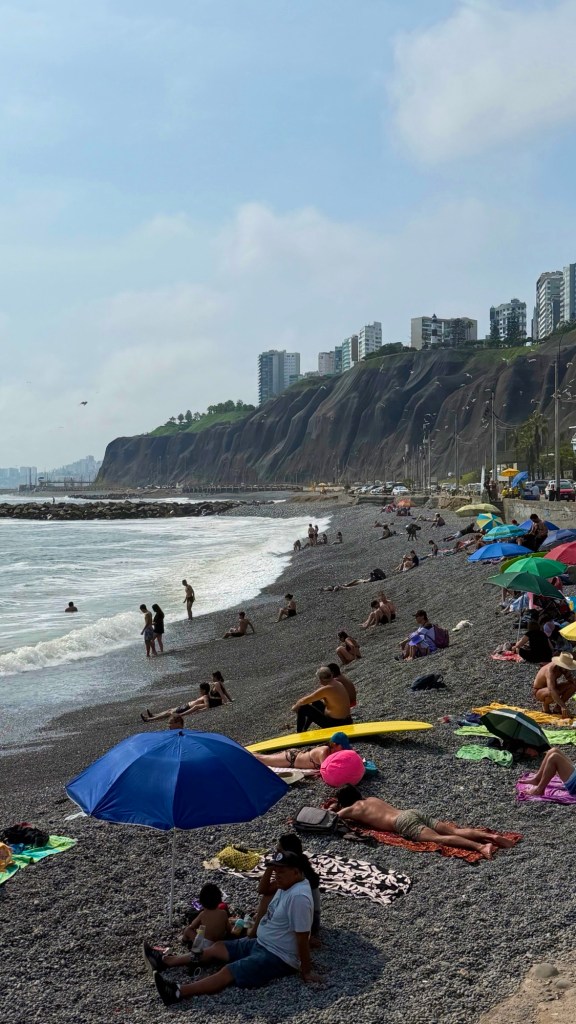
After my lesson with Llama Surf Miraflores, I sat near the shore, still catching my breath, when a group of local surf instructors waved me over to sit under their tent. What started as a quick break turned into hours of conversation. Boards were stacked in the sand, music played softly from someone’s phone, and people came and went between lessons.
The locals took me in and offered a marciano, a creamy fruit-based ice pop sealed in a plastic sleeve. You bite the tip open and squeeze it upward as it melts. Hilariously looks like a condom. It was cold, sweet, and exactly what you want after hours in the sun.
By the end of the afternoon, the sun had taken its toll. The instructors joked that I had “new gloves,” pointing out the contrast between my sunburn and the areas covered by my wetsuit.
I went back to the hostel, took a break, and later joined trivia night on the rooftop. I met another traveler from Philadelphia, and we teamed up for the night. We didn’t win, but it didn’t matter, the energy of the space carried it. The fact I found a girl to say “Go Birds” with was a win in the first place. You’d think after visiting 31 countries I’d meet more people from Philly, but it’s only happened a few times.
The rooftop at Pariwana had a steady rhythm of its own—games going, music in the background, people rotating in and out of conversations. I spent part of the night journaling between rounds of ping pong, watching everything move around me.
Lima made a strong impression. It started with a mistake, but quickly opened into something more grounded, memorable conversations, time in the water, and a place that felt easy to settle into. It set the tone for everything that followed.
From Lima, I continued south to Ica and Huacachina. I stayed at Wild Rover, a hostel that was recommended to me months earlier while I was in Secret Garden in Quito, talking with other travelers before my flight home. It felt random and superfluous, but it ended up shaping this part of the trip 🙂
Getting there was relatively straightforward, even if it felt a bit out of the way. Buses from Lima to Ica run frequently throughout the day and cost around 40 soles (around $20 USD). I booked through a company recommended by the team at Pariwana—Cruz del Sur. Multiple bus stations are scattered around Lima, but mine was only about a $2 Uber ride from the hostel. The ride itself takes around four to five hours. Basically every location on this trip was a pain in the ass to get to. Ica, Machu Picchu, Uyuni, but it was worth it. I recently read a book titled “Call You When I Land” where Nikki Vargas talks about having to “earn” experiences to appreciate them fully. These three I definitely had to earn, but were 100% worth the effort.
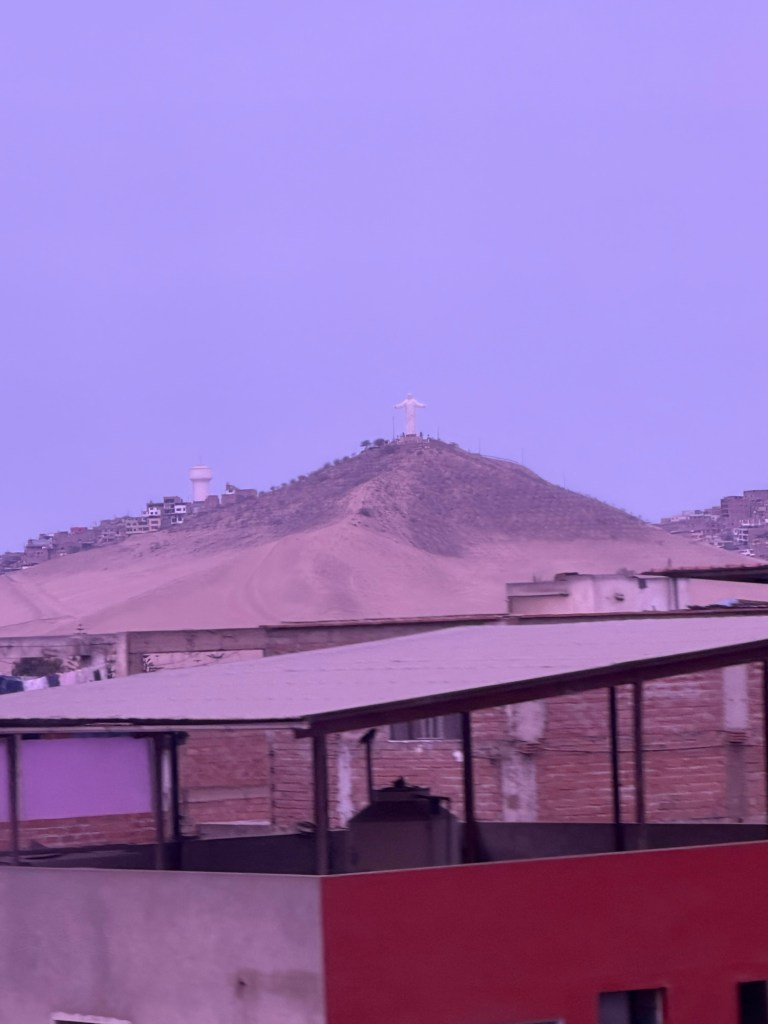
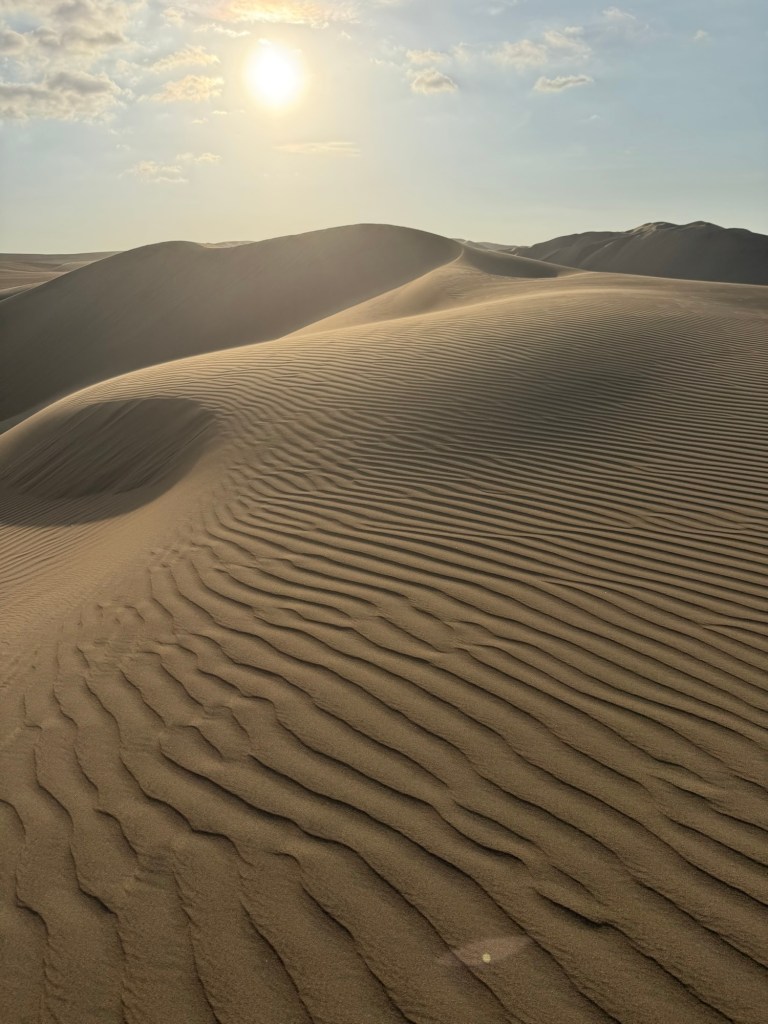
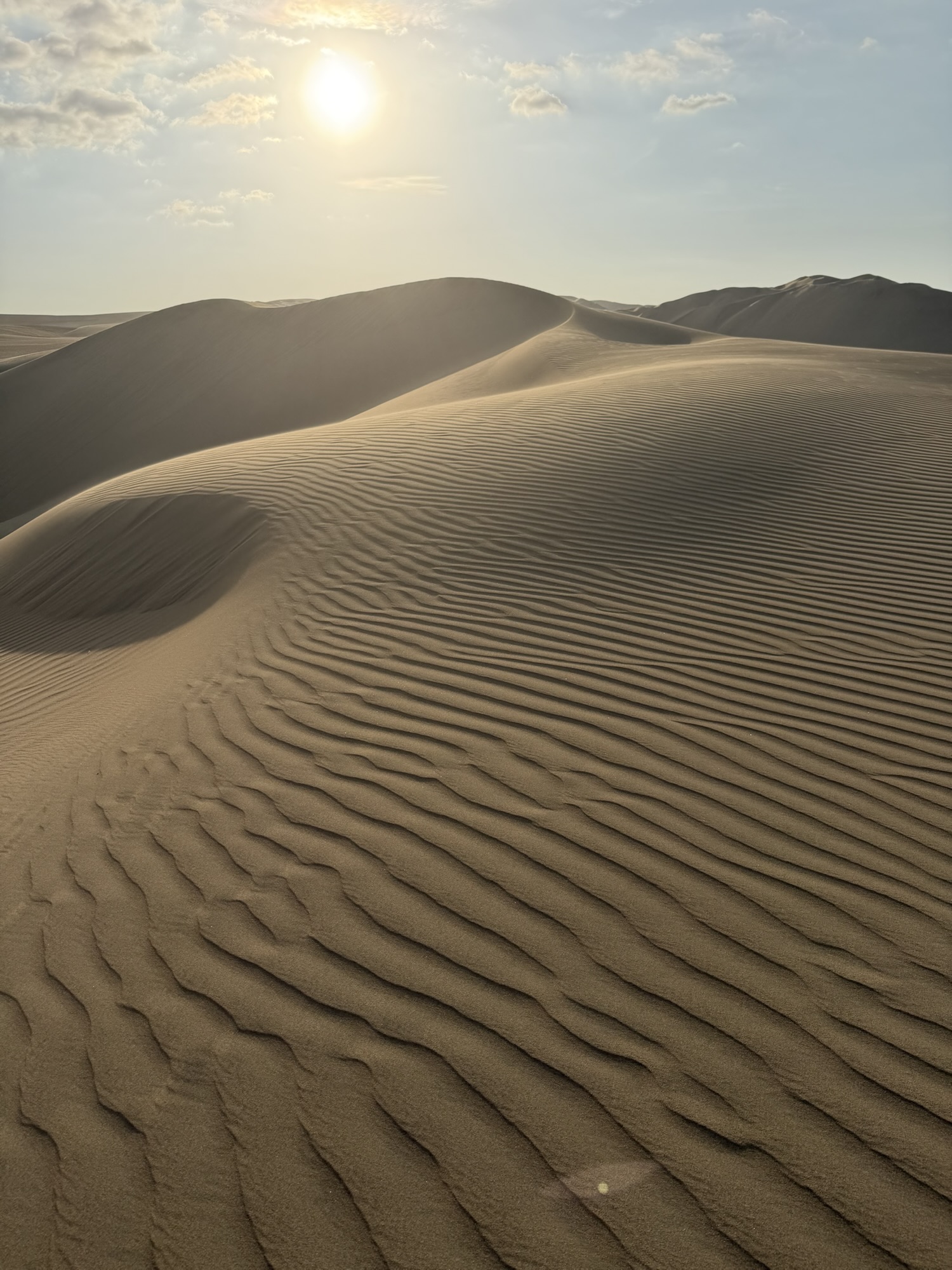
Ica initially feels like a typical city, but about 20 minutes away is Huacachina. The shift in landscape is immediate. One moment you are in a city, and the next you are surrounded by towering sand dunes. Huacachina is built around a small oasis, and the entire town is compact enough to walk across in minutes.
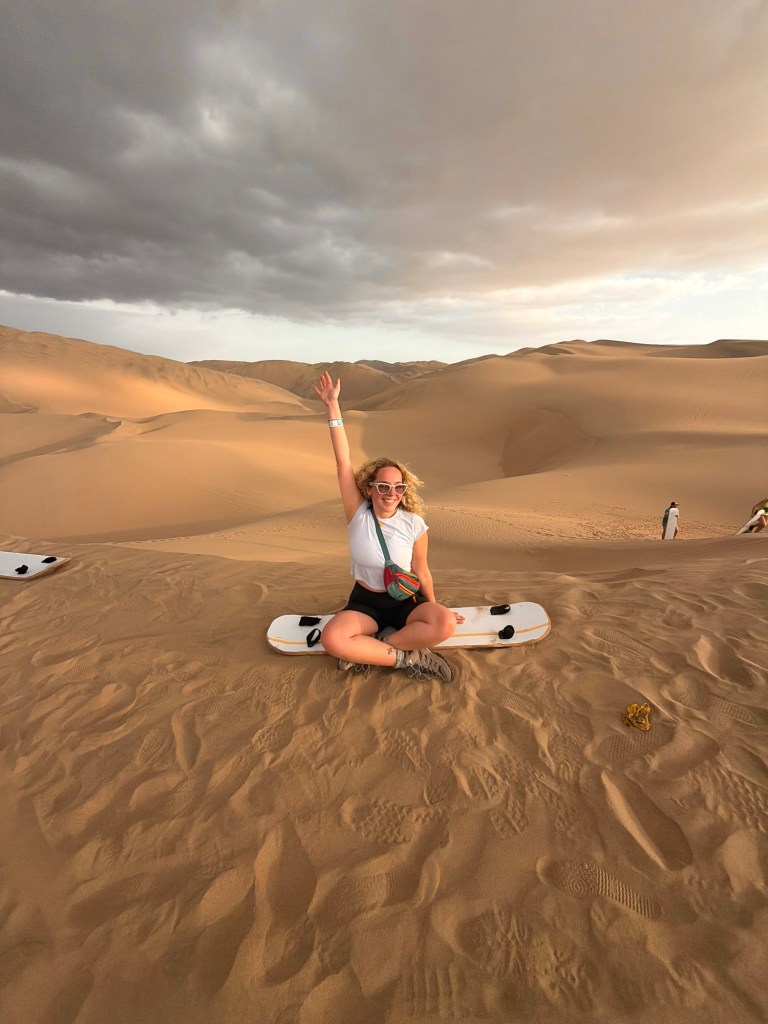
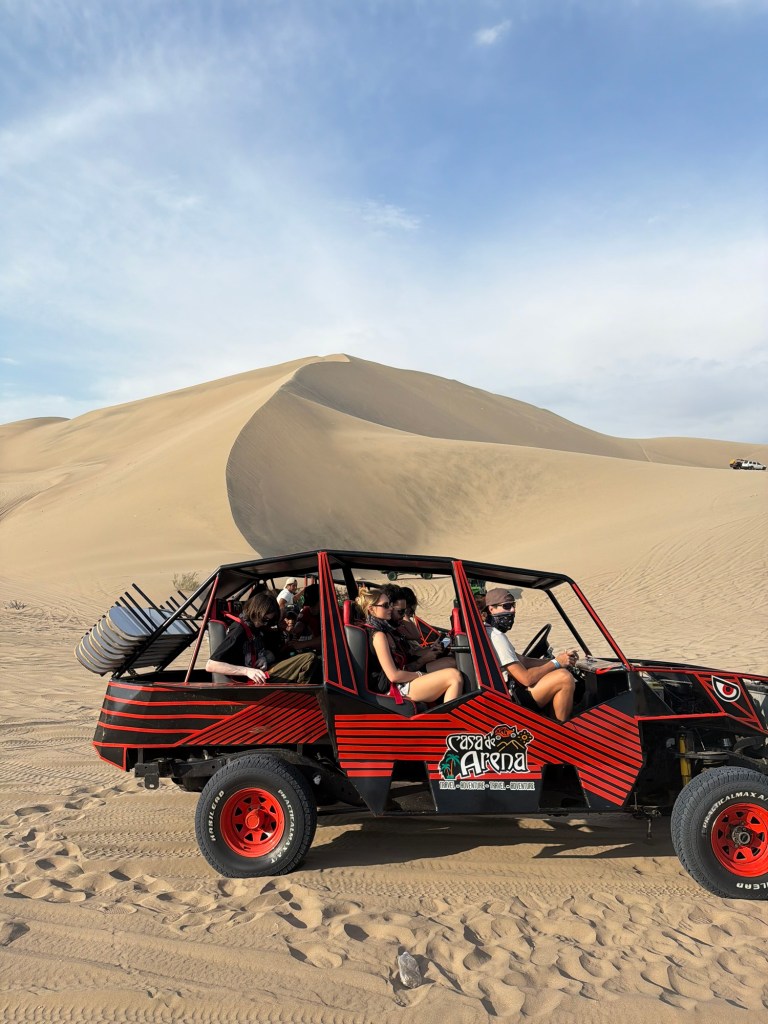
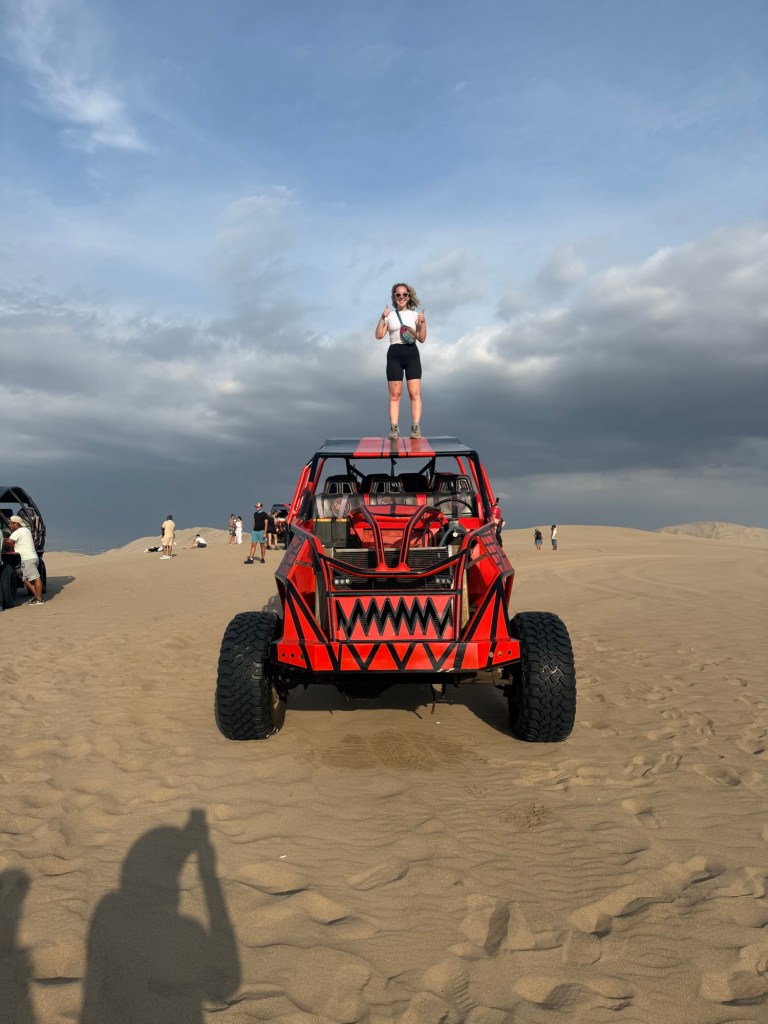
Most travelers come for the dunes. Sandboarding, sand skiing, and dune buggy rides are the main draw. I booked my tour the day before through Wild Rover. The buggy ride was far more intense than I expected lmao—the driver moved fast, cutting sharply across the dunes and dropping down steep slopes without much warning.
Wild Rover itself was one of the most social hostels I stayed in. I met travelers from Australia, Argentina, and the UK within the first day. I became friends with someone from Argentina who was also on his first solo trip.
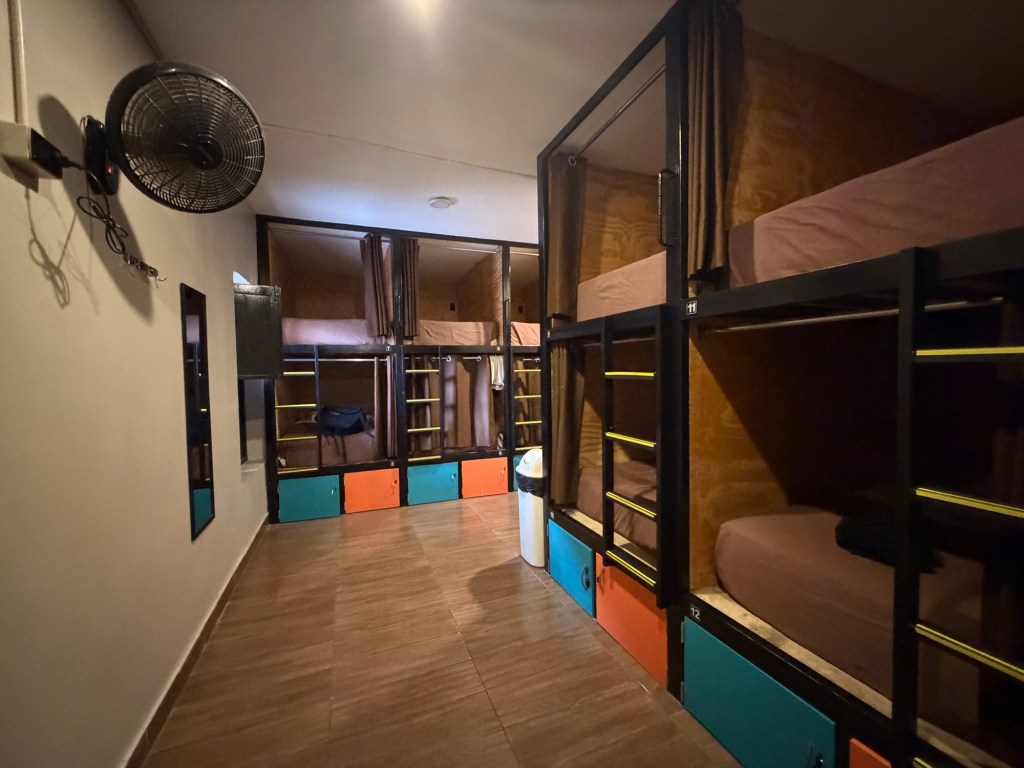
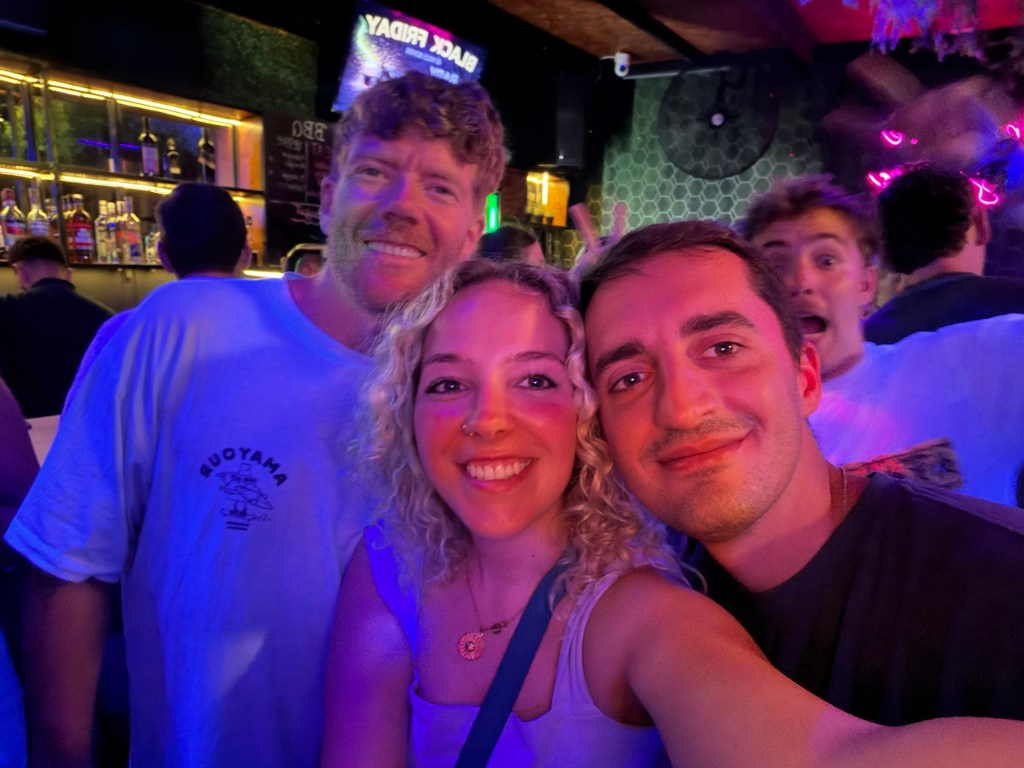
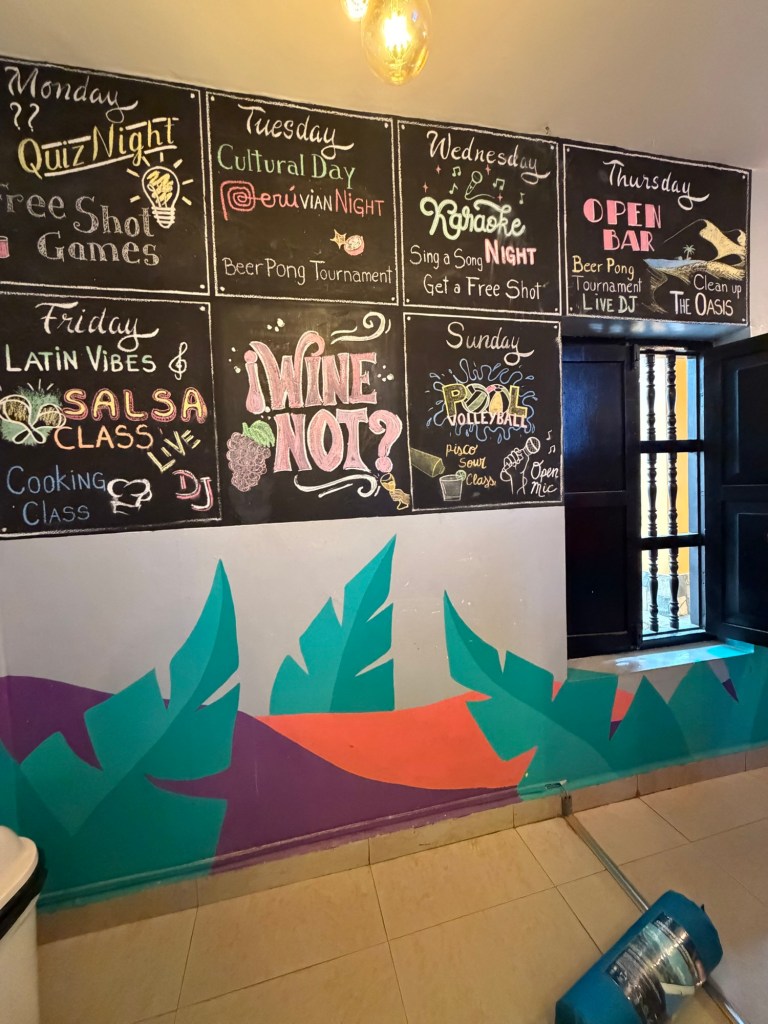
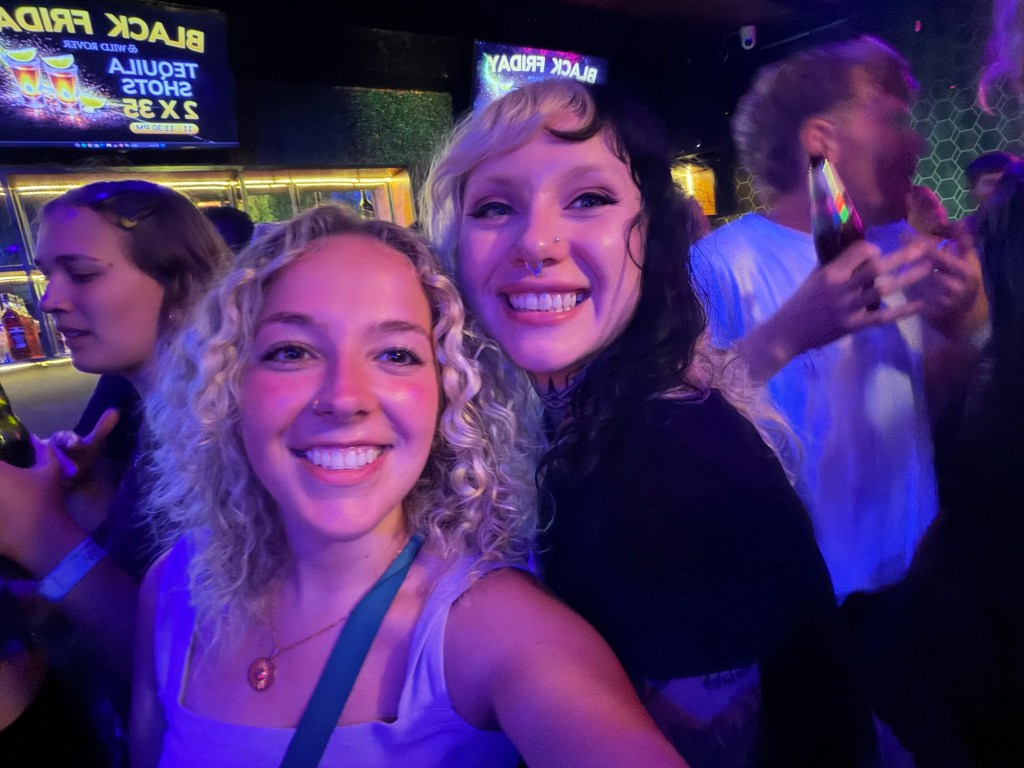
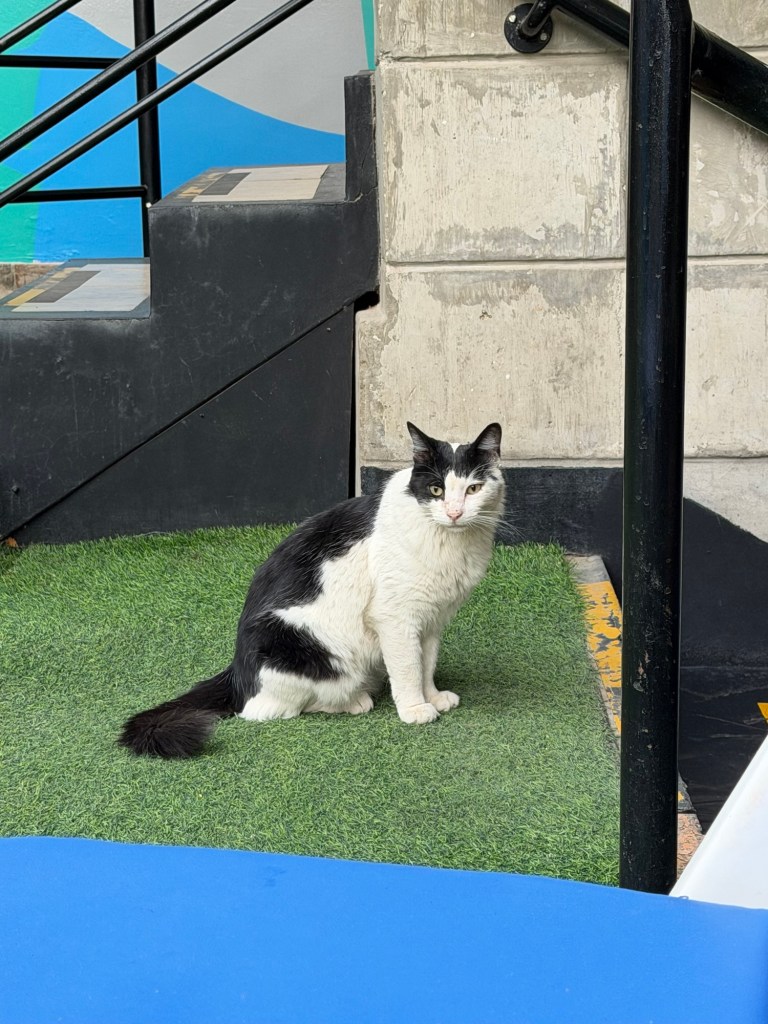
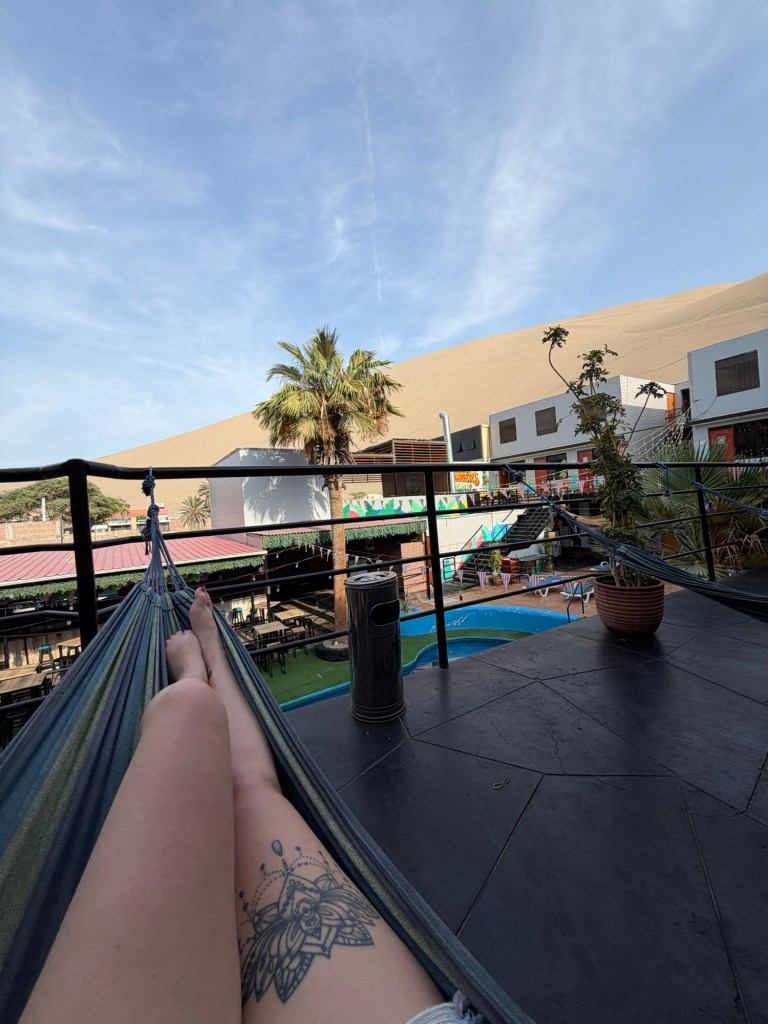
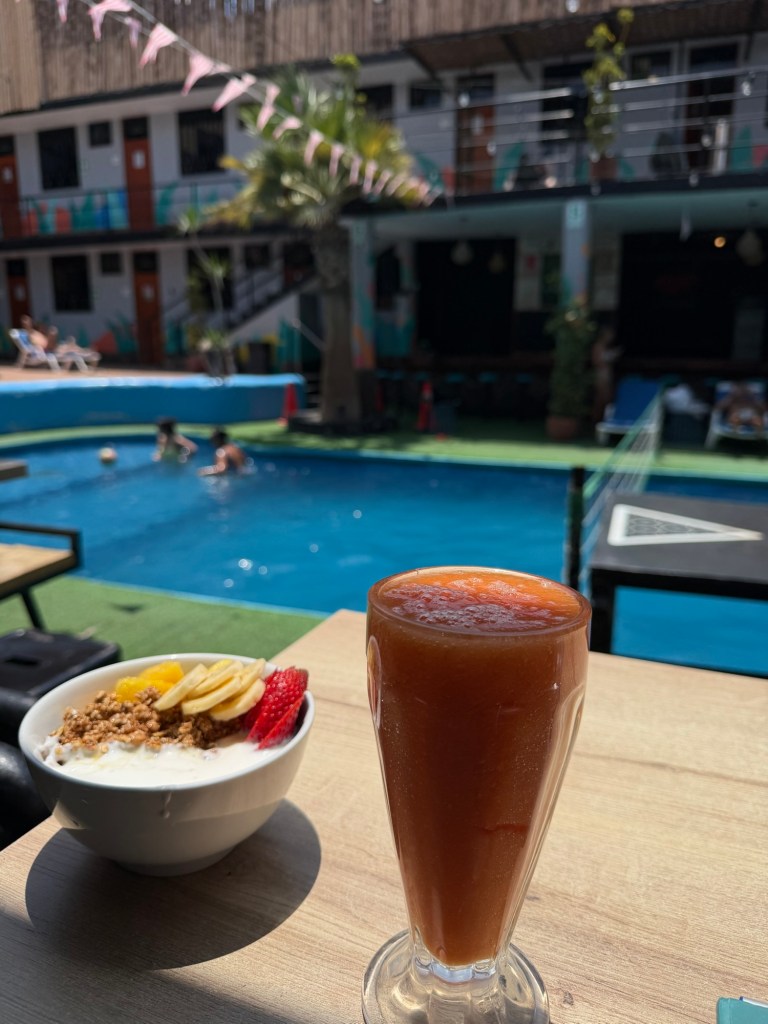
The hostel has a pool where travelers and locals gather throughout the day, usually playing volleyball, with a clear view of the dunes rising behind it. At night, the bar becomes a central meeting point for backpackers. One night, I ran into Alli, someone I had met in Lima! Even the guy who had been in the bunk below me at my previous hostel showed up. I joked that he was stalking me. My backpack straps got stuck in his locker, and of course, he came in as it looked like I was trying to break into his. That was a mix of both great timing and awkwardness lol
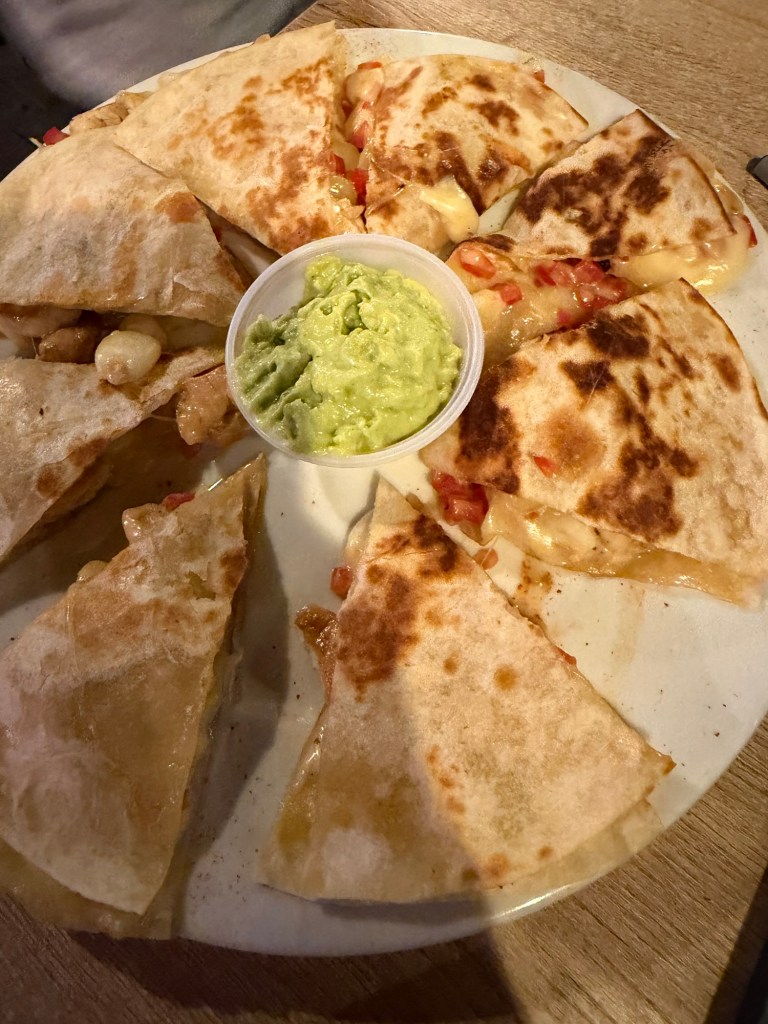
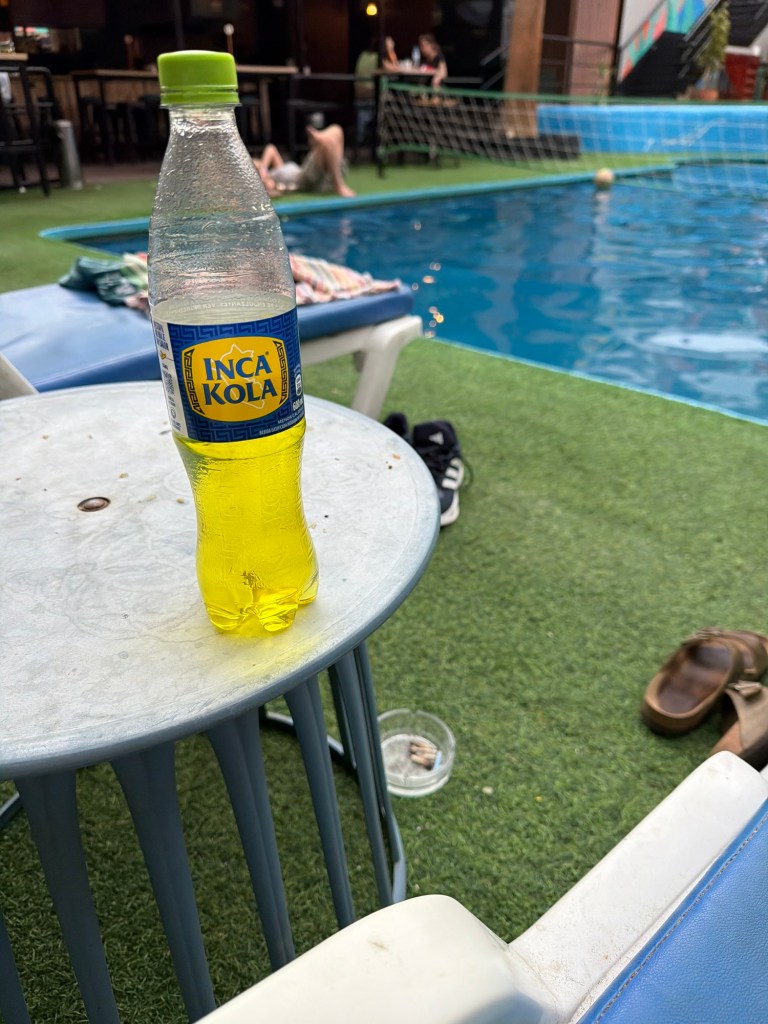
The food at the hostel was solid, and I had my first Inca Cola since Ecuador. The setting reminded me slightly of Aswan, although the dunes here are smoother and completely surround the town.
For the dune tour, it seemed like several groups combined, possibly including travelers from Peru Hop—a bus network designed for backpackers that allows flexible stops between destinations. It seemed like a convenient option for people traveling on a looser schedule.
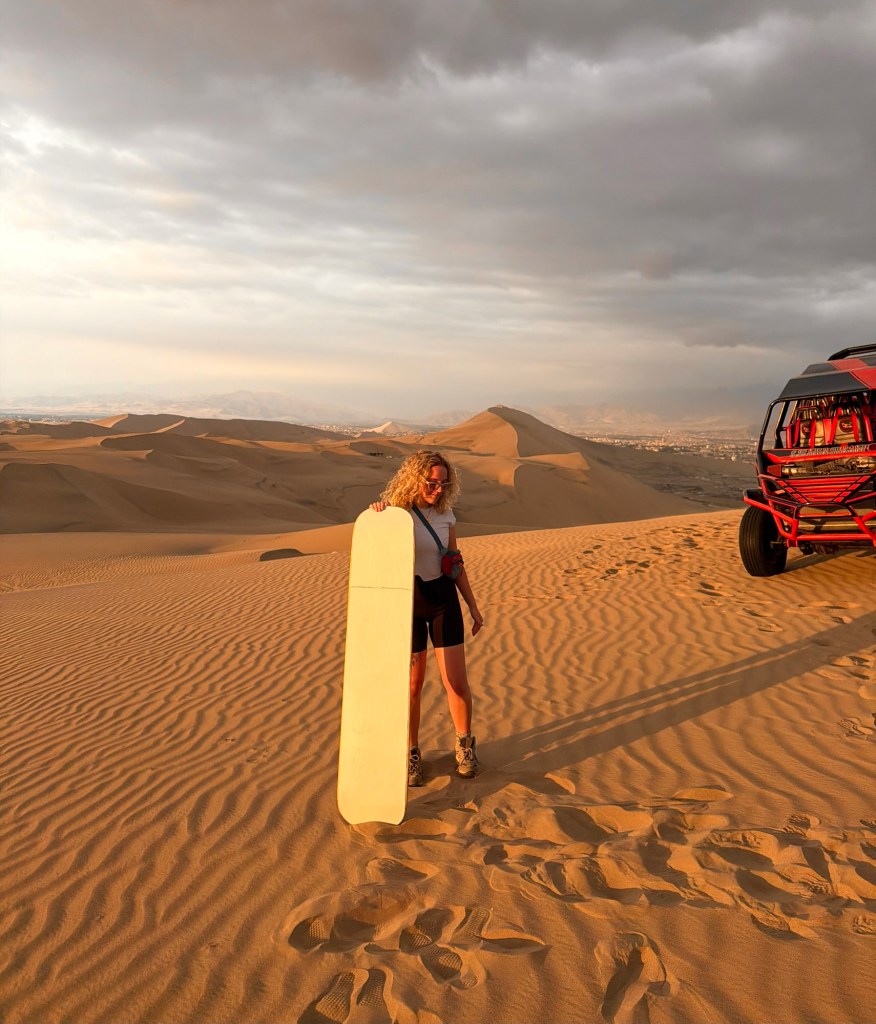
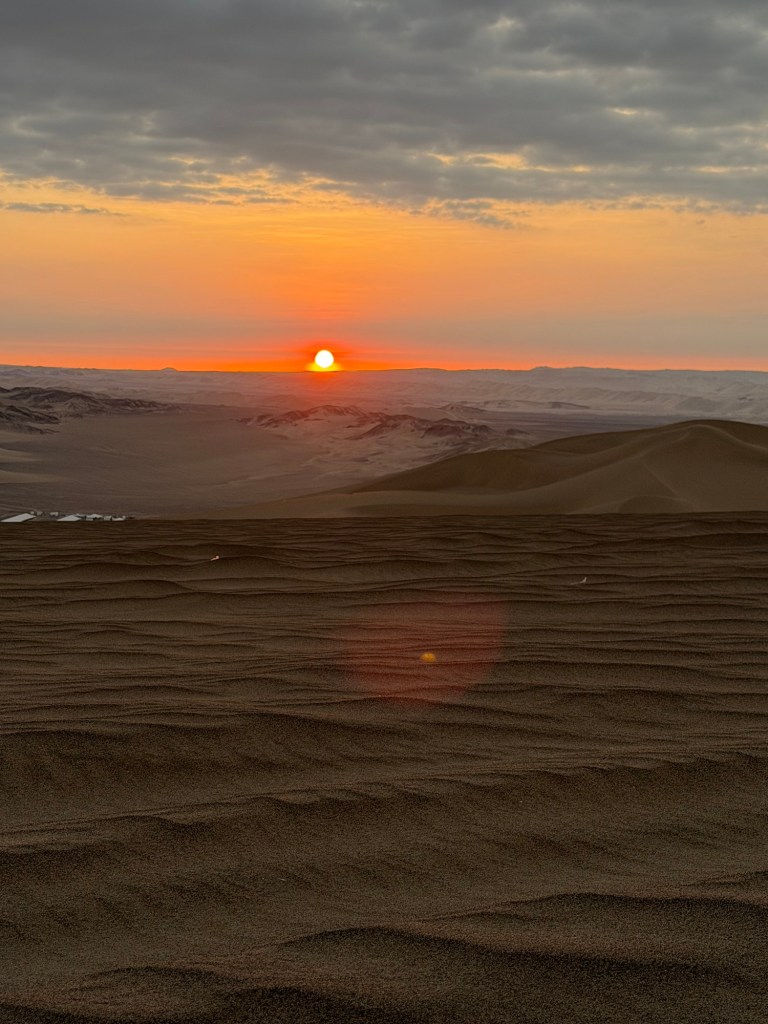
We spent the evening moving through the dunes as the sun began to set, stopping at different points to sandboard down increasingly steep slopes. By the last one, I was digging my feet deep into the sand just to slow myself down. I used my Meta glasses to capture parts of the experience, which I thought was some neat footage! The glasses were recommended to me by a traveler I met in Rome, and I knew I had to get them for myself.
The group made the experience even better, and the sunset over the dunes was one of the best I saw on the trip:)
Even at night, the heat was intense. By the end of my stay, I was ready to move on—especially since my bed was positioned just far enough from the fan to miss any airflow entirely. I felt like two days in Huacachina was the perfect time.
There was one more moment from Huacachina that stayed with me during all of this. On my last night there, my book, Little Bird, was officially published! Sitting in that hostel, surrounded by travelers from different parts of the world, it didn’t feel real that I could now call myself an author.
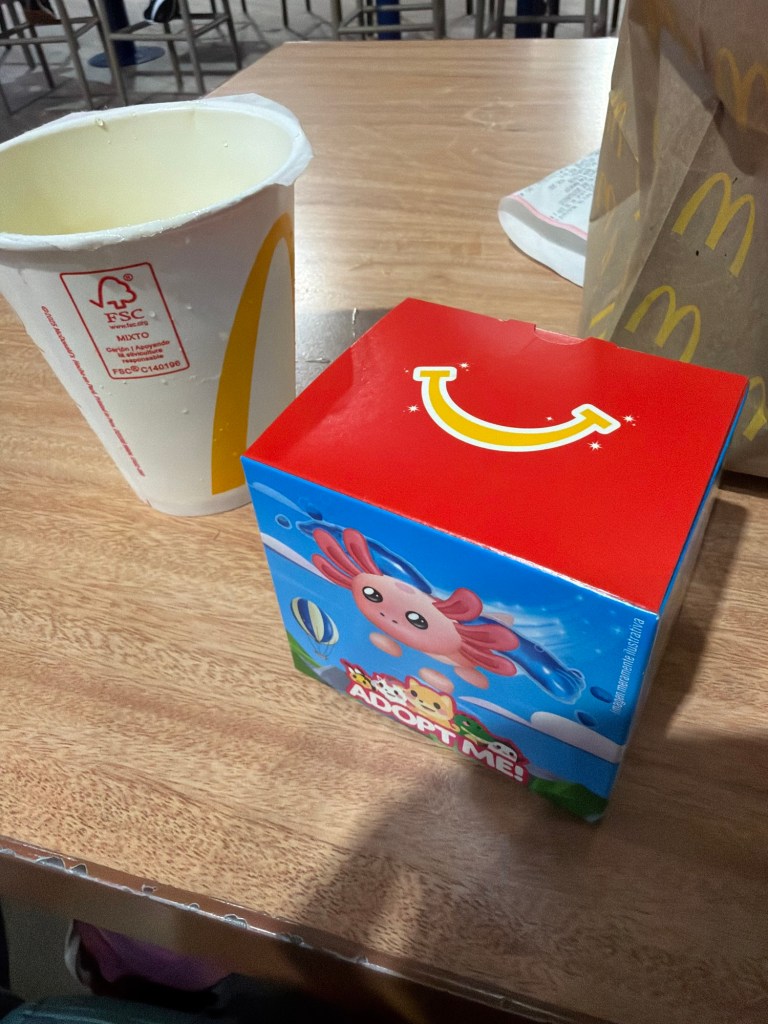
From Huacachina, I took a bus back to Lima to catch a night flight to Cusco. The flight with Sky Airline was simple and affordable, around $70, and well worth it to avoid an overnight bus. I try my best to stop at a McDonalds in every country I go to, and I grabbed a Fresca Mcflurry (so banging) and a kids meal to get one of the cool toys I collect from said countries lol
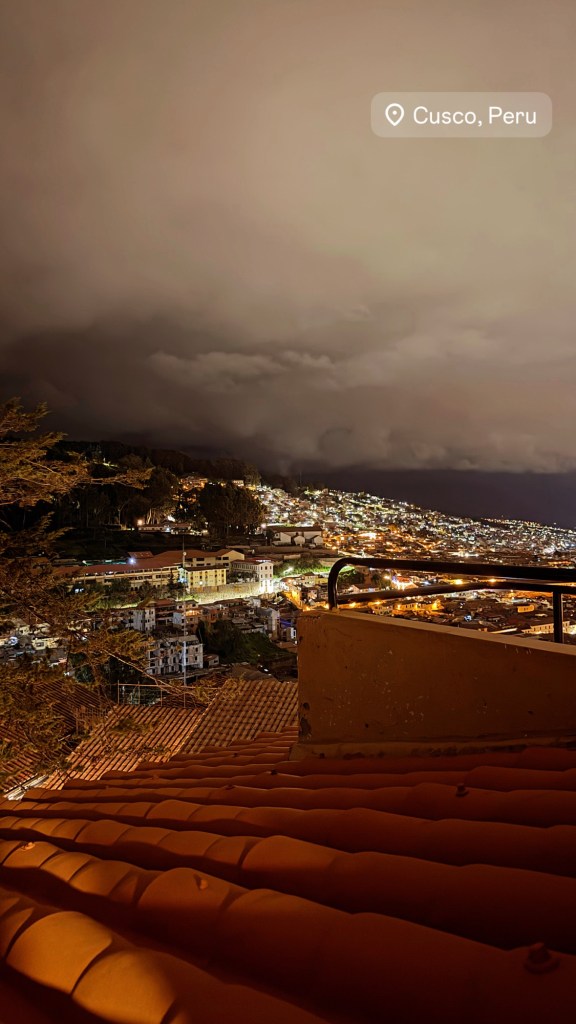
When I arrived in Cusco, I got my actual Uber this time and headed to Wild Rover Cusco. The hostel was massive compared to the others I had stayed in. It was social and well set up, but had a more relaxed atmosphere than Huacachina. The temperature shift was noticeable immediately—Cusco sat around 60 degrees, and the cooler air was a change from the desert heat.
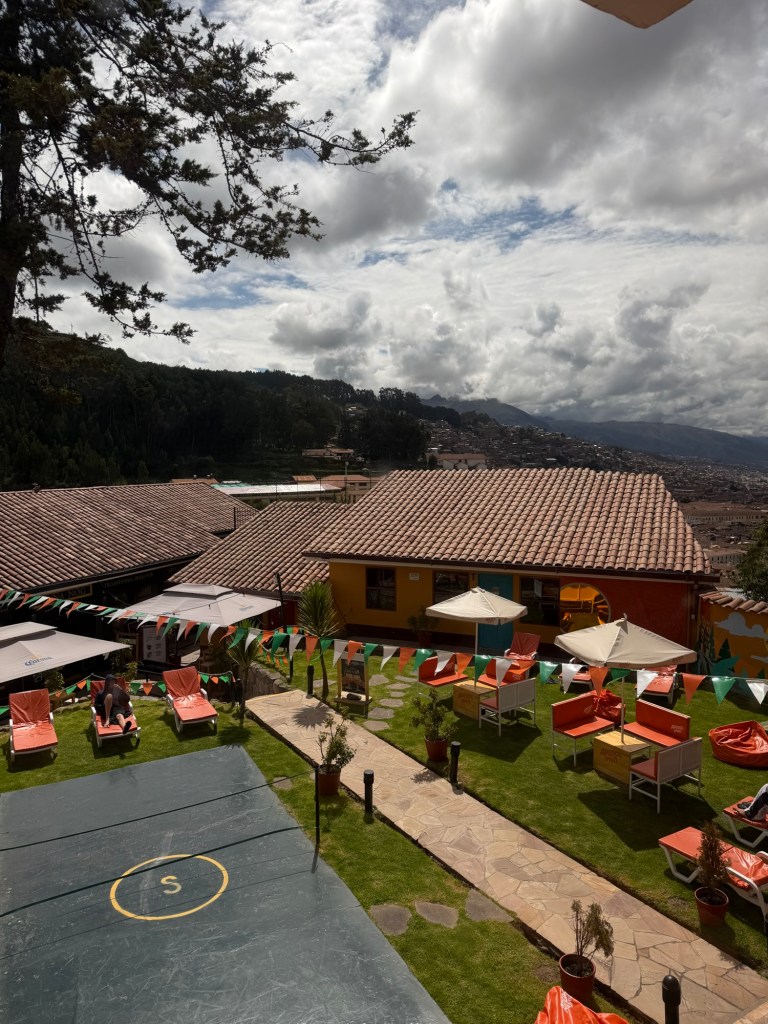
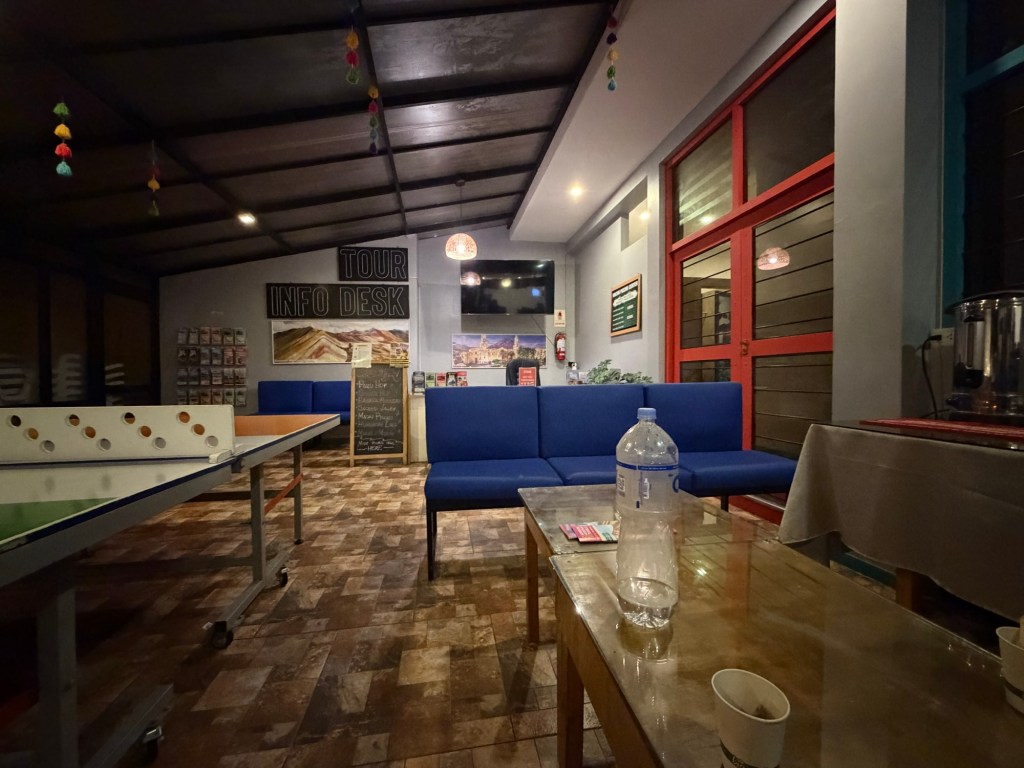
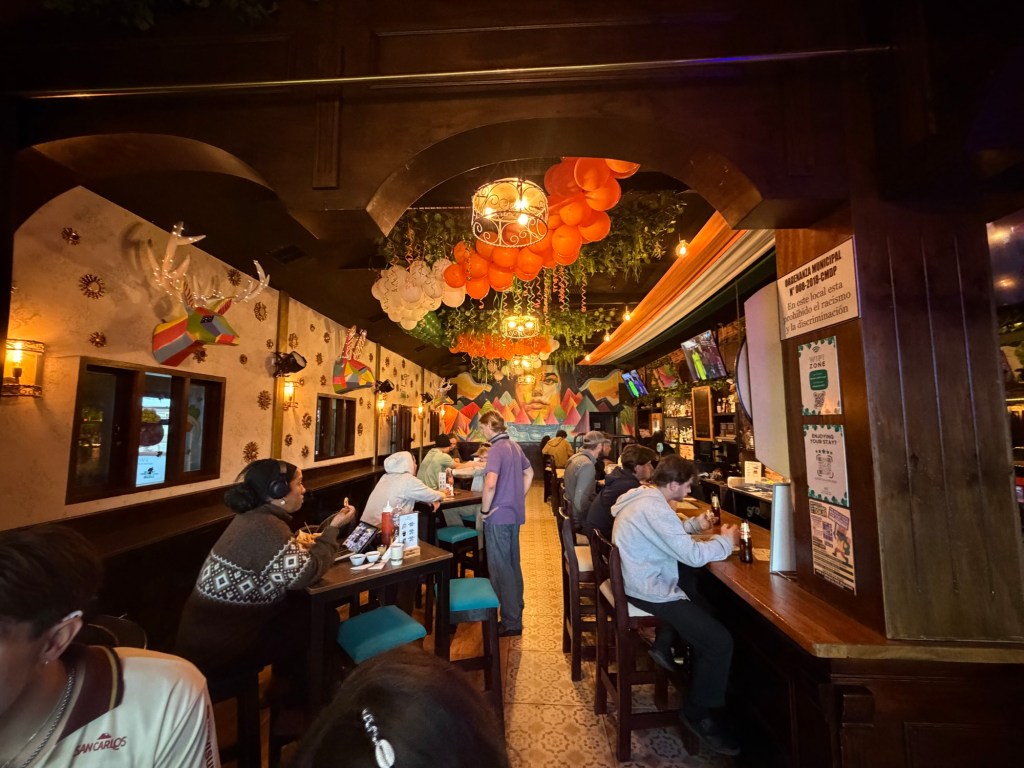
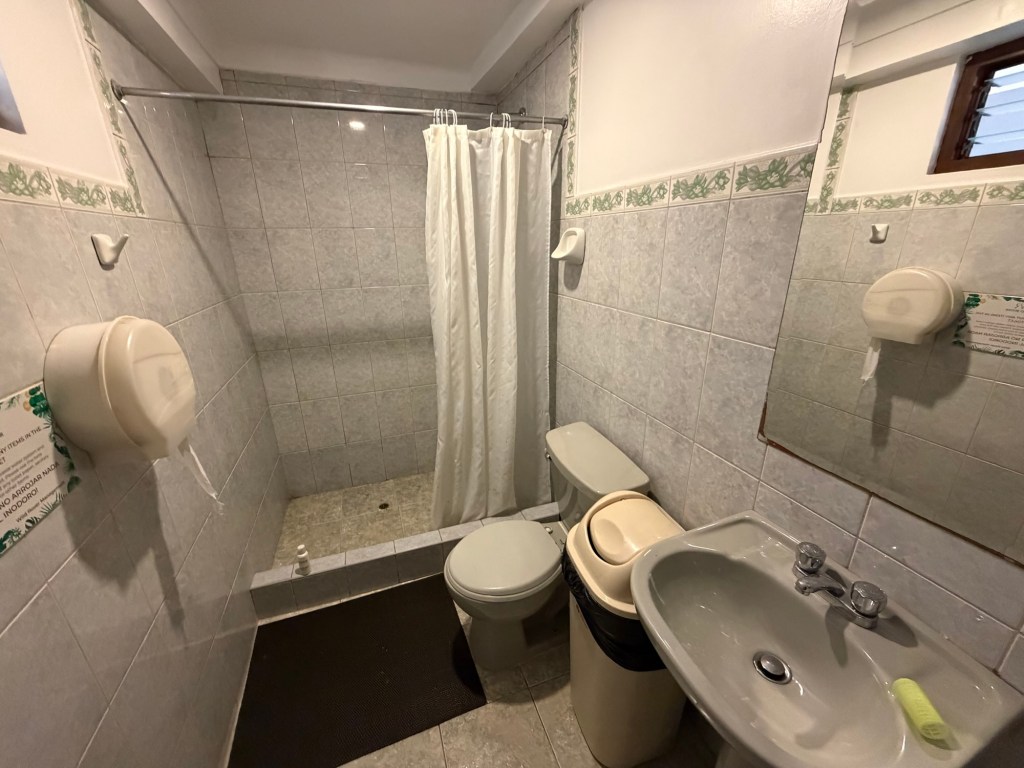
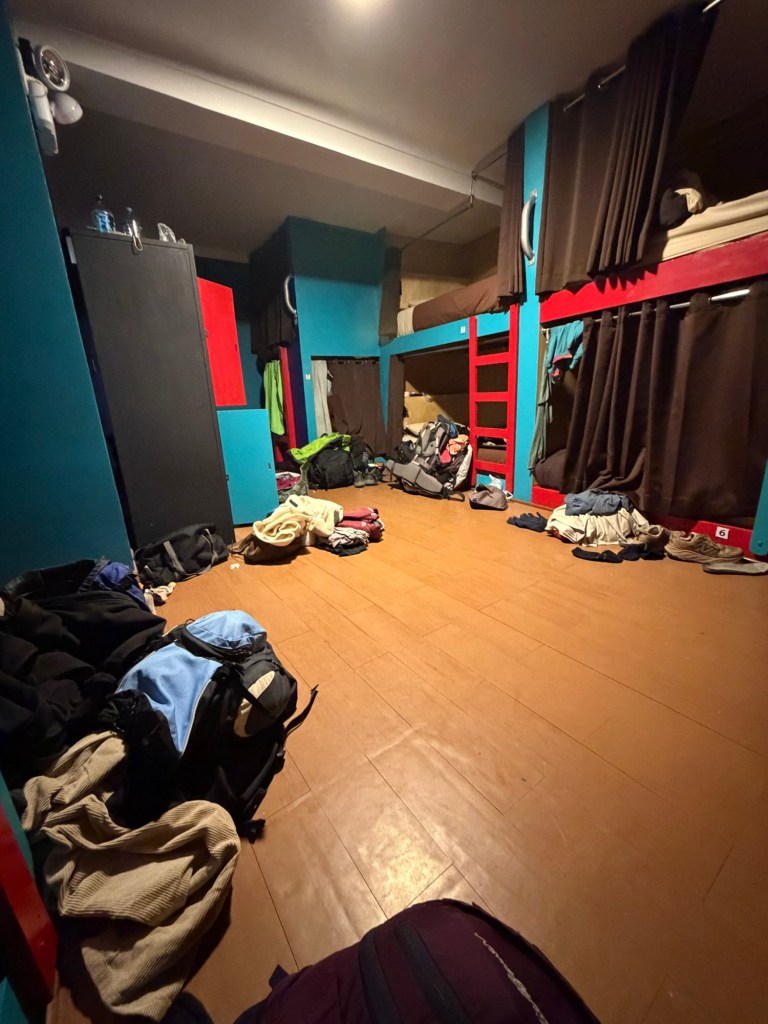
The altitude didn’t hit me right away. It was the next day, walking uphill toward the security gate, that I felt it. I was more winded than I would be after a run, which caught me off guard.
The rooms were standard for a hostel, comfortable enough, with the familiar lingering backpacker smell. I closed my curtain, took a shower, and got some rest ahead of an early wake-up for Machu Picchu.
I had originally wanted to do the Salkantay Trek, a multi-day hike that follows routes similar to those once used by the Inca. However, with limited time and plans to continue into Bolivia, I opted for a one-day tour instead.
I booked through GetYourGuide, and at $355, it was the most expensive tour I’ve taken. While it felt overpriced, it was an extremely full day. The itinerary included an early morning van ride for several hours, followed by a two-hour train journey to Aguas Calientes, and then a bus up to Machu Picchu.
The journey itself had its moments. On the way to the train station, our van tire popped—loudly. Not subtle, not questionable. It was immediate. We had to wait for a replacement van, which delayed things slightly. I grabbed an empanada for breakfast before boarding the train, which turned out to be one of the more scenic parts of the day. The route follows the river through steep green valleys, and the views were consistently impressive.
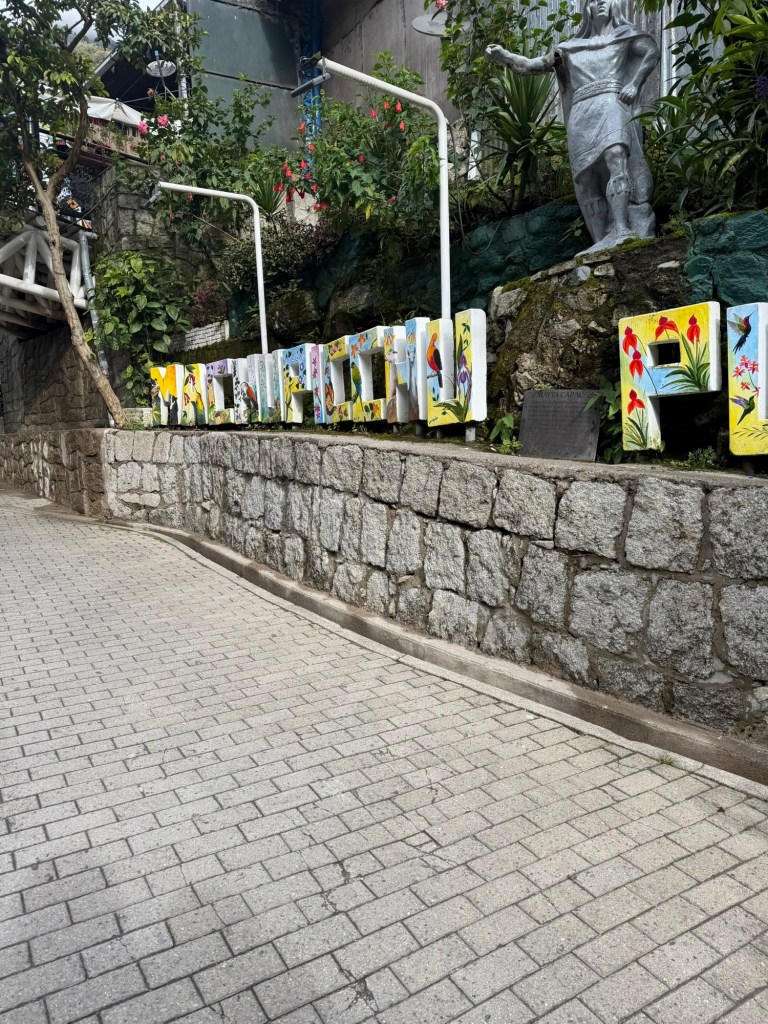
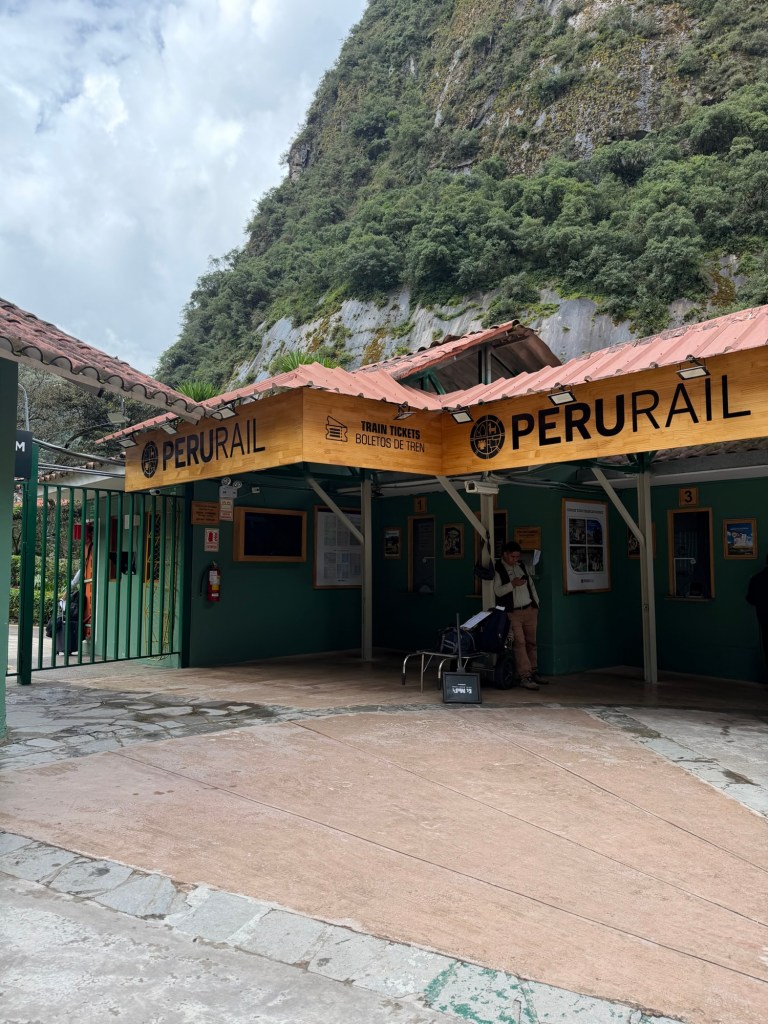
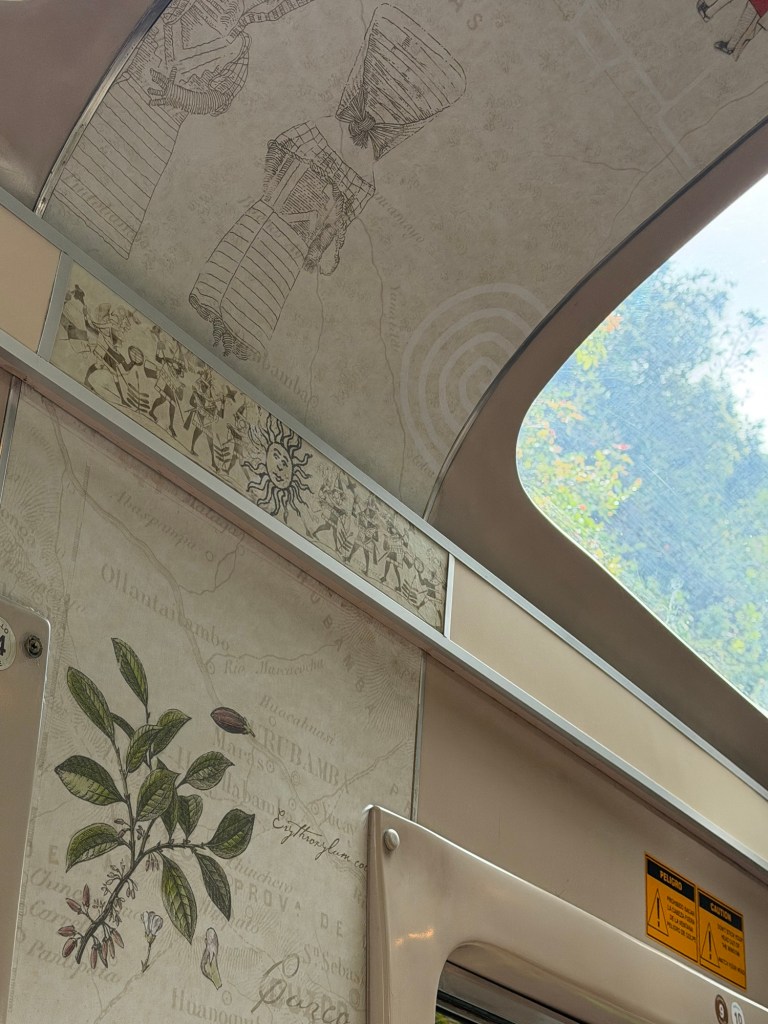
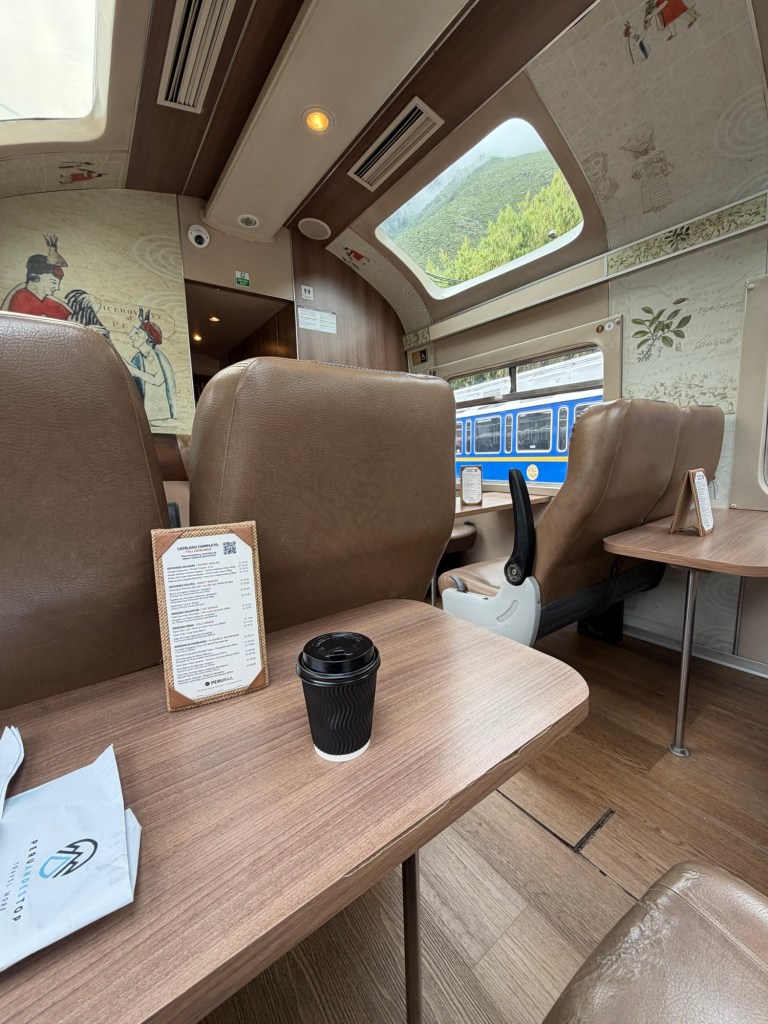
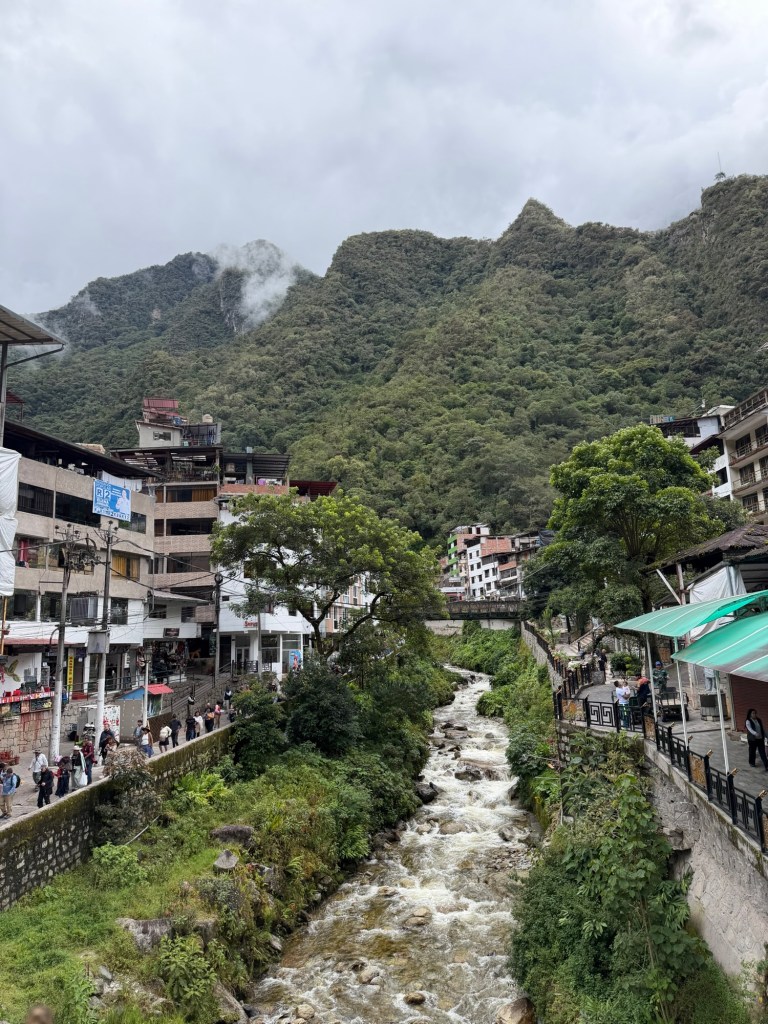
Once in Aguas Calientes, we joined the long line for the bus up to Machu Picchu. This is where things became a bit frustrating. Out of the group, only one other traveler, Nicoletta, and I were told we had to wait about an hour and a half for a later entrance time. It wasn’t clearly explained, and our guide was late meeting us. For the price of the tour, it felt disorganized and could have been handled better. That said, Nicoletta and I ended up spending the rest of our time in Cusco together, so it worked out in an unexpected way.
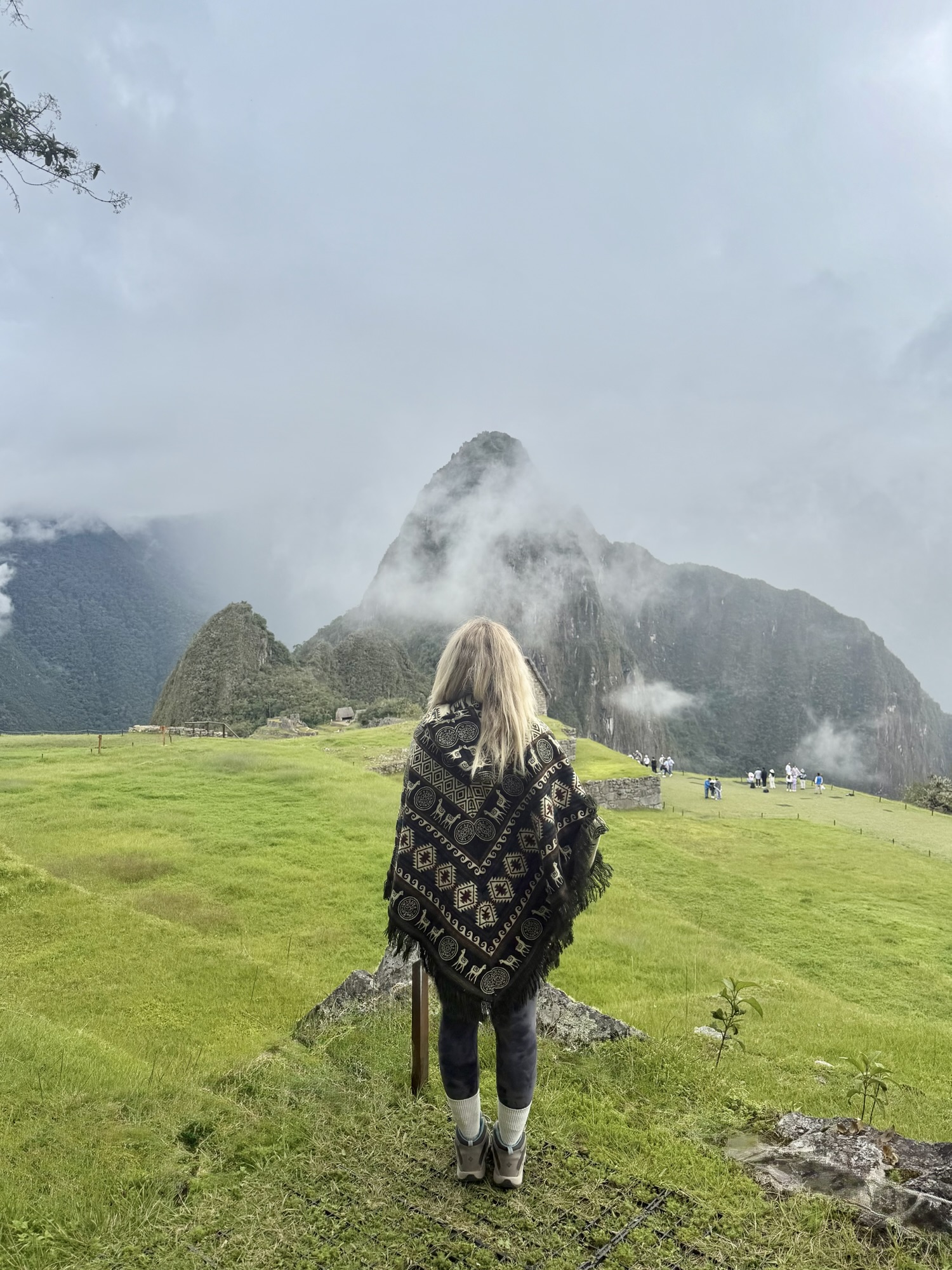
Machu Picchu itself carries a layered history. Built in the 15th century by the Inca, it is believed to have been a royal estate or sacred site. When the Spanish arrived in the 16th century and began conquering the Inca Empire, many cities were destroyed or abandoned. Machu Picchu, however, was never found by the Spanish, which is part of why it remains so well-preserved. The citadel’s exact purpose is still debated, adding to its sense of mystery.
Many people recommend avoiding Machu Picchu during the rainy season. While it was cloudy and lightly raining during my visit, it added to the atmosphere rather than taking away from it. The fog moved in and out of the mountains, revealing and hiding the ruins in a way that felt almost cinematic.
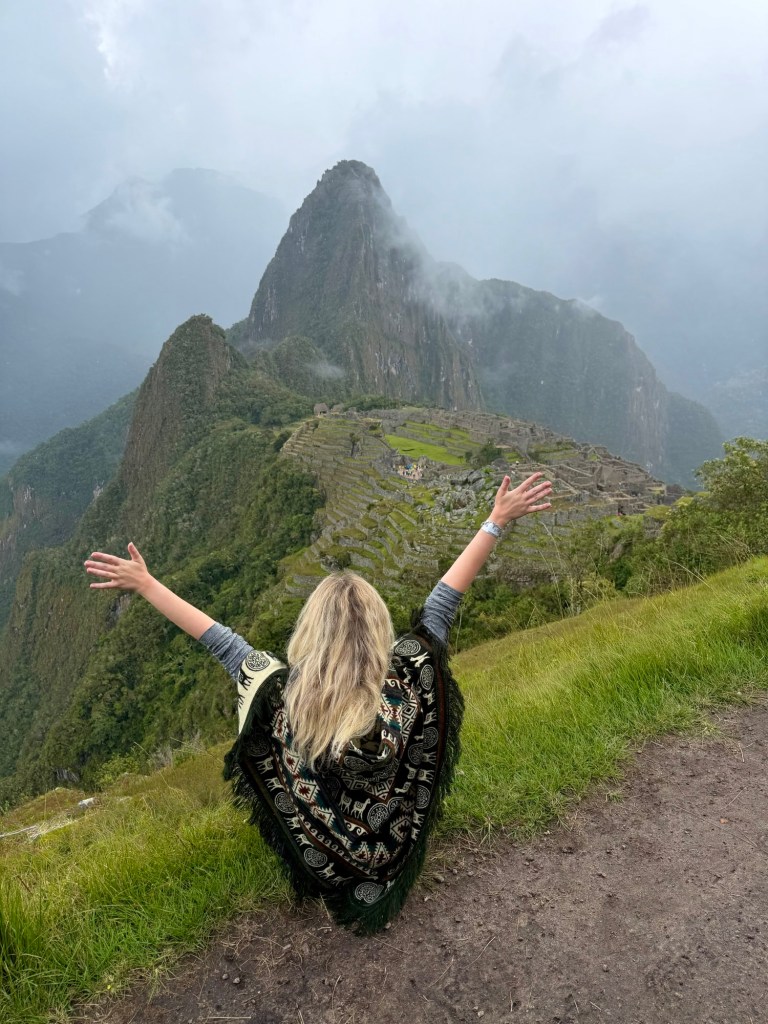
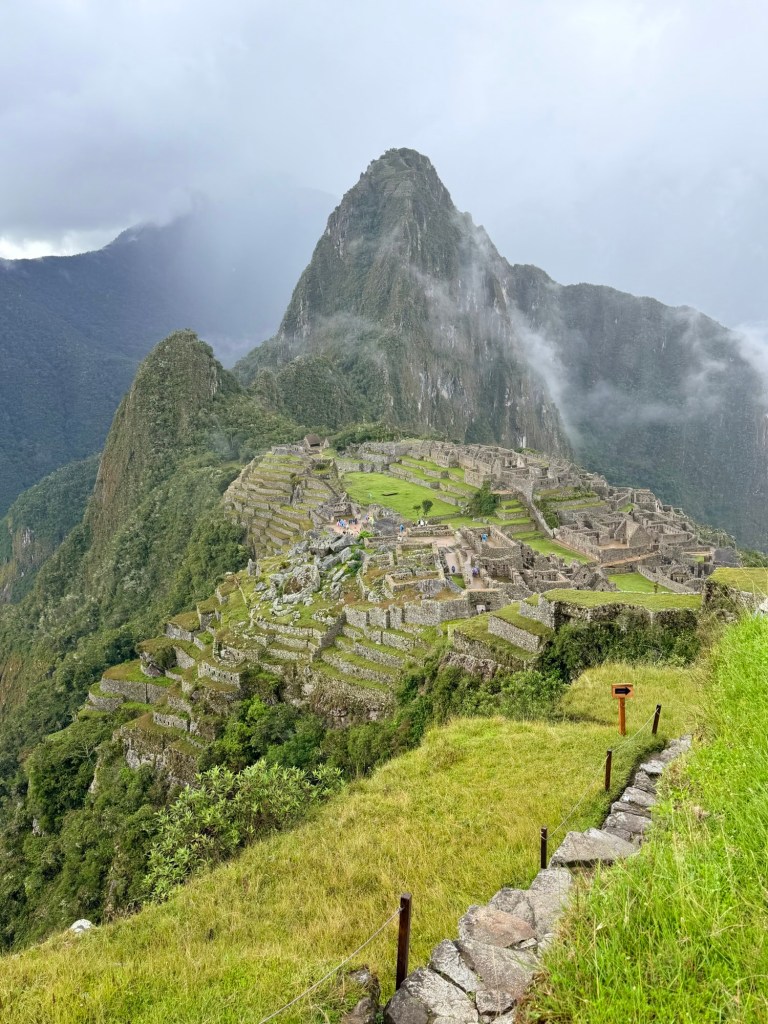
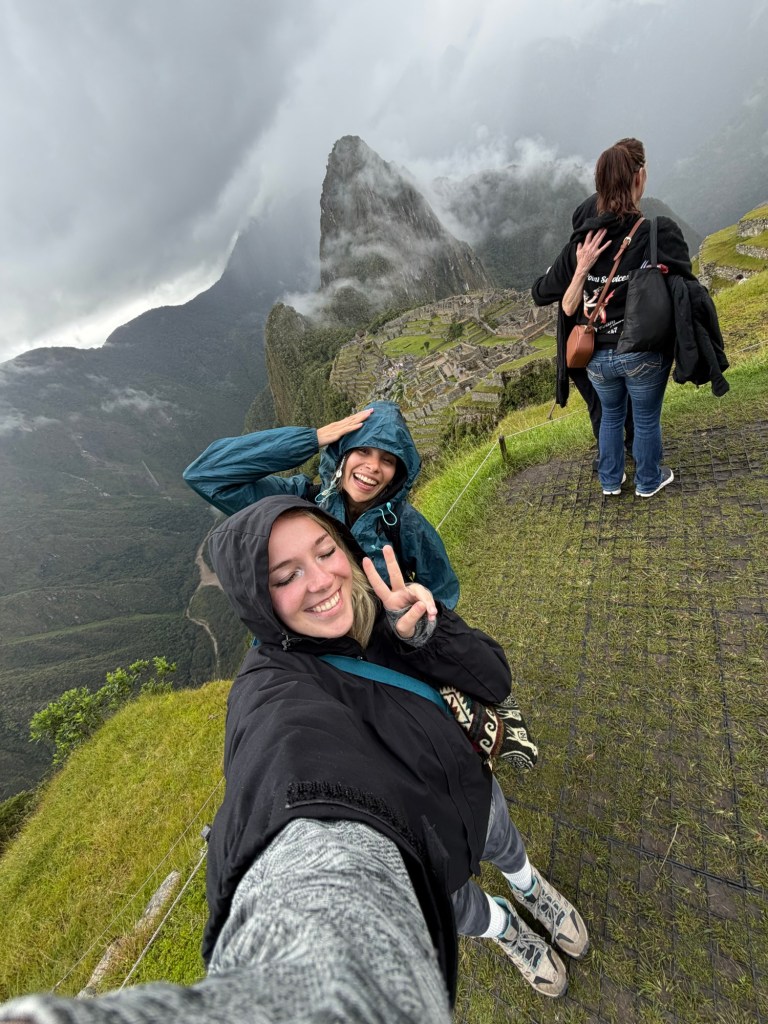
There are different circuits to book when visiting Machu Picchu, which determine where you can walk. These often need to be reserved months in advance. I ended up with Circuit 1, which focuses more on panoramic views rather than walking through the full citadel. While I would have liked to explore more of the site itself, I didn’t feel like I missed out entirely.
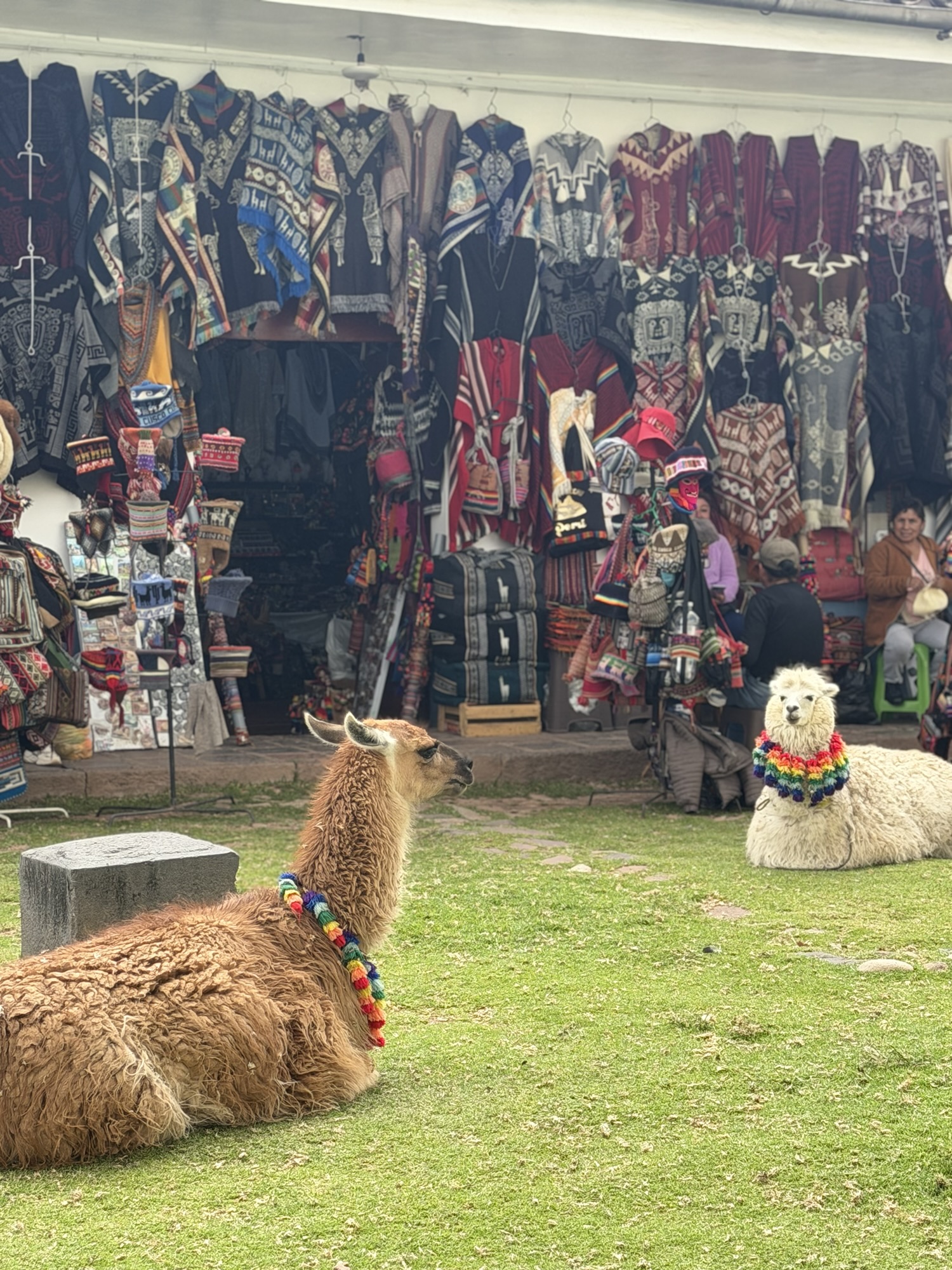
Because of the delay earlier in the day, Nicoletta and I had less time in Aguas Calientes afterward. I still managed to walk around, do a bit of shopping, and take in the town before heading back.
The train ride back was unexpectedly fun. I ended up talking with a traveler from South Africa and siblings from Austria, and we spent a good portion of the ride laughing over picante corn snacks. It was one of those random travel moments that sticks with you and will bring a smile to my face when I remember it. Still not as good as the Austrian pretzels… lol, iykyk
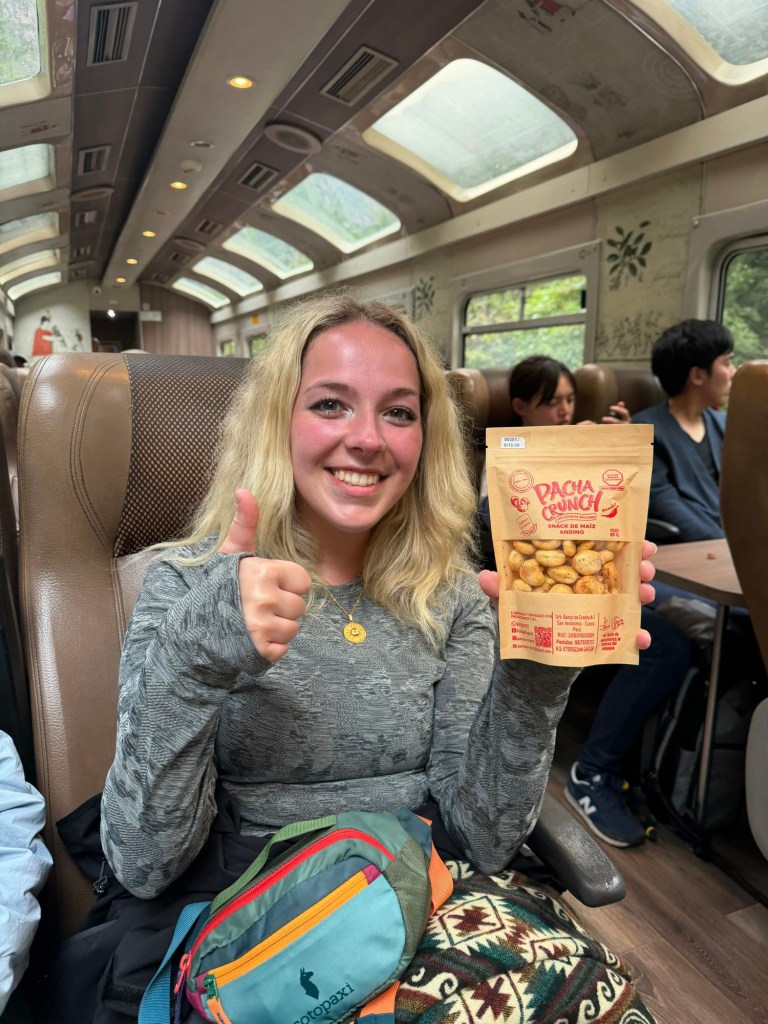
It was a long day from start to finish, but standing at Machu Picchu made it worth it. My second world wonder!
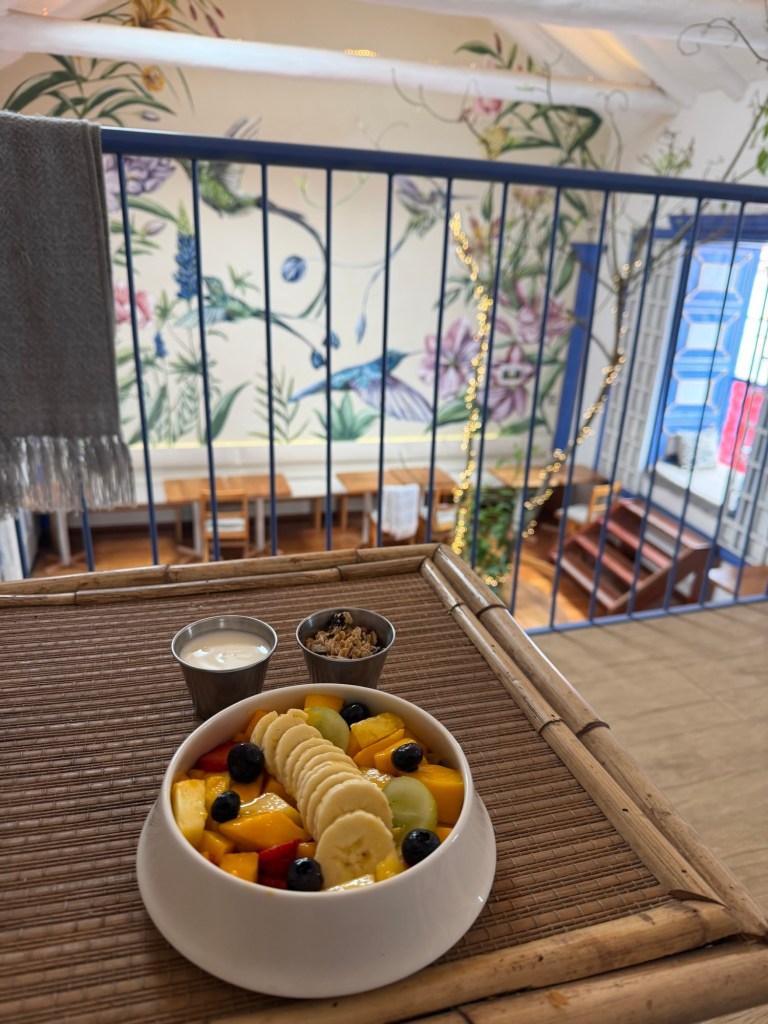
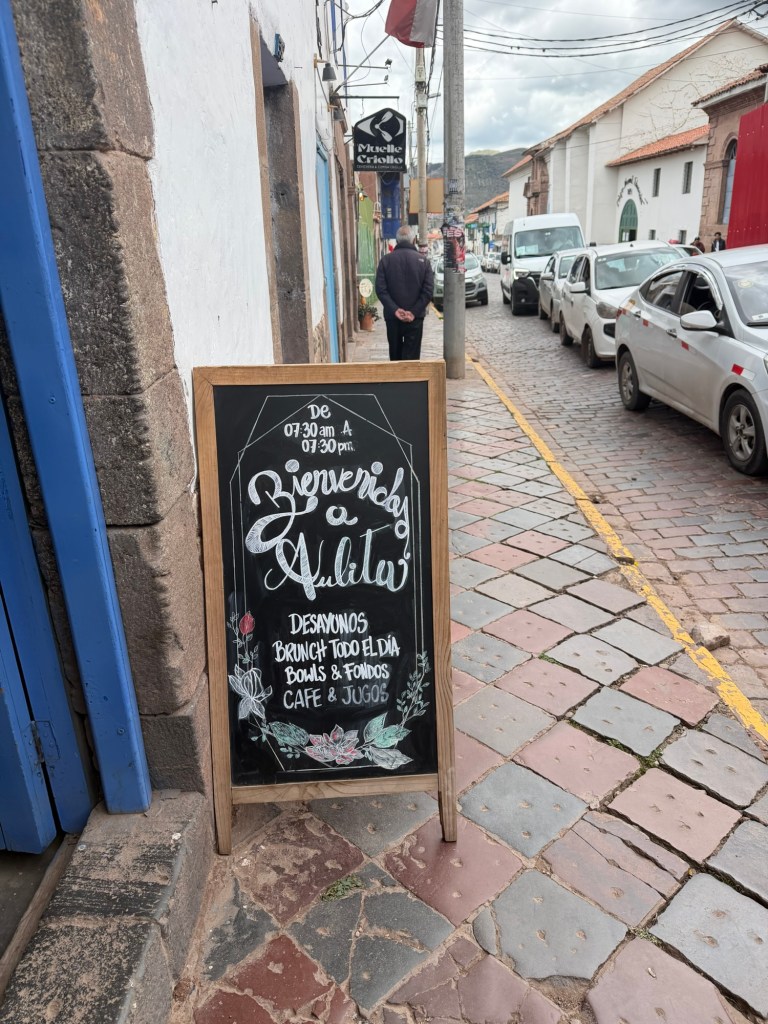
The next day, I spent time in Cusco with Nicoletta. We dropped off my laundry at a small shop near the hostel and walked to a breakfast spot she recommended, Aulita? tucked into the center of the city. I had yogurt and coffee, and we sat upstairs overlooking a mural of a brightly colored bird. It reminded me of a café I once visited in Antigua. A little tucked away, and easy to linger in. The more I travel, the more connections I make between places. Reminds me of how small the world is.
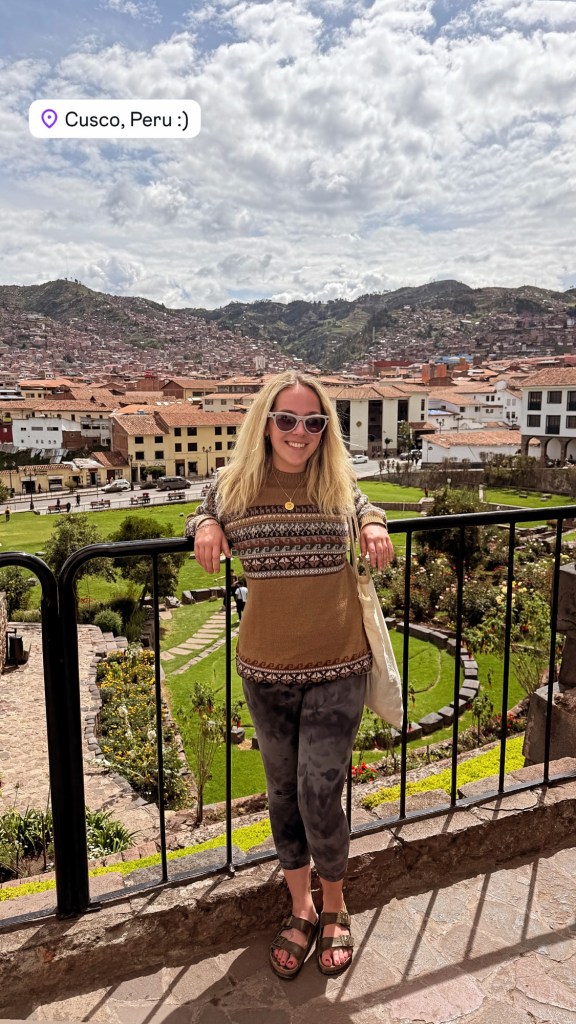
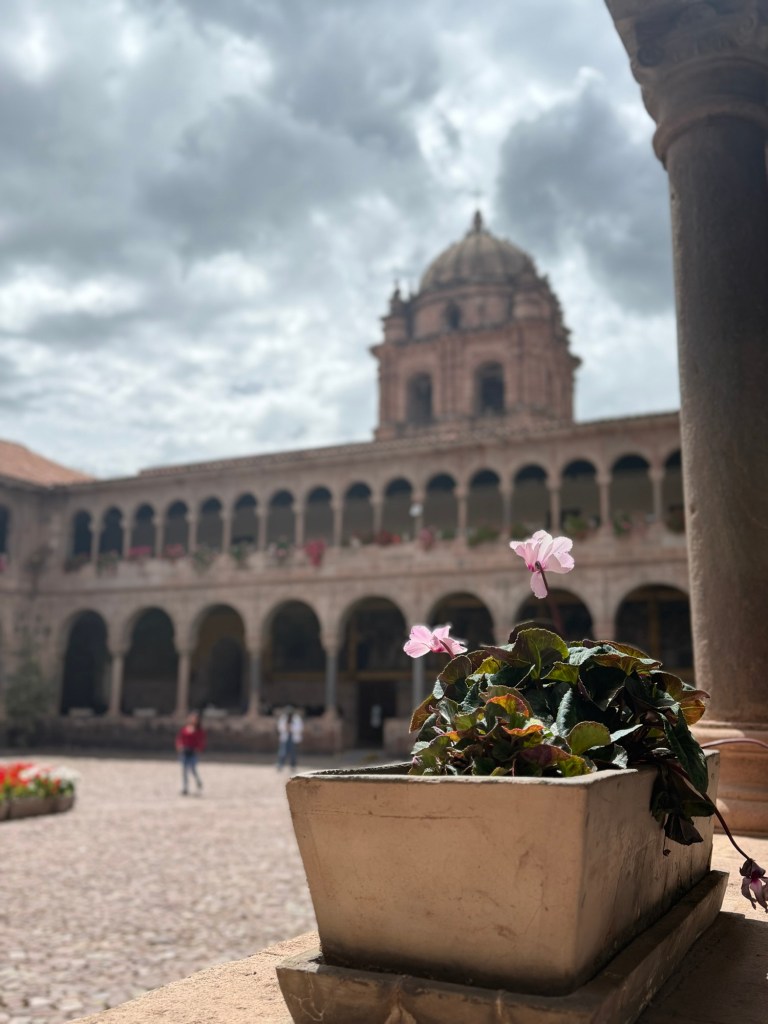
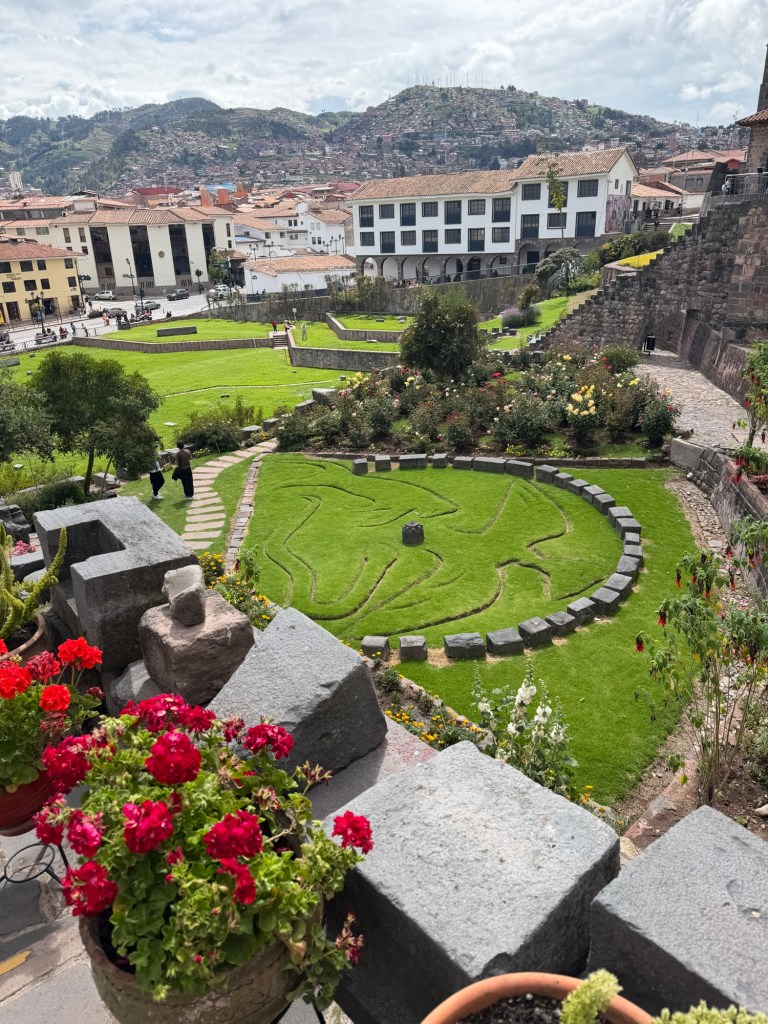
After breakfast, we walked through Cusco, stopping at ATMs that refused to cooperate before continuing on to Qorikancha. For about 20 soles, you can walk through what was once the most important temple in the Inca Empire. Originally dedicated to Inti, the sun god, its walls were said to be lined with gold before the Spanish conquest. When the Spanish arrived, they built a church over the original Inca stonework, so the site now holds both histories at once. Outside, the gardens are carefully maintained, filled with green patches and roses. It felt almost staged in its beauty, like stepping into a scene from a novel.
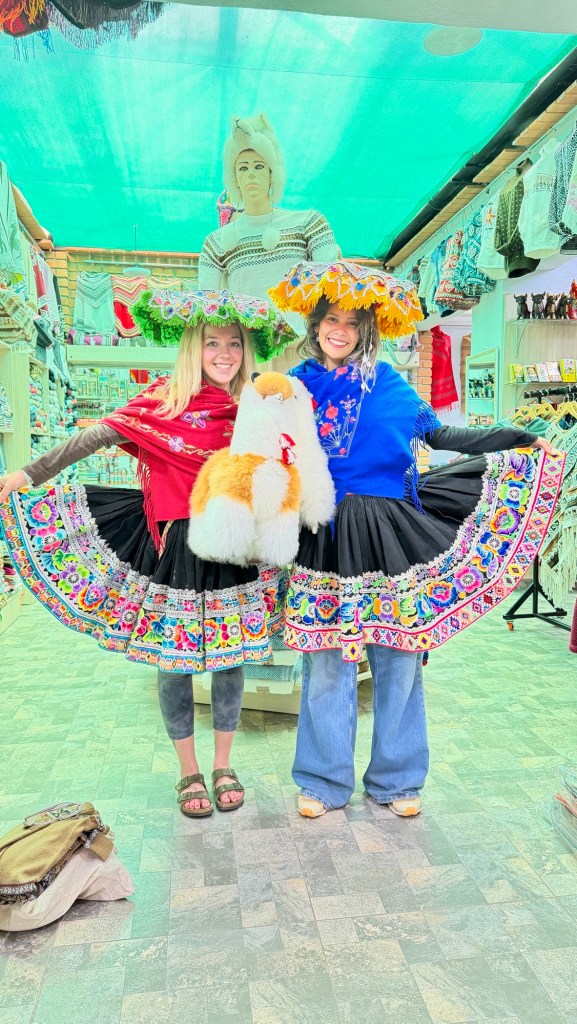
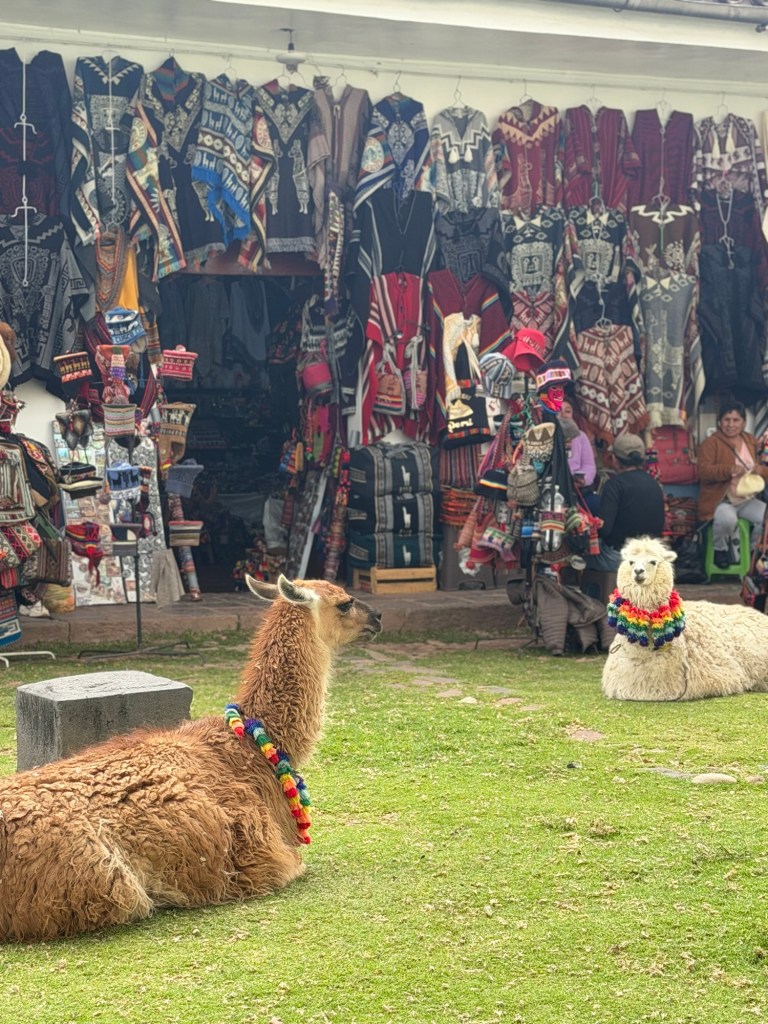
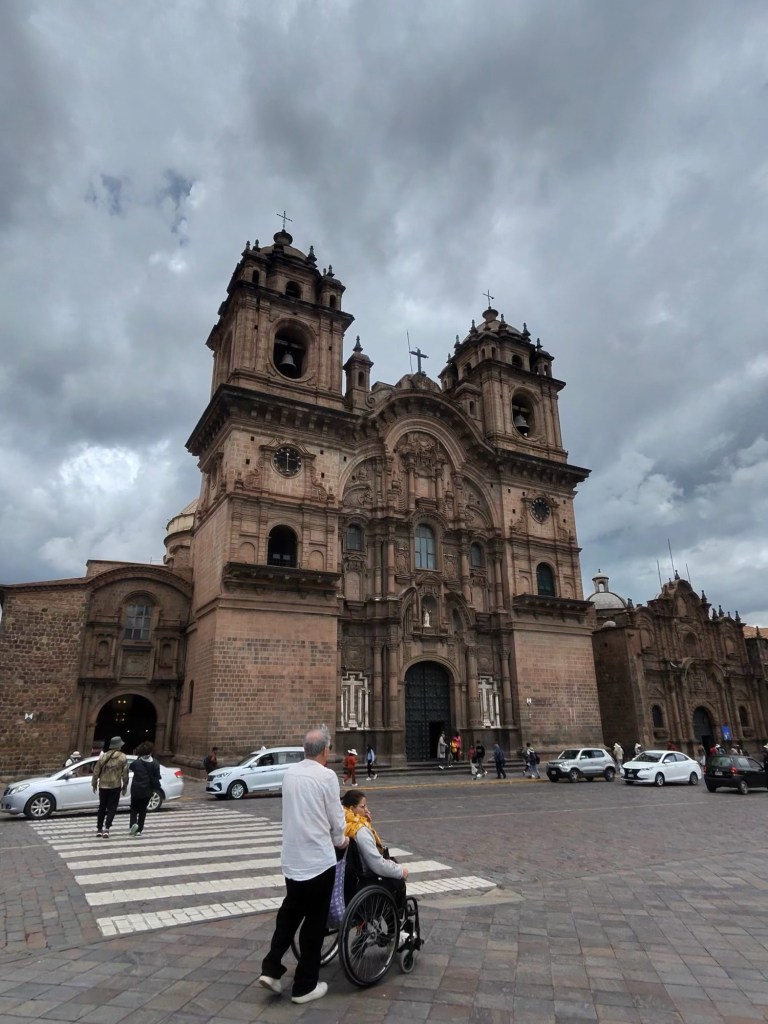
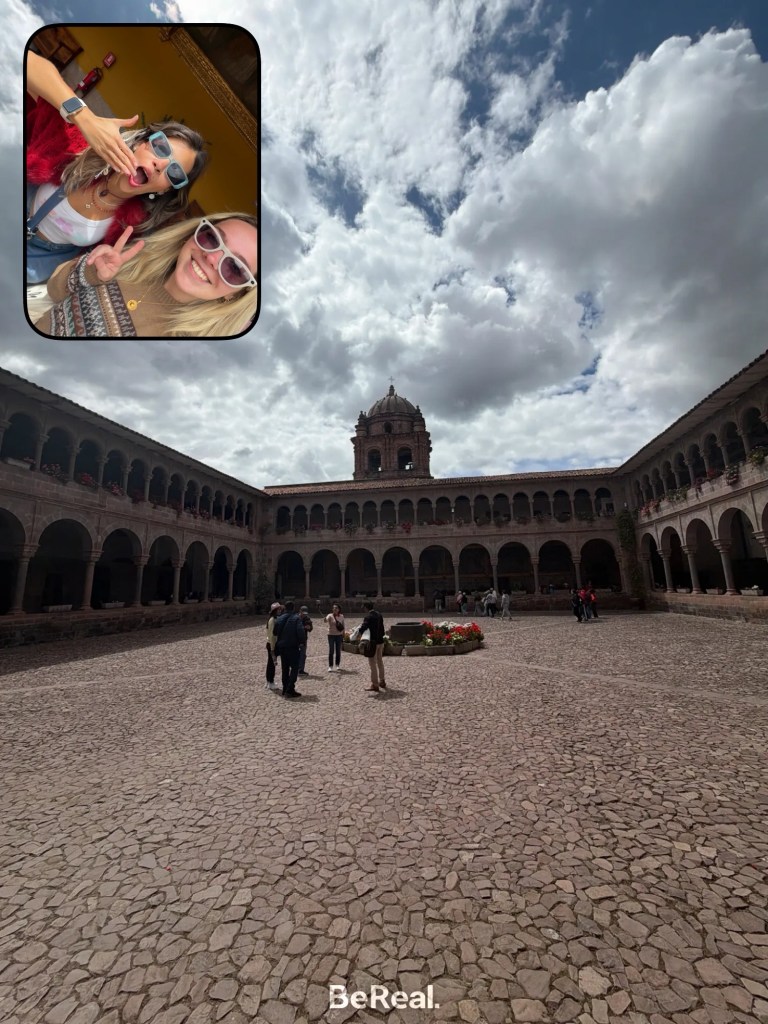
What started as a clear day turned into steady rain, sending us into nearby shops for cover. I ended up buying earrings I didn’t need, which felt like a fair trade for staying dry. The rain canceled my plans to join a hostel walking tour, so instead we grabbed food with other travelers and spent the afternoon playing ping pong. I hadn’t played in years, but it came back quickly and might I add, I was impressed with myself.
That evening, after saying goodbye and packing up, I prepared to leave Cusco. If I had known there were no direct flights from Cusco to La Paz, I would have planned my route differently to save both time and money. Still, flying back through Lima was faster than taking a long overnight bus.
At the airport, I cut it closer than I ever have before. I arrived on time, even had a moment to grab McDonald’s and a small toy—juguete, I think—but I went to the wrong gate. What I didn’t realize was that I was in the wrong terminal entirely. When I figured it out, I ran. Fully sprinting through the airport, sweating, on the edge of missing the only flight to La Paz. Security watched the whole thing unfold. First time crying in a security line, but somehow, I made it with about a minute to spare.
I landed in La Paz around 3 a.m. and waited in a long line for passport control. When I finally reached the front, the officer looked at me and asked, “You speak Spanish, right?” and that’s when I knew I’ve leveled up haha
From there, things got more complicated. I took a taxi into the city only to realize my booking at Wild Rover hadn’t gone through. With my backpack, I went door to door, checking hostels and hotels in the middle of the night. At one point, I slept outside for about 30 minutes. Eventually, a place that had initially turned me away found space for me.
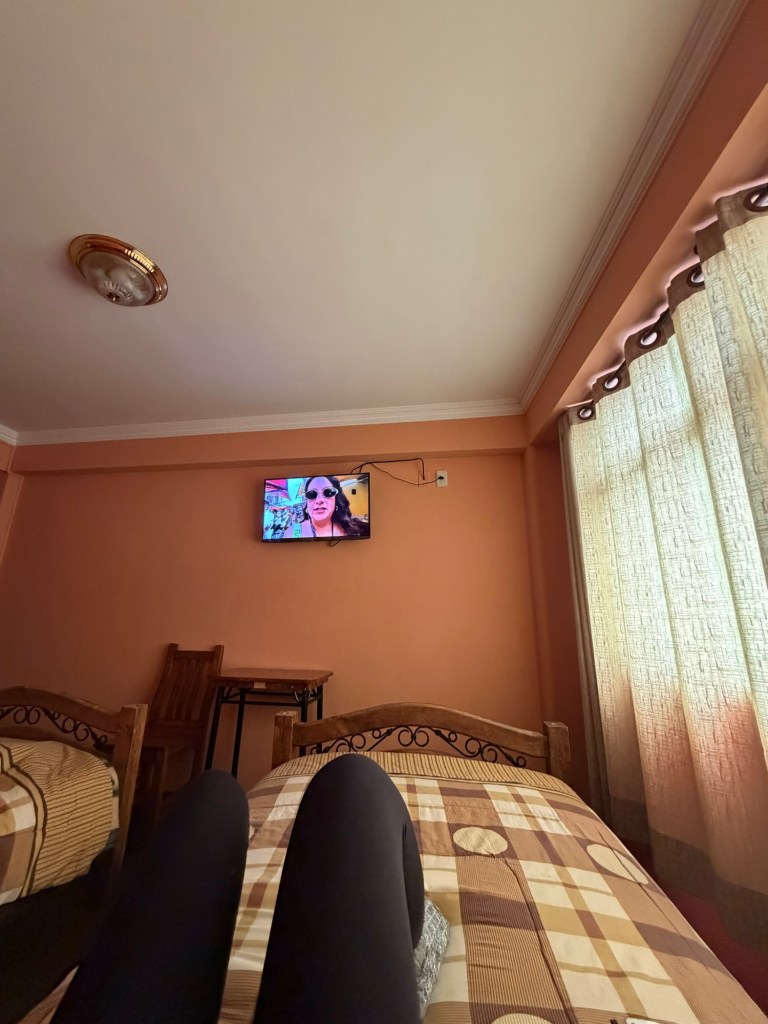
I ended up at Hostal Topaz. It was a basic, budget stay and a bit rough around the edges, but it was warm, and I had a room to myself. After a long stretch of travel, that was all I needed.
Quick note for the memoir because this part deserves it: picture me at 4 a.m., 40-pound backpack, walking door to door in La Paz like I’m auditioning for a survival show no one asked for. One place says no, another says no, I sit on the curb for a second like…okay, cool, this is how I go out. Then the same worker comes back out and goes, “Wait, we have one room.” I popped up so fast. Survival instincts: activated.
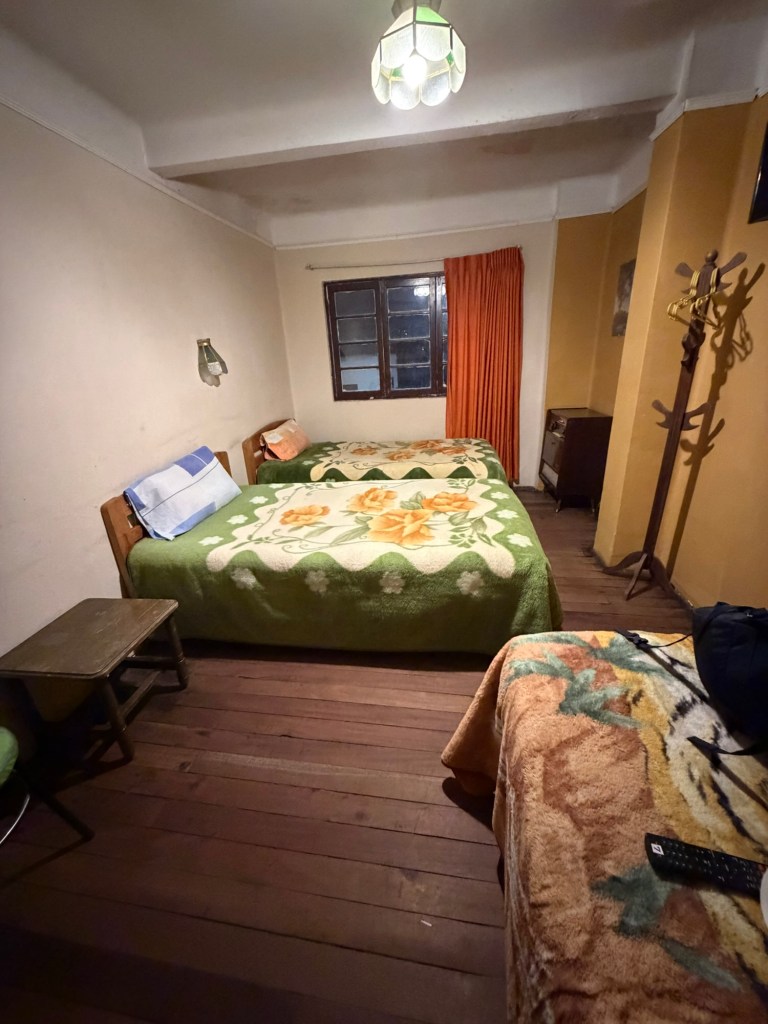
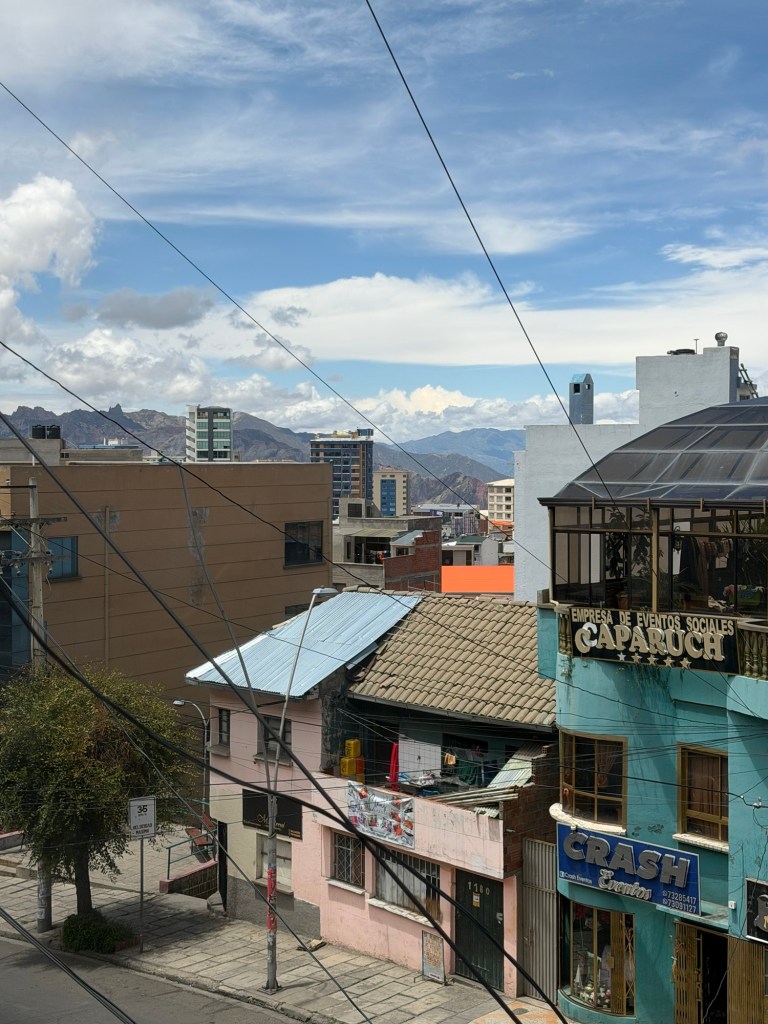
I finally got some sleep and woke up determined to have a calm, normal morning. I walked through La Paz, which, fun fact, is the highest administrative capital in the world (over 11,900 feet!), until I found a coffee shop called The Writer’s Coffee. It’s tucked inside a small bookstore, and it felt like the exact place I needed to land.
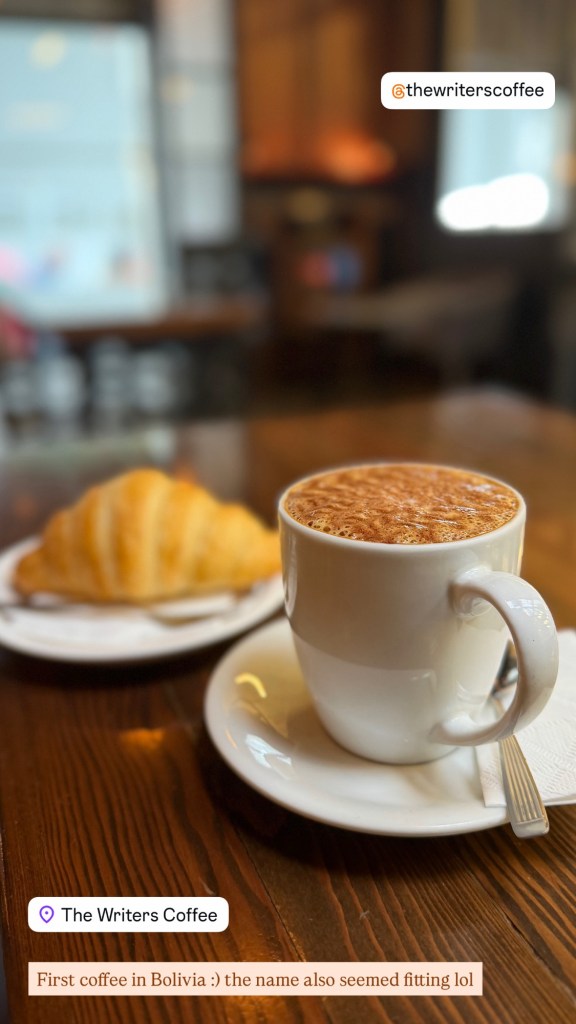
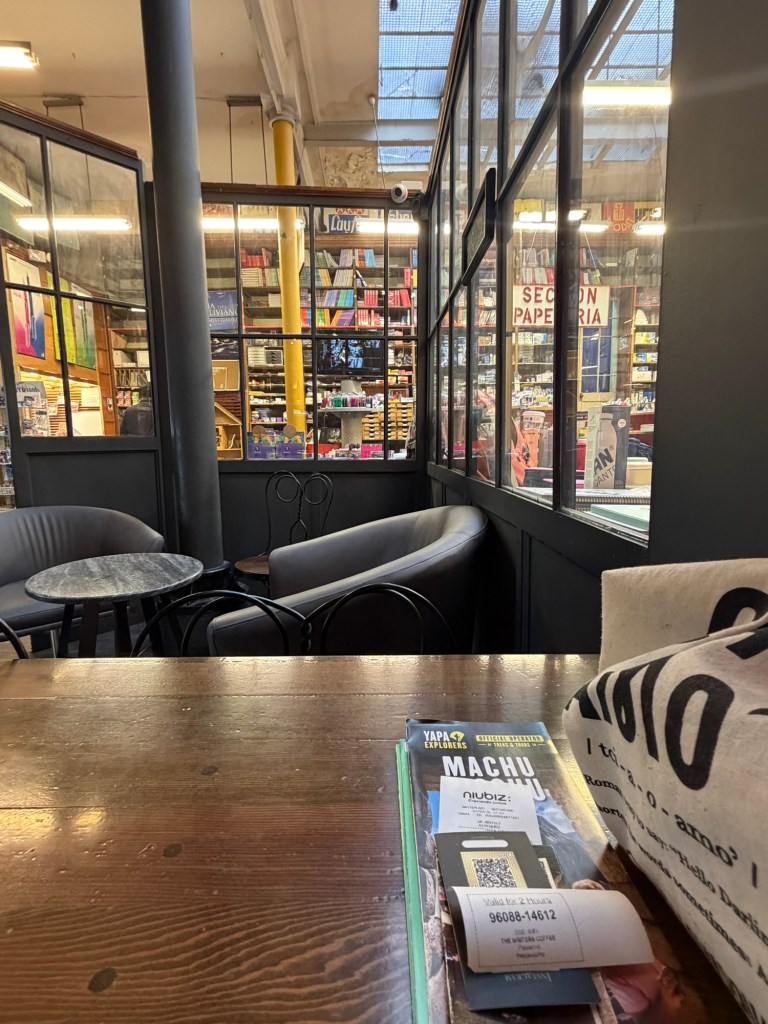
I ordered a strawberry coffee—the barista told me it was local—and stayed there for hours scribbling away in my journal. The staff was kind in that quiet, genuine way. I journaled and journaled and didn’t check the time once. There’s something about writing in the moment, when everything is still fresh, that feels different. Like you’re catching the details before the morning steals it.
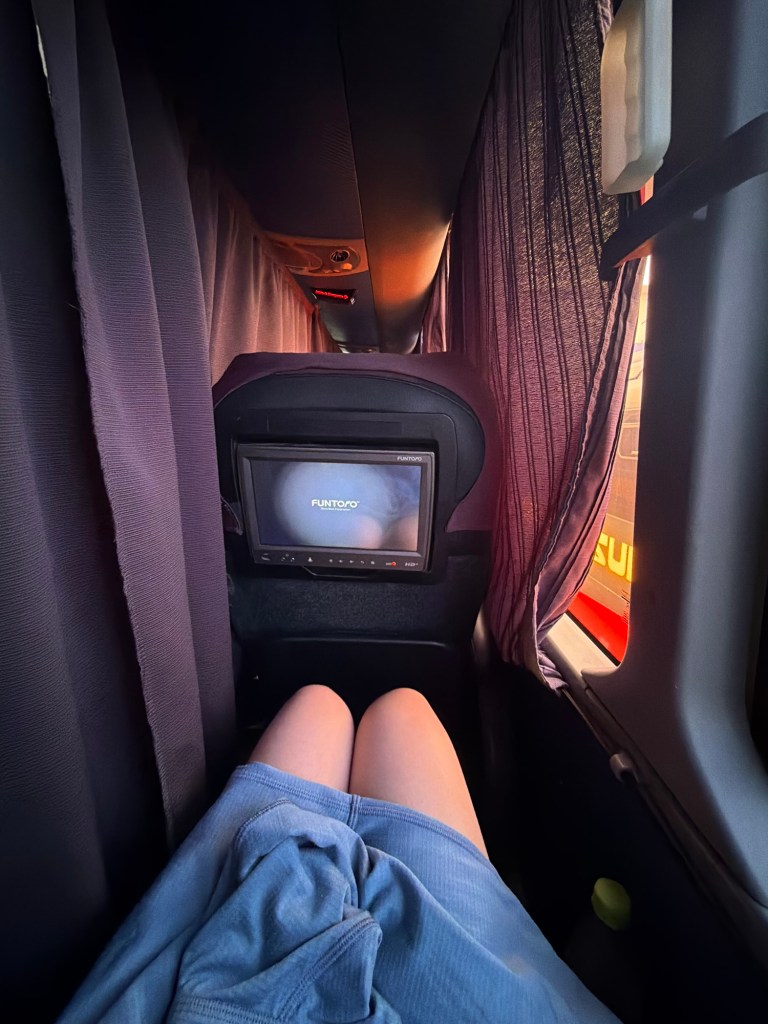
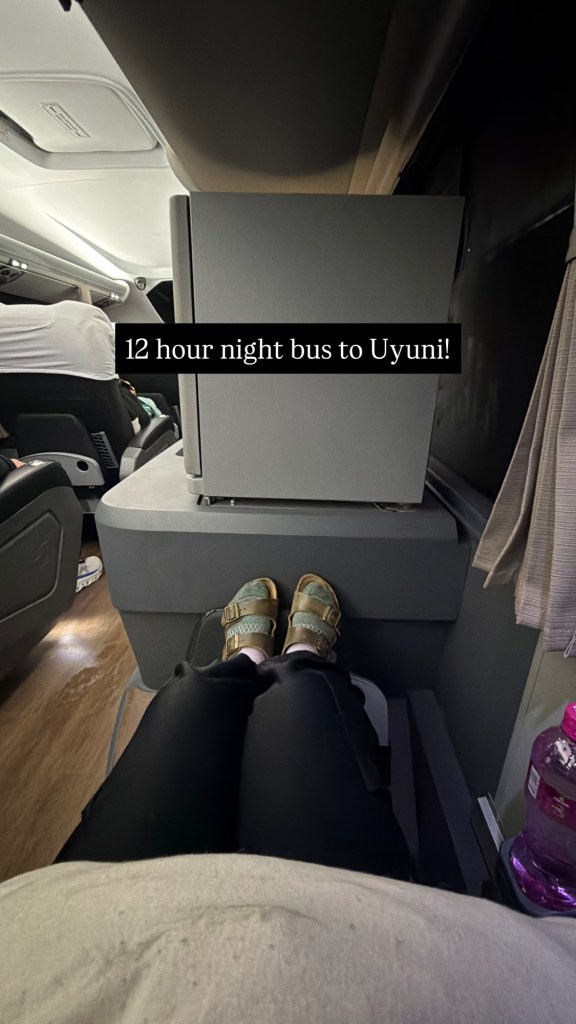
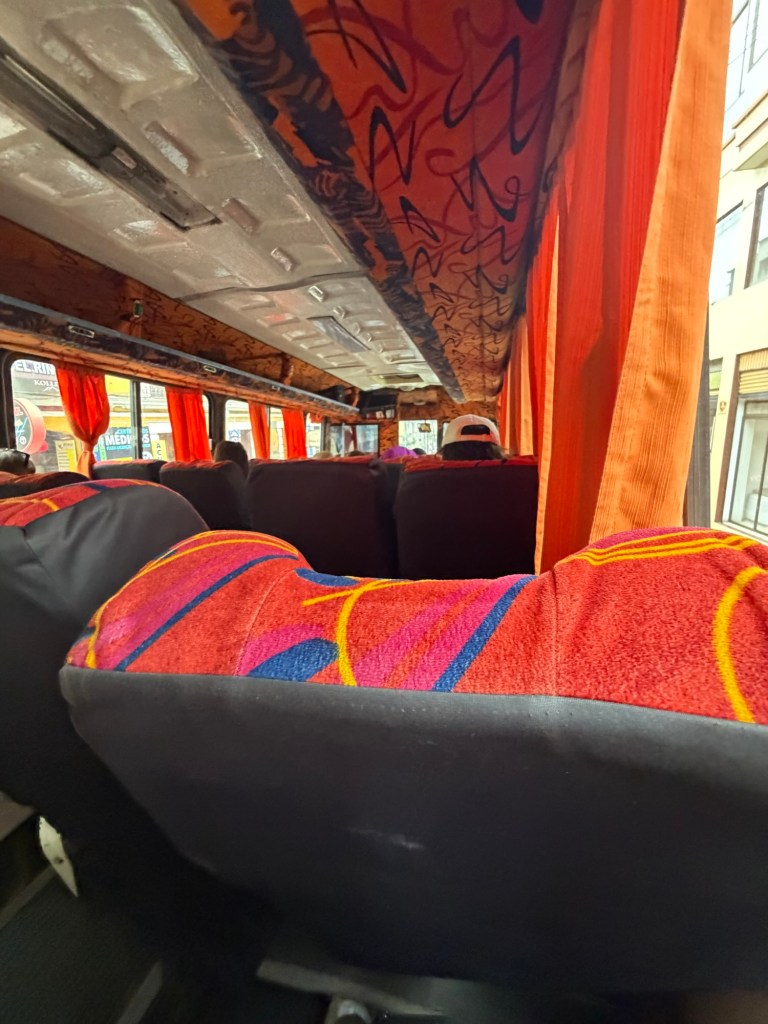
That night, it was time to head to Uyuni. Uyuni is home to the largest salt flats in the world, and getting there from La Paz meant a 12-hour overnight bus. I’m not going to lie, I wanted to die lmao—but I did have my own seat, a little curtain, and I’m short enough to curl up and make it work. The only time ergonomics work out in my favor is while traveling.
For context, the night before at Hostal Topaz, I learned it’s also a spot where locals go for rock climbing. It was pouring rain, water running through parts of the building, so I definitely wasn’t participating, but it added to the overall experience.
Of course, right before I had to leave, it started pouring rain. Full downpour. Suddenly no Ubers, no taxis, nothing. I’m standing there starting to panic when one of the guys at the hostel—who happened to be from La Paz—tells me, “Don’t worry, we’ll figure it out.” Sam, I owe you one.
I know how this sounds. I really do. But he helped me flag down a cab, made sure I wasn’t getting overcharged (and supposedly stabbed, as he later mentioned LOL), and got me to the station safely. No scam, no stabbing, just a genuinely kind person.
I get on the bus… and it doesn’t leave for another two hours. Of course. At that point, you just laugh.
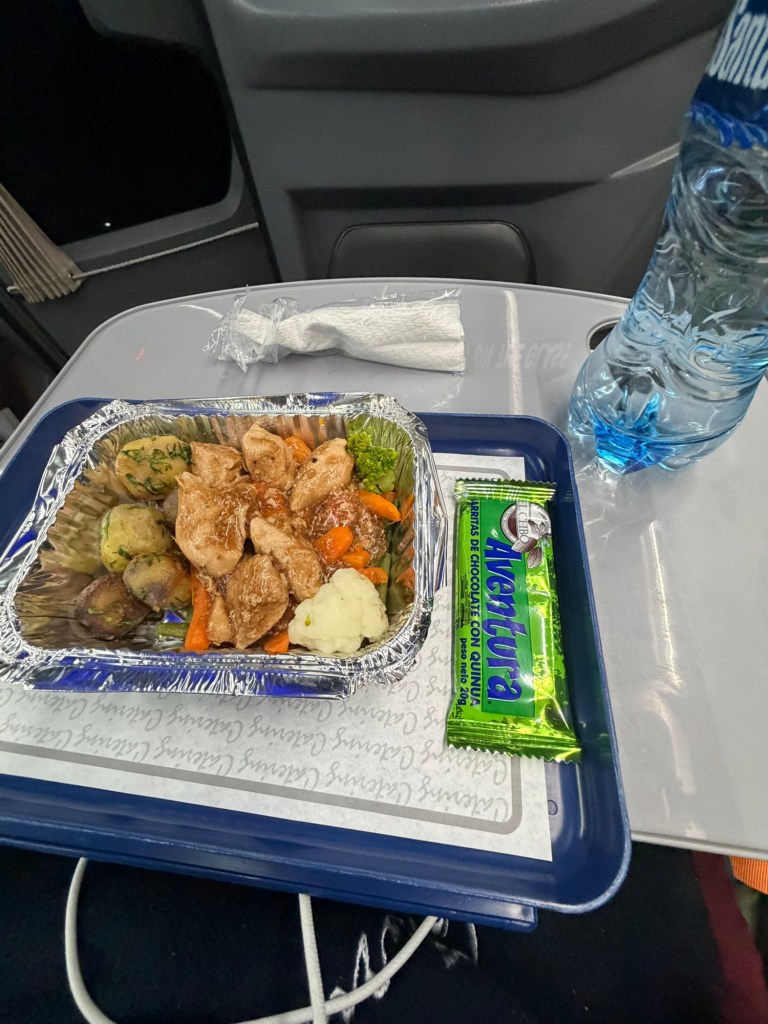
The ride itself was long but manageable. I listened to music, made some notes, ate the chicken dinner they handed out, and tried to sleep. It was my first time on a double-decker bus, which felt oddly luxurious. At one point, I think some sort of patrol officer came through, but I was half-asleep so who knows.
I had booked a three-day Uyuni tour through GetYourGuide for about $255, and in my opinion, it was completely worth it. It included transportation, a 4×4 tour, and all meals. The meals were simple, mostly boxed breakfasts and lunches—but they did the job. Quick note: if you’re vegetarian or vegan, bring backup snacks. A few people on my trip struggled with options. Breakfasts were usually ham and cheese sandwiches with quinoa protein bars, which were actually so good.
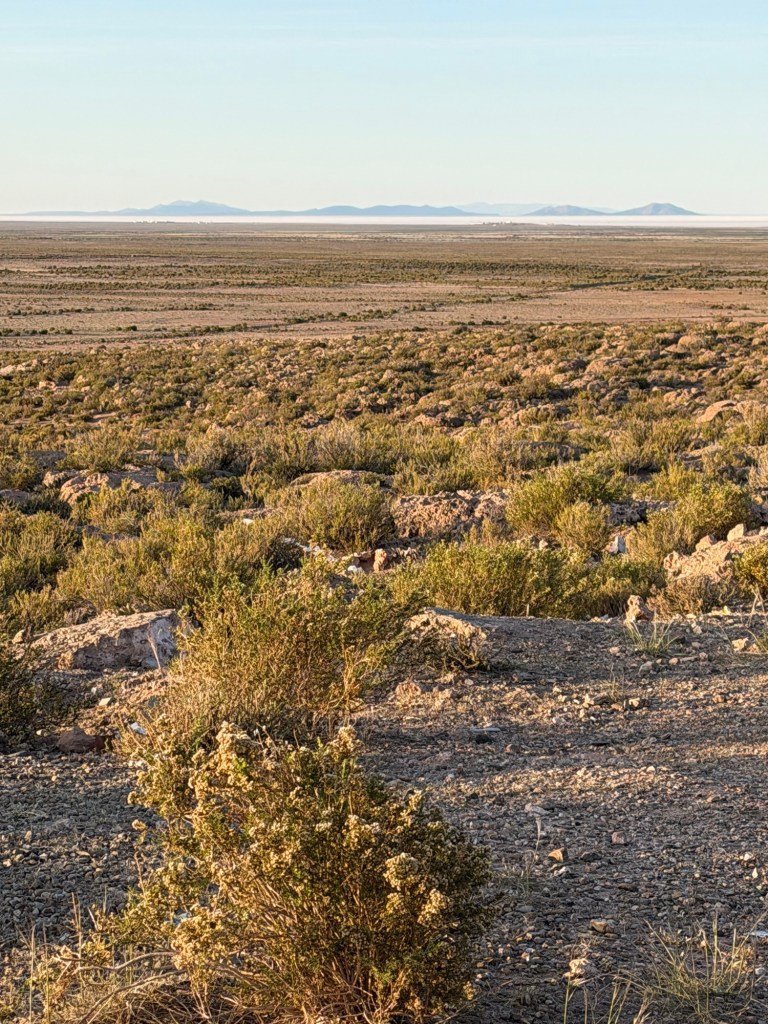
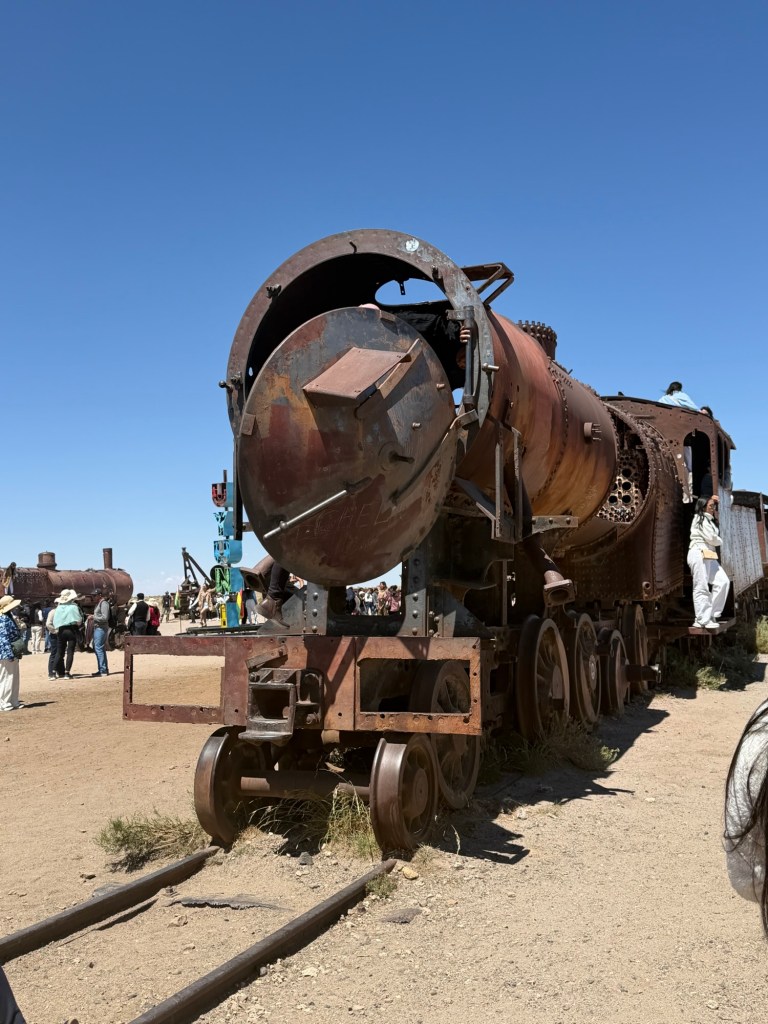
From the tour office, we loaded into 4×4 vehicles and headed out toward the salt flats. It took about an hour and a half to get there, and nothing really prepares you for what you’re about to see. The scale is massive. Completely open, stretching further than your eyes can process, with mountains in the distance that almost don’t feel real.
I had an amazing group in my car, travelers from Russia, the UK, Chile, and Mexico. I ended up having my longest conversation in Spanish so far on this trip, which was a small win. But honestly, we didn’t need a shared language to understand what we were all feeling out there.
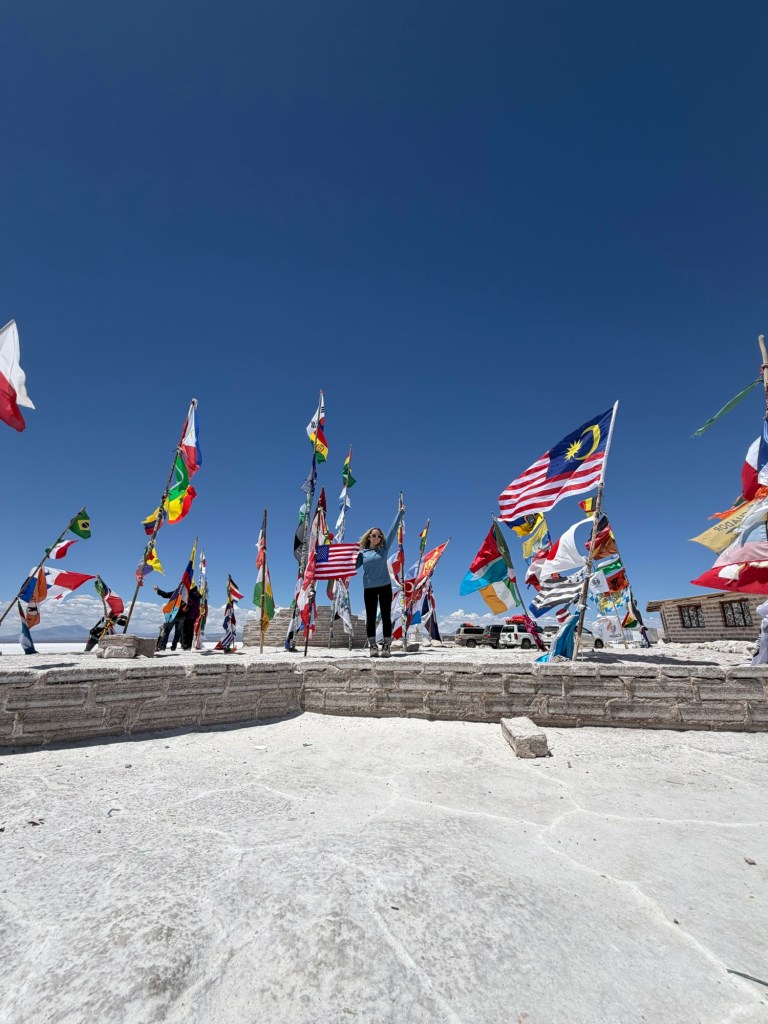
Our first stop had a collection of flags from different countries, and it was cool watching people pick out theirs and take photos. Then we moved to an area where the salt forms these raised hexagon patterns across the ground. It looked almost like water reflecting sunlight—but textured, solid, and endless.
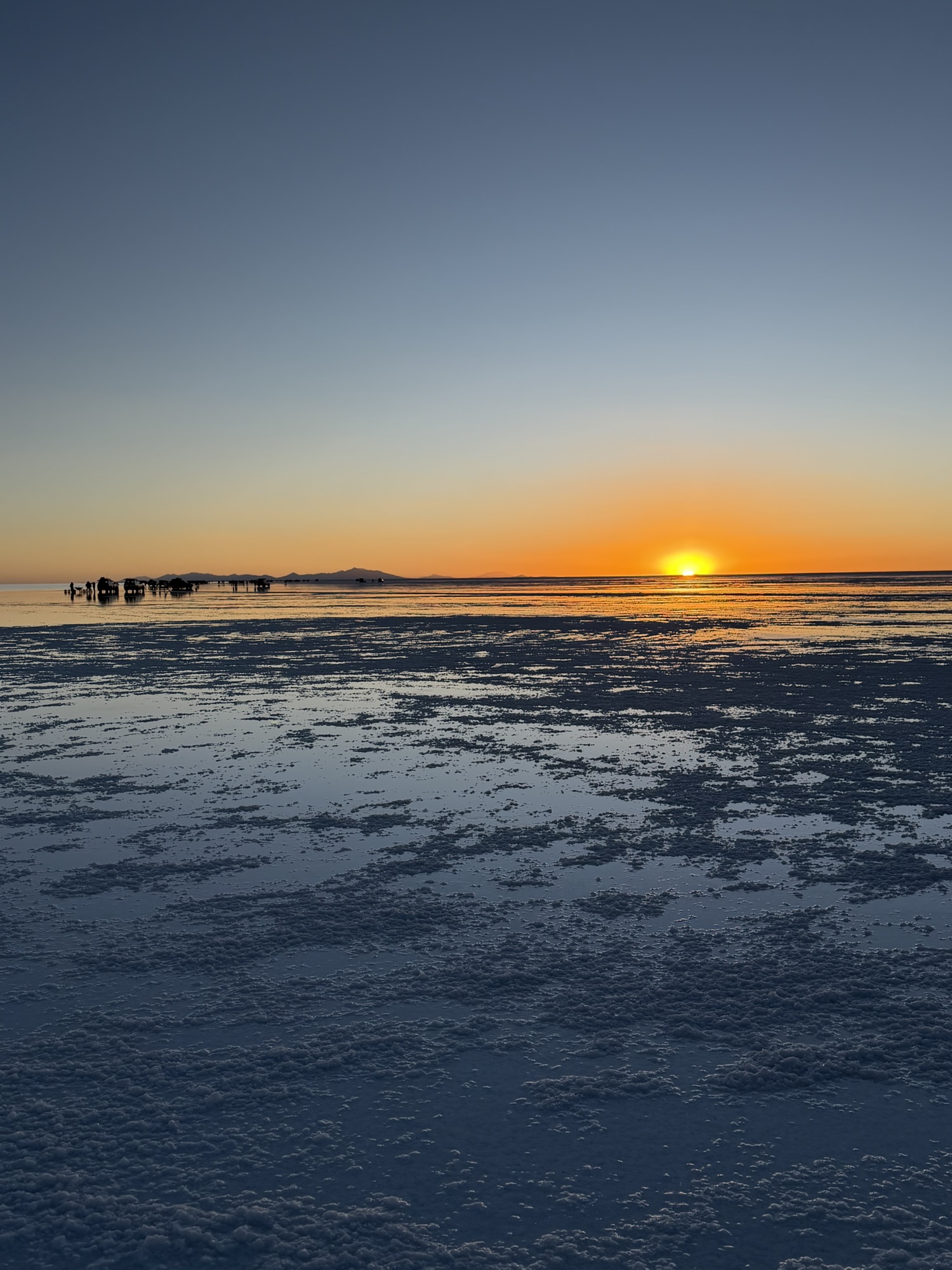
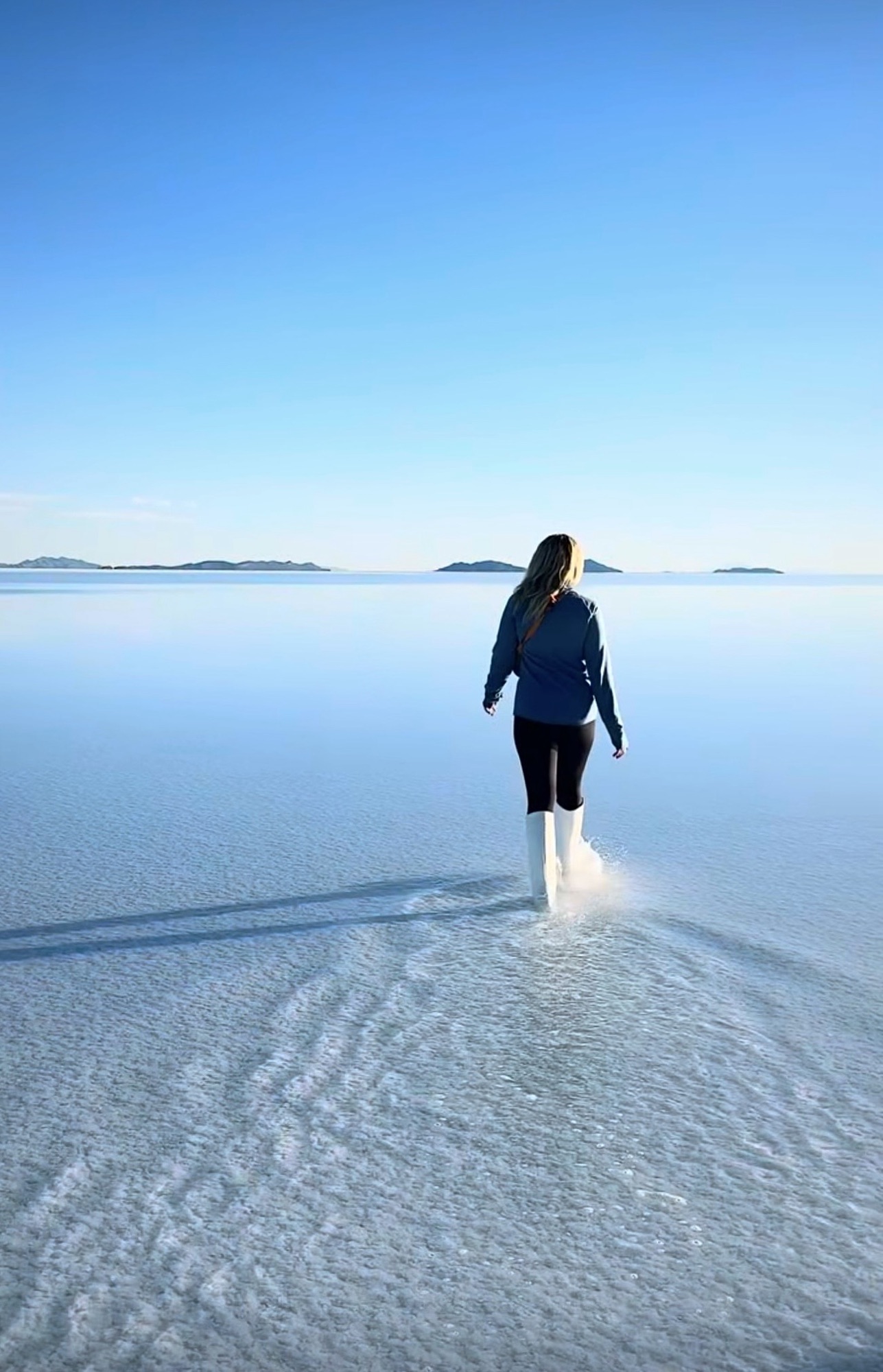
March isn’t peak season for Peru, but it is for Uyuni. The rainfall creates a mirror effect across parts of the flats, turning the ground into a perfect reflection of the sky. It’s one of those things that doesn’t look real even when you’re standing in it.
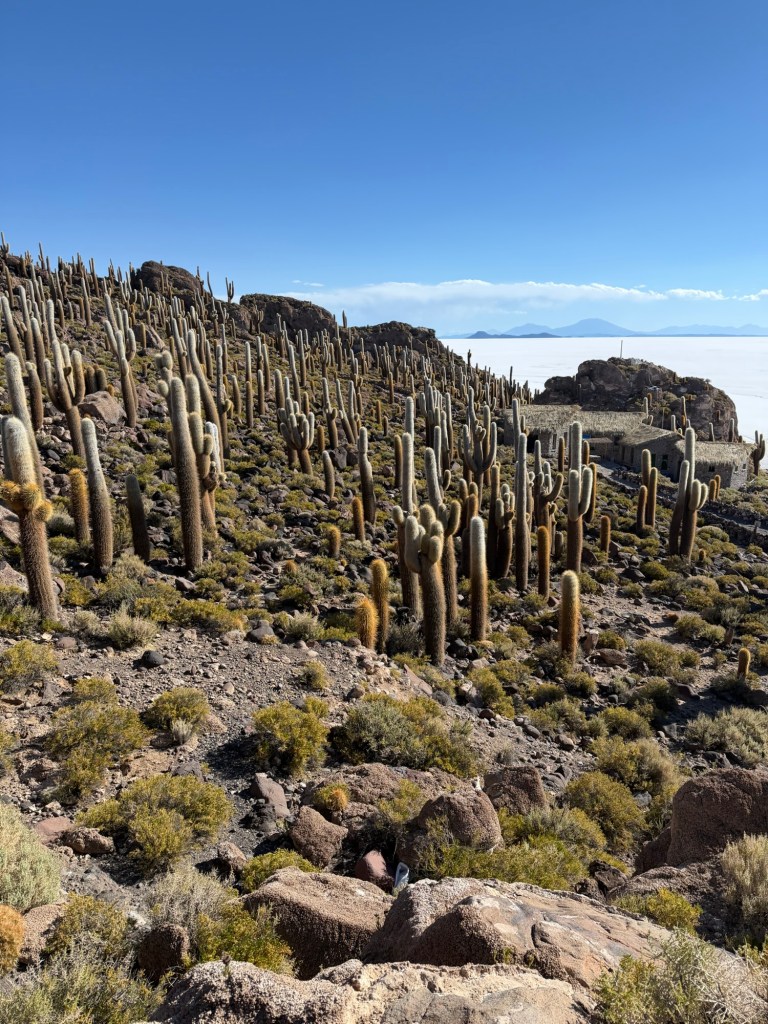
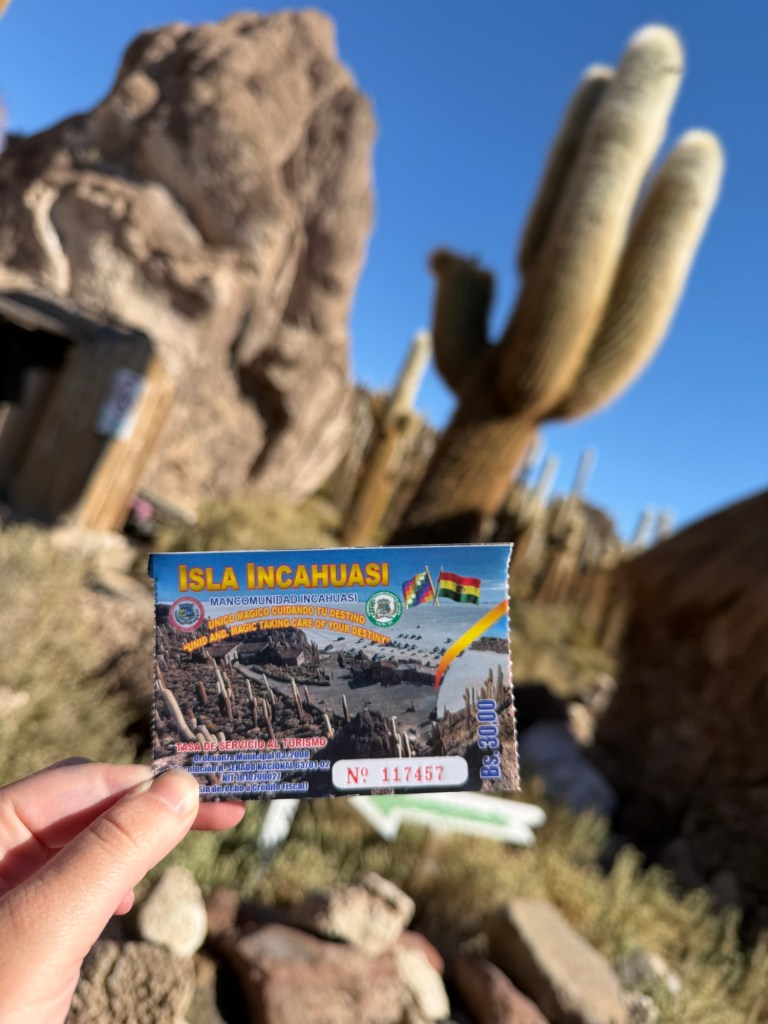
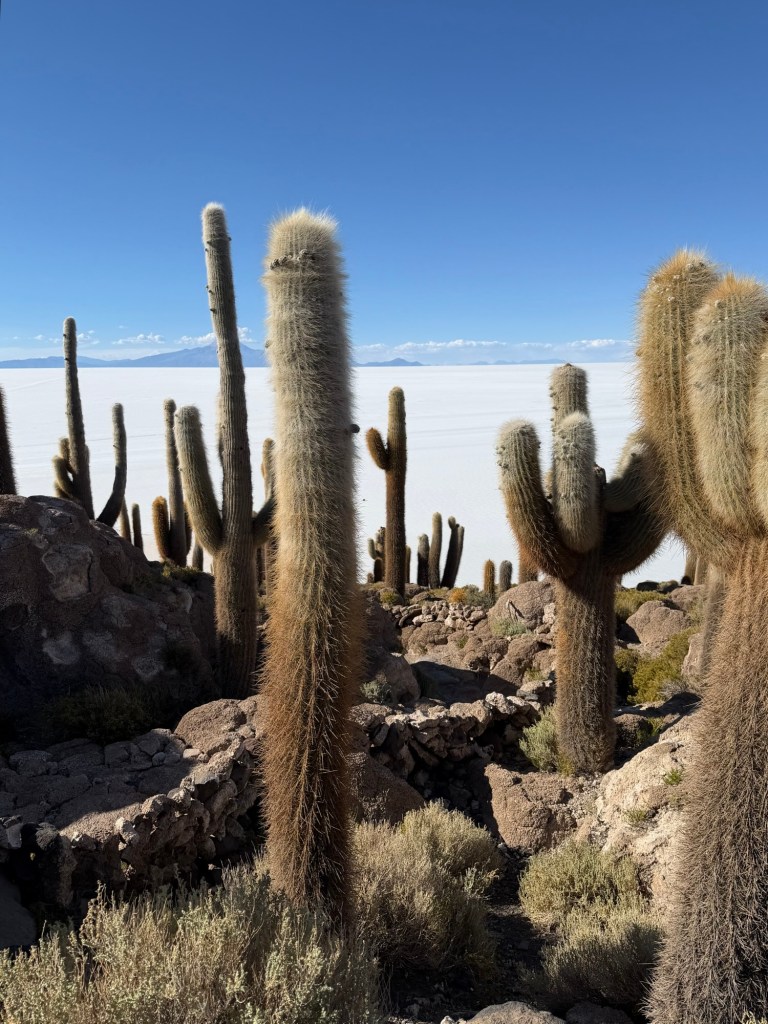
Before the final stop, we visited Incahuasi Island, also known as cactus island. It’s estimated to be over 40,000 years old and was once submerged underwater. Now it’s covered in massive cacti that feel almost prehistoric. The hike up was hot and a little tricky, but the views at the top were worth it.
We had lunch at a spot where even the tables and chairs were made of salt. The meal was simple—beef, vegetables, quinoa, and a drink—but it hit after a full morning out there. We also stopped at a small museum that explained how the flats formed and how rainfall impacts the salt levels.
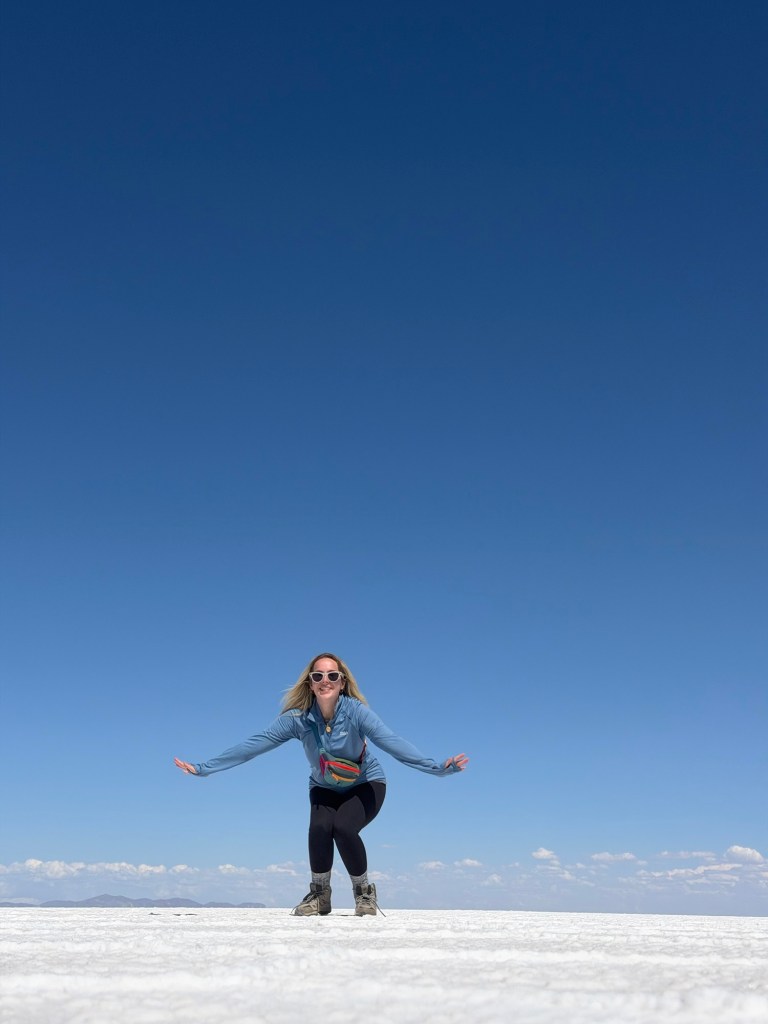
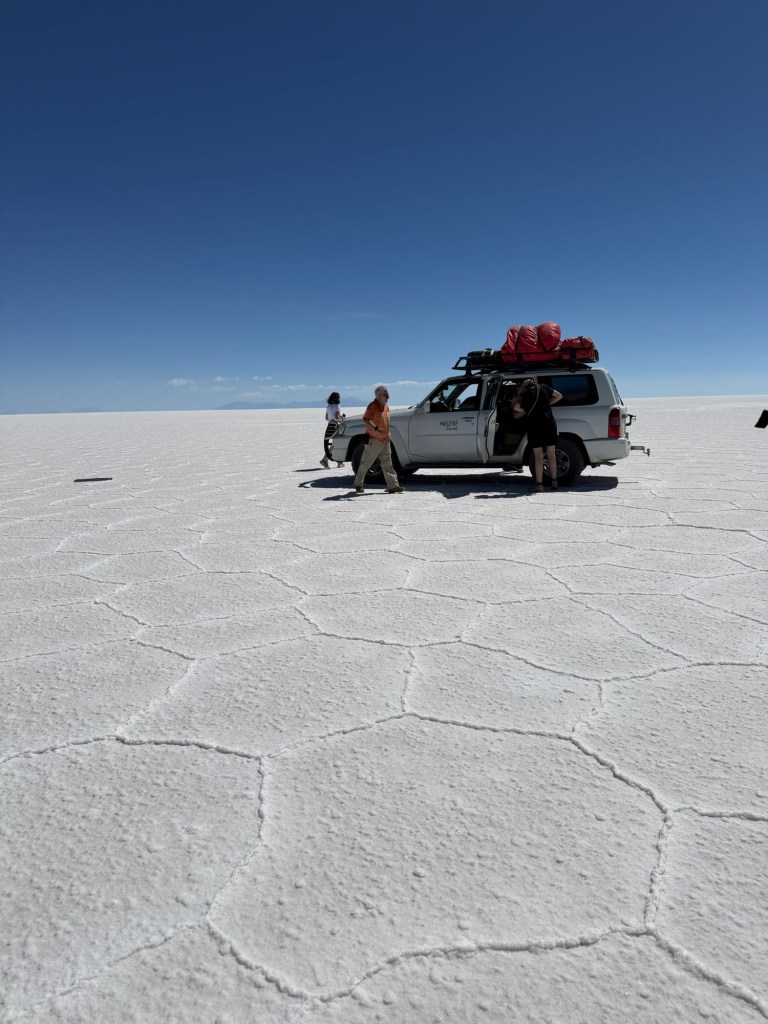
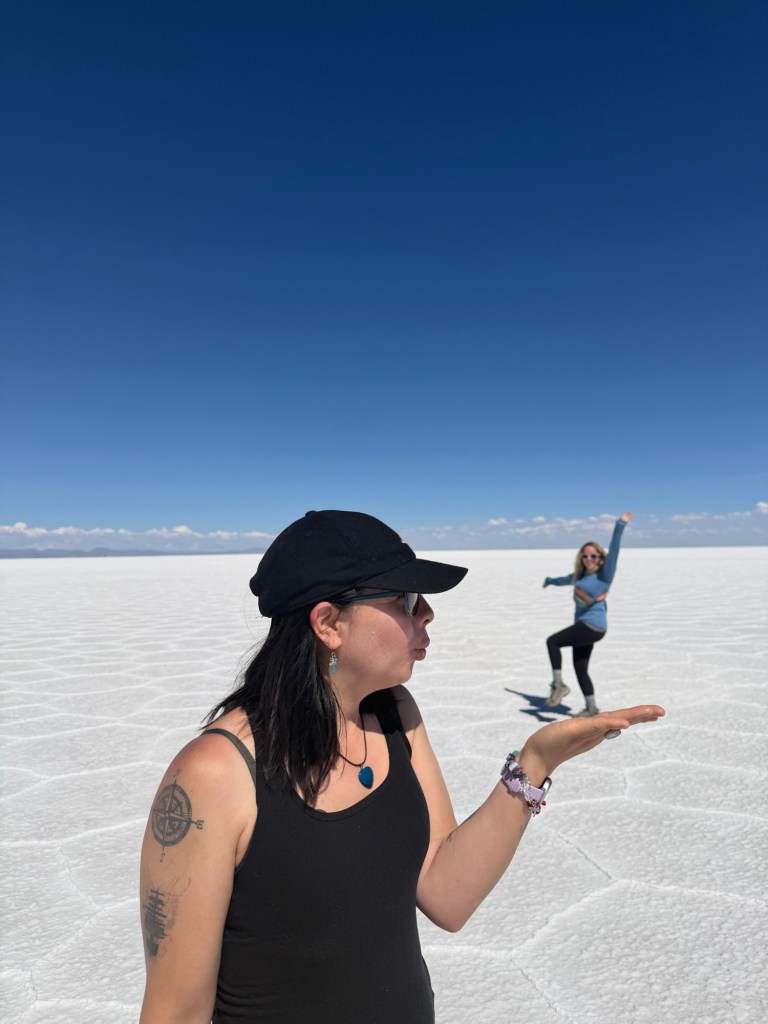
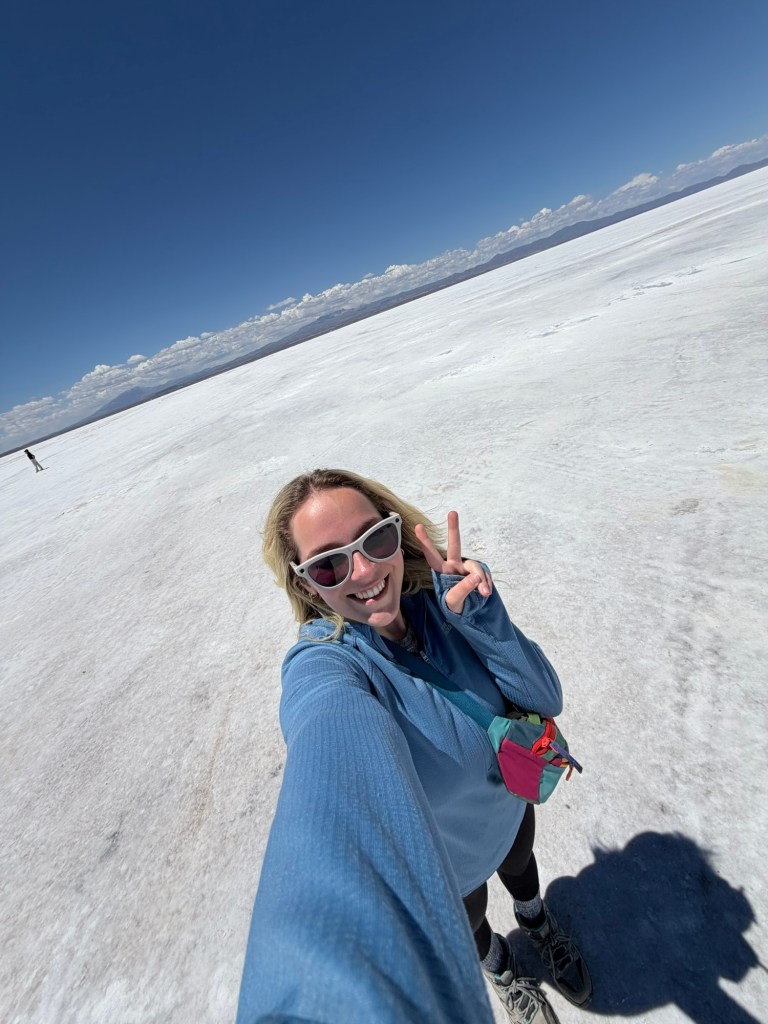
Then came the part I had been waiting for. At sunset, we drove out to the flooded section of the flats. They give you rubber boots so you can walk through the water without soaking your shoes. When you step out, it feels like you’re walking on water. I know that sounds dramatic, but there’s no better way to describe it. The sky reflects perfectly beneath.
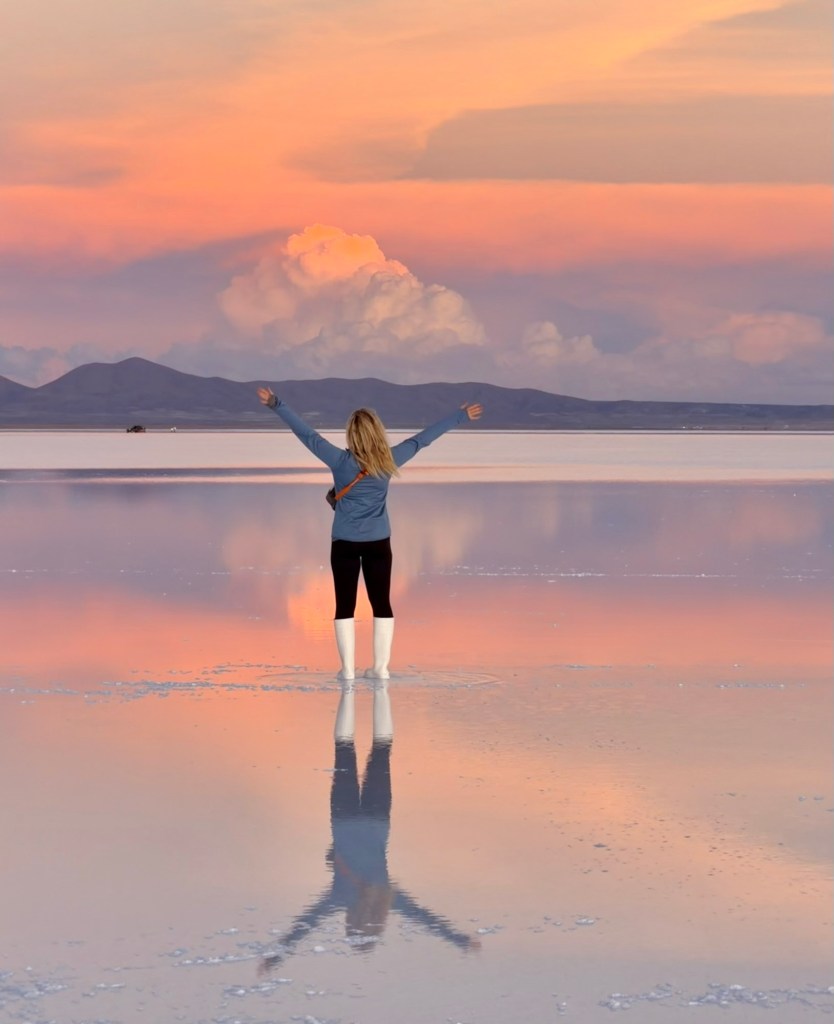
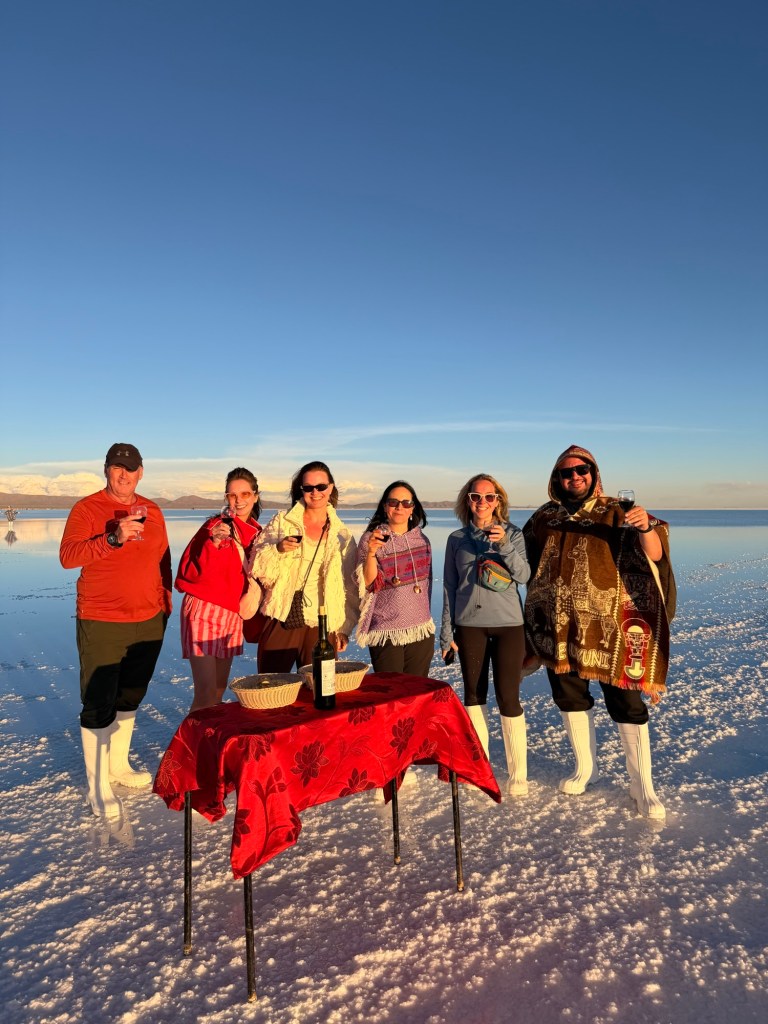
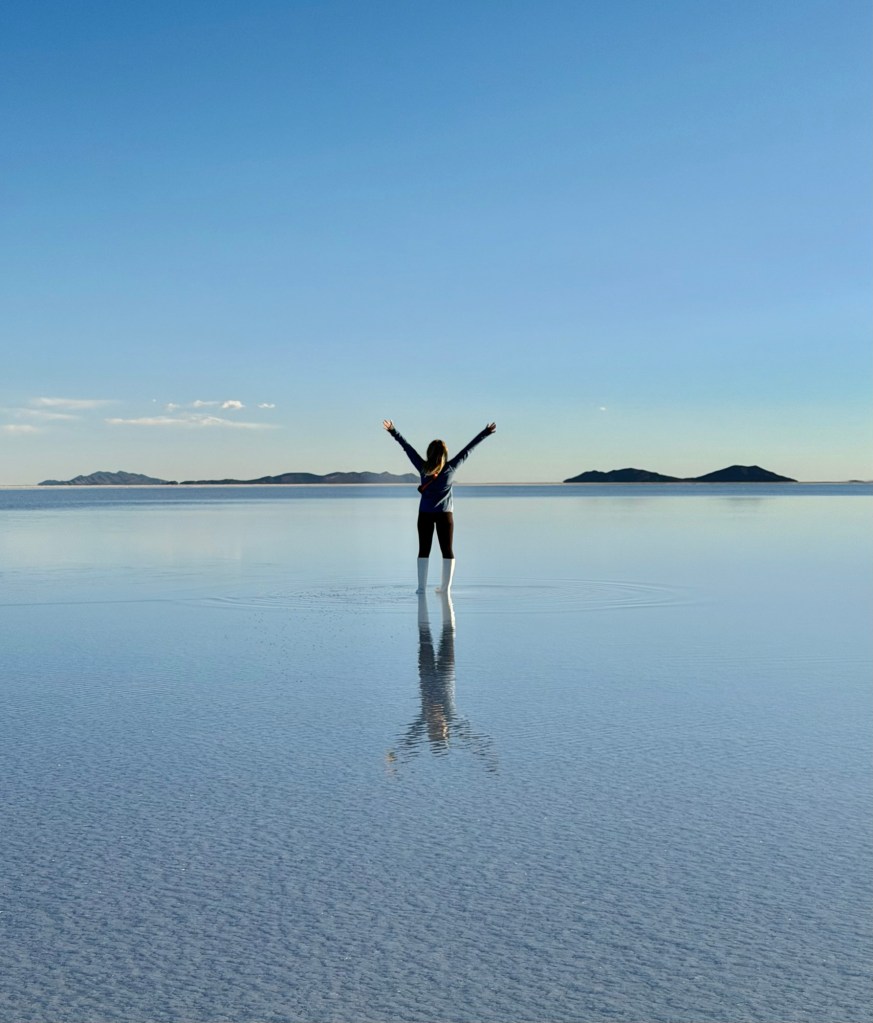
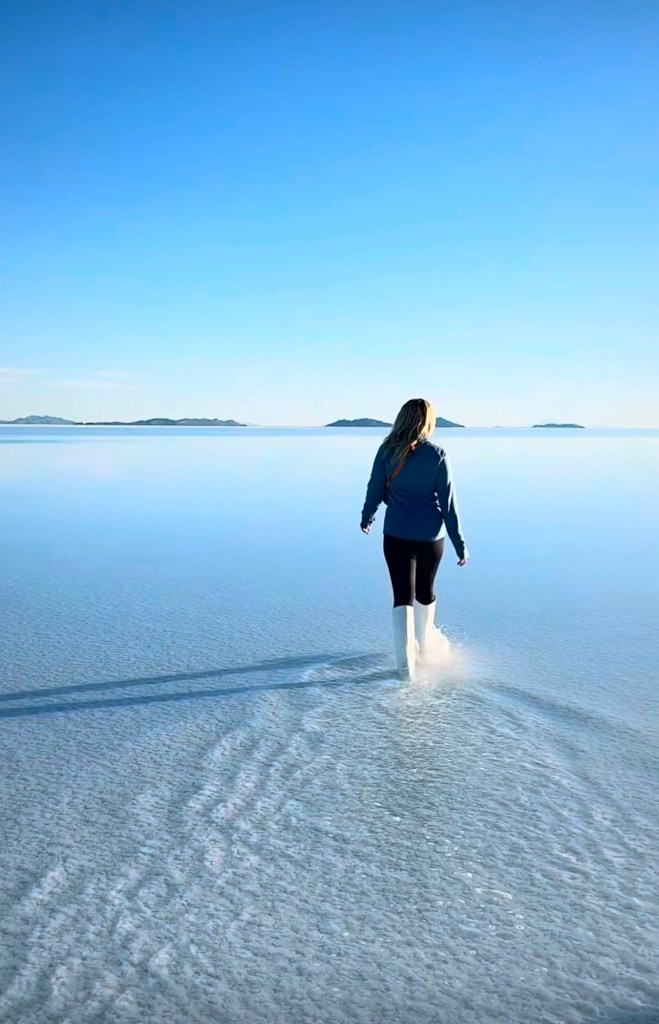
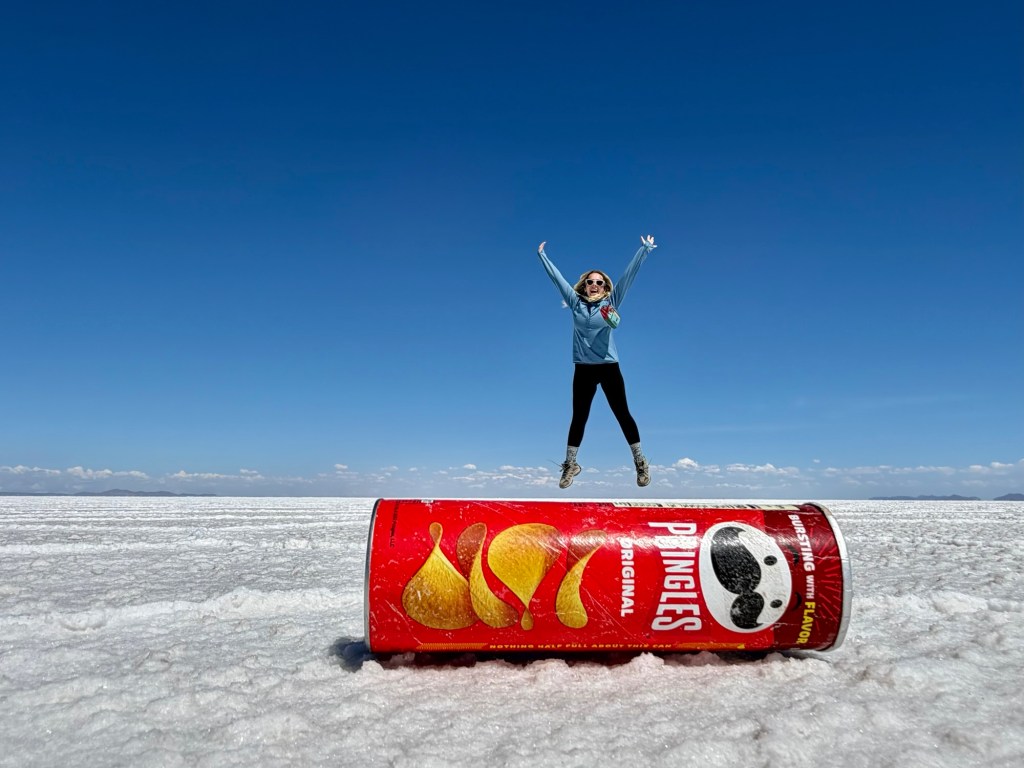
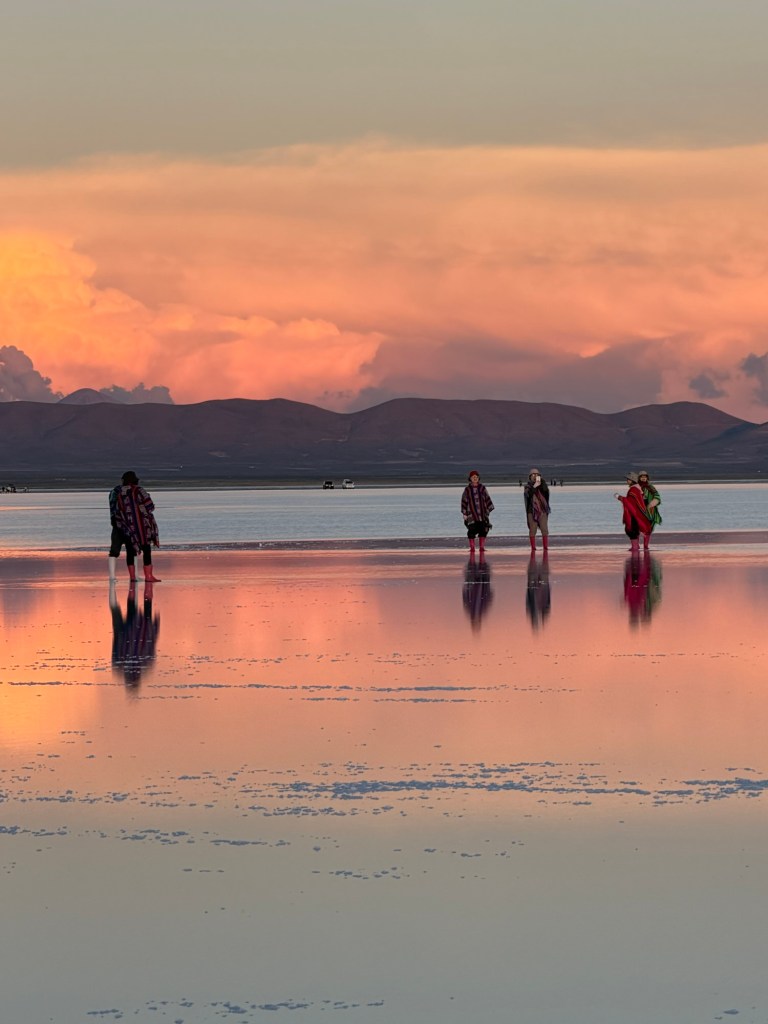
They handed out glasses of red wine and banana chips—both very appreciated. I had two glasses, which felt justified considering I was about to start a new job in less than a week. It was one of the best days of the entire trip.
The overnight ride back was much easier this time. I was so exhausted that I actually slept. We got back around 6 a.m., and I stepped off the bus into La Paz feeling it immediately—the altitude, the lack of sleep, everything. I walked uphill (which in La Paz is not casual, it’s a full workout) trying to find somewhere that would let me check in early. Breathless and carrying my entire life on my back. I’m lowkey pissed I didn’t just stick it out until 3pm to check into the hostel I had on HostelWorld so I could have the Bolivia stamp on my profile, but I was so freaking exhausted and needed a place to sleep asap.
Eventually, I found Bolivian Heights Hostel, one of the only places that would take me before check-in hours. I canceled my Wild Rover reservation—goodbye, potential Hostelworld sticker, it just wasn’t happening.
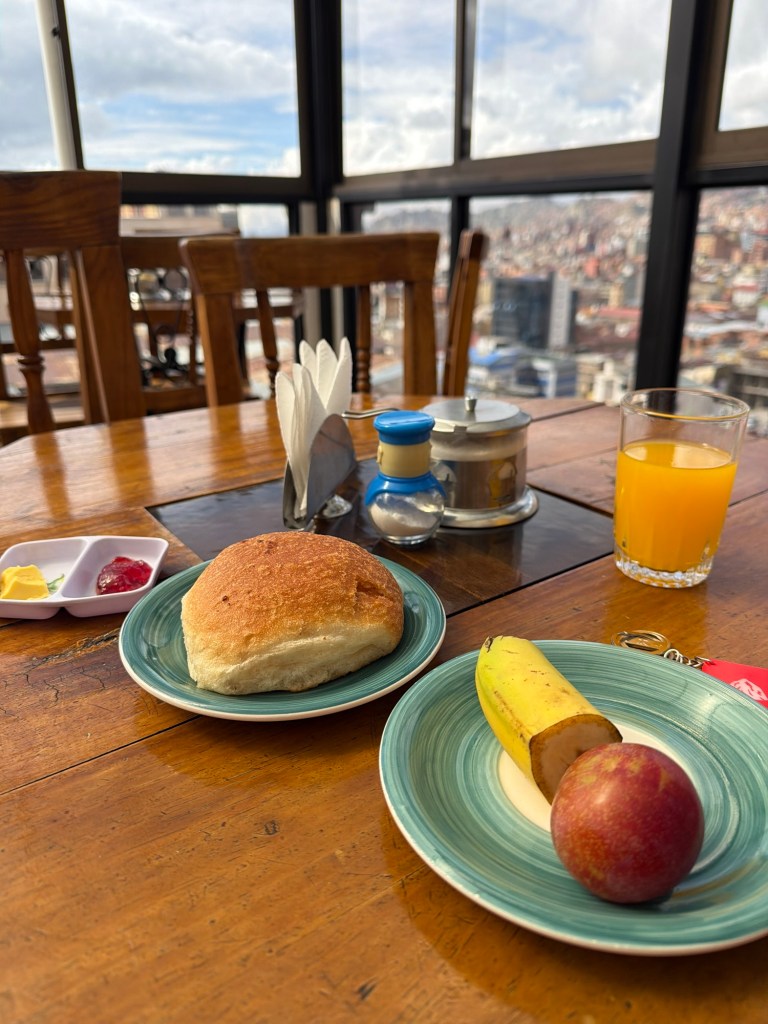
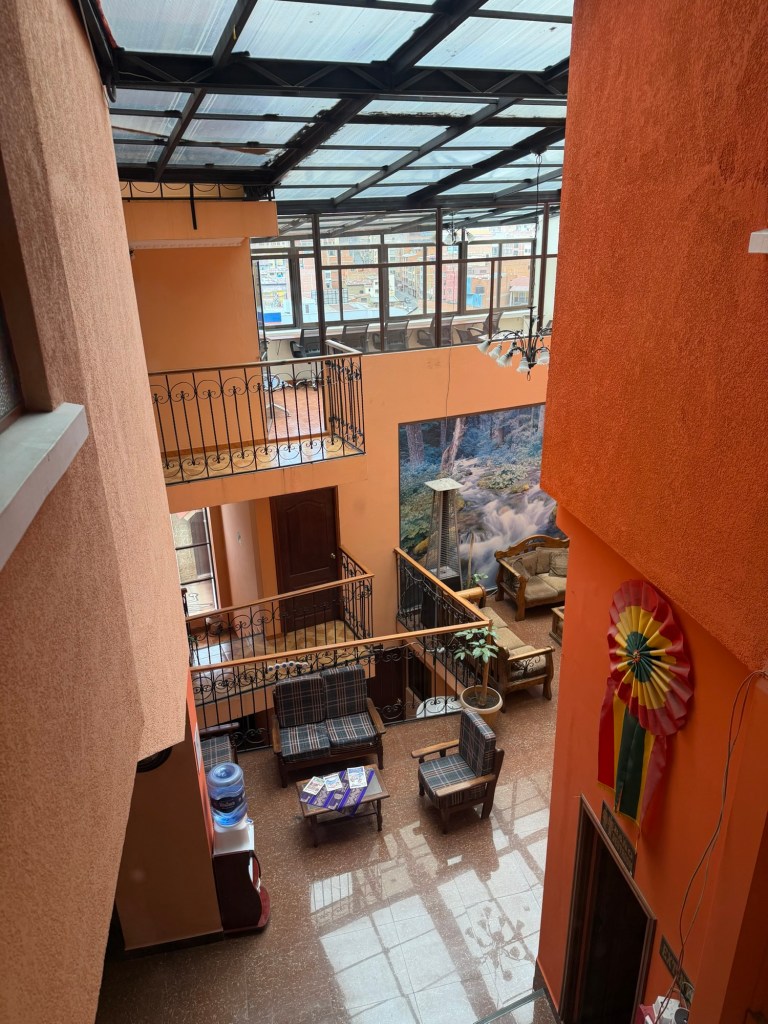
The hostel itself ended up being a great find. It overlooked the city, with views of La Paz spilling down the mountainside and the cable cars running overhead. Those cable cars are one of the main ways people get around the city, which makes sense once you see how steep everything is.
Breakfast was included—juice, coffee, scrambled eggs with ham, bread, fruit. and after the chaos of the past 24 hours, it was a small luxury. The rooms and showers were clean, though the lock on my door didn’t work, so I did what I’ve apparently made a habit of and locked my bag to my bed.
After getting some rest, I headed out to the Witches’ Market, where I was picked up for a cholitas wrestling match and was suggested by a friend I made while traveling in Nicaragua. Cholitas wrestling is a performance where Indigenous Aymara women—dressed in traditional skirts, braids, and bowler hats—compete in a mix of staged wrestling and theatrical storytelling. It’s dramatic, loud, and doesn’t take itself too seriously. You even get a little keychain to bring home!
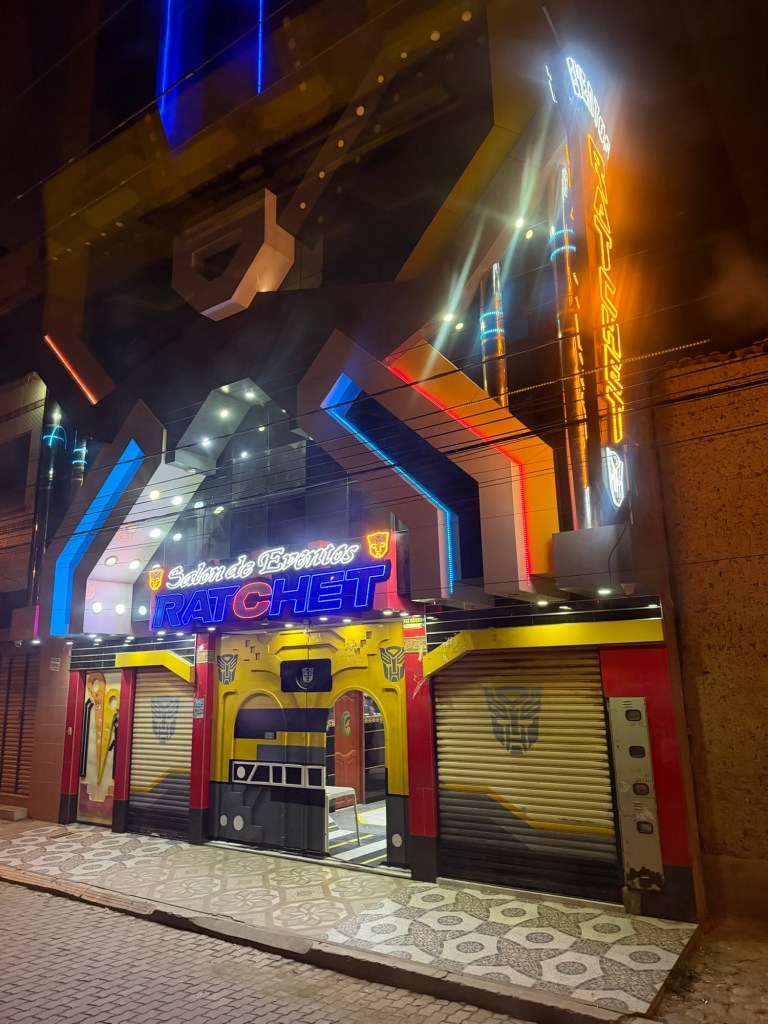
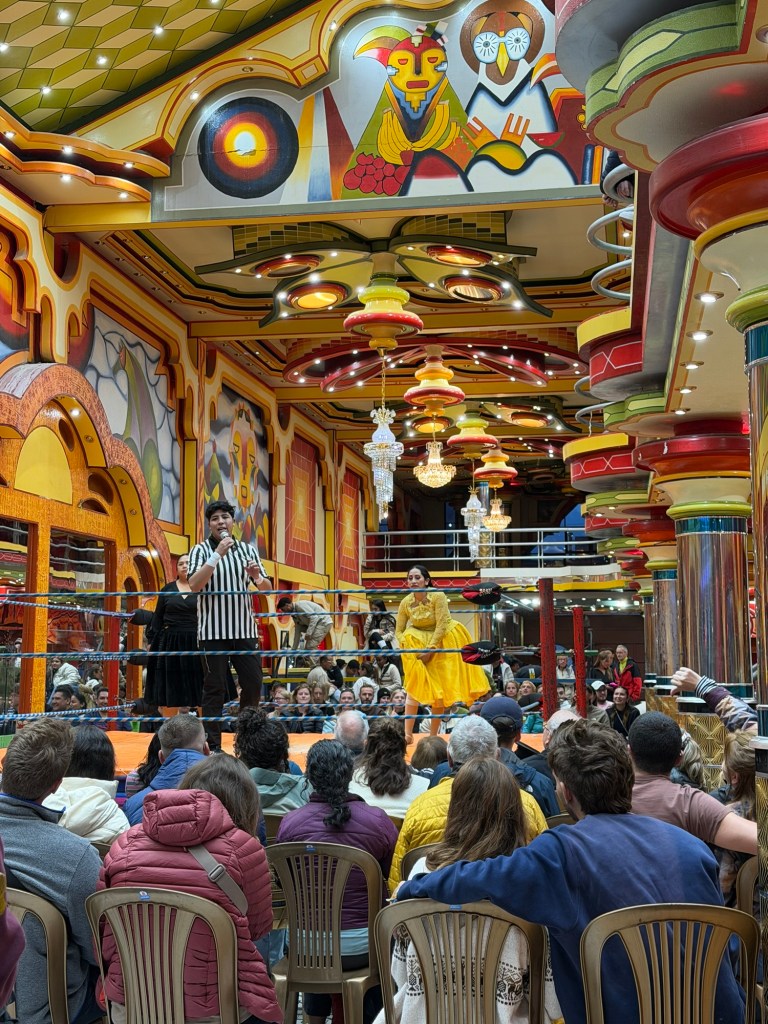
I booked it through GetYourGuide for about $25, and it included transportation, popcorn, and a soda. You definitely have to lean into it, but once you do, it’s incredibly entertaining. There was a lot of audience participation, and the energy in the room made it even better.
Afterward, I met up with Sam—the same guy who had helped me get to the bus on my first night. He walked me through La Paz at night, including the Witches’ Market, pointing out different parts of Bolivian culture, from instruments to traditions I wouldn’t have noticed on my own.
At one point, we realized we both loved The Last of Us, and he even knew of Gustavo, the composer. That alone felt wildly random in the best way.
We ended up getting dinner at a burger spot because it happened to be “burger week.” Naturally, we went for the most questionable option on the menu: the “Enigma Burger,” which is exactly what it sounds like—a mystery. Ours ended up being a double burger with chocolate and marshmallow. It sounds insane. It kind of was. But somehow… it worked.
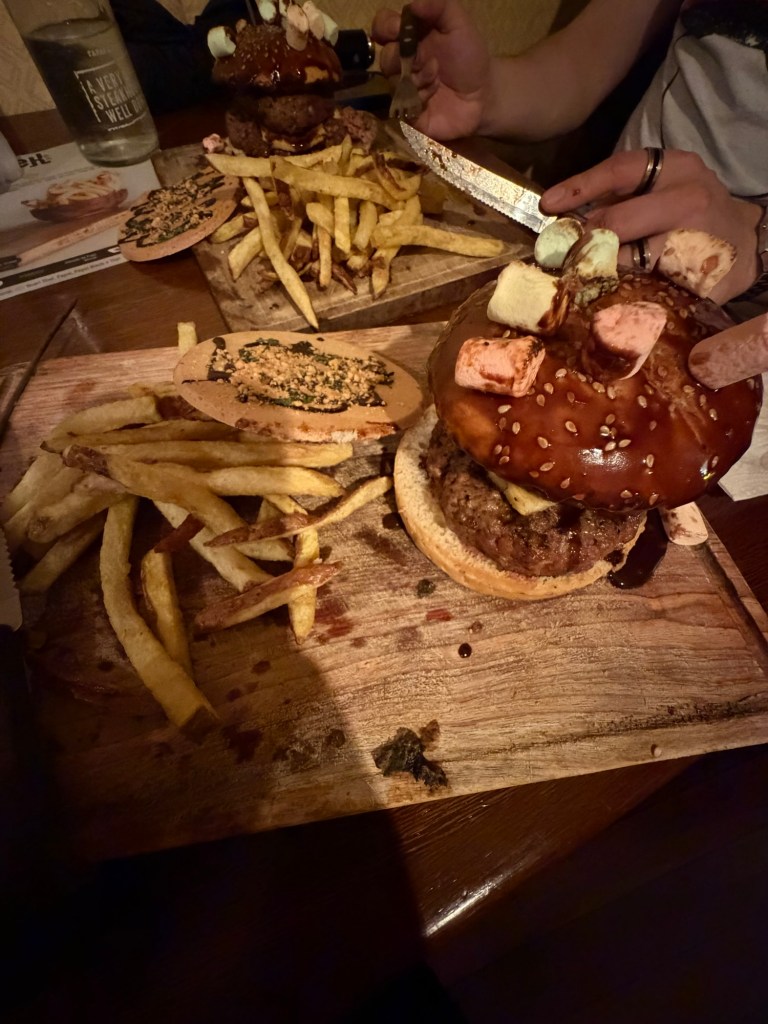
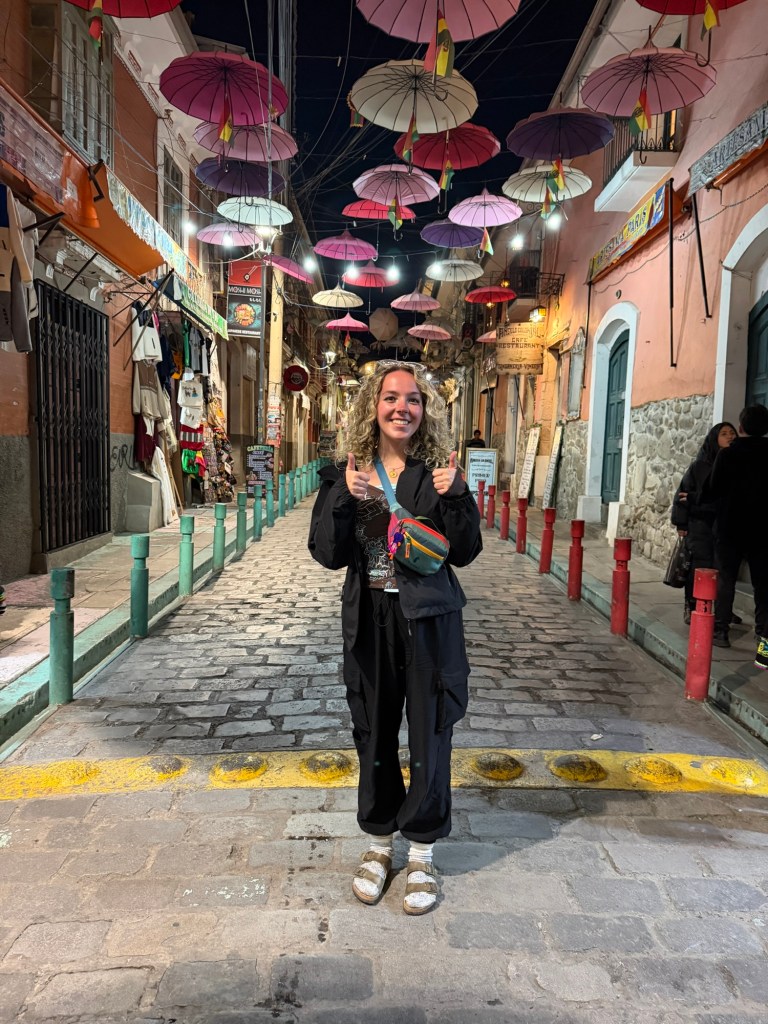
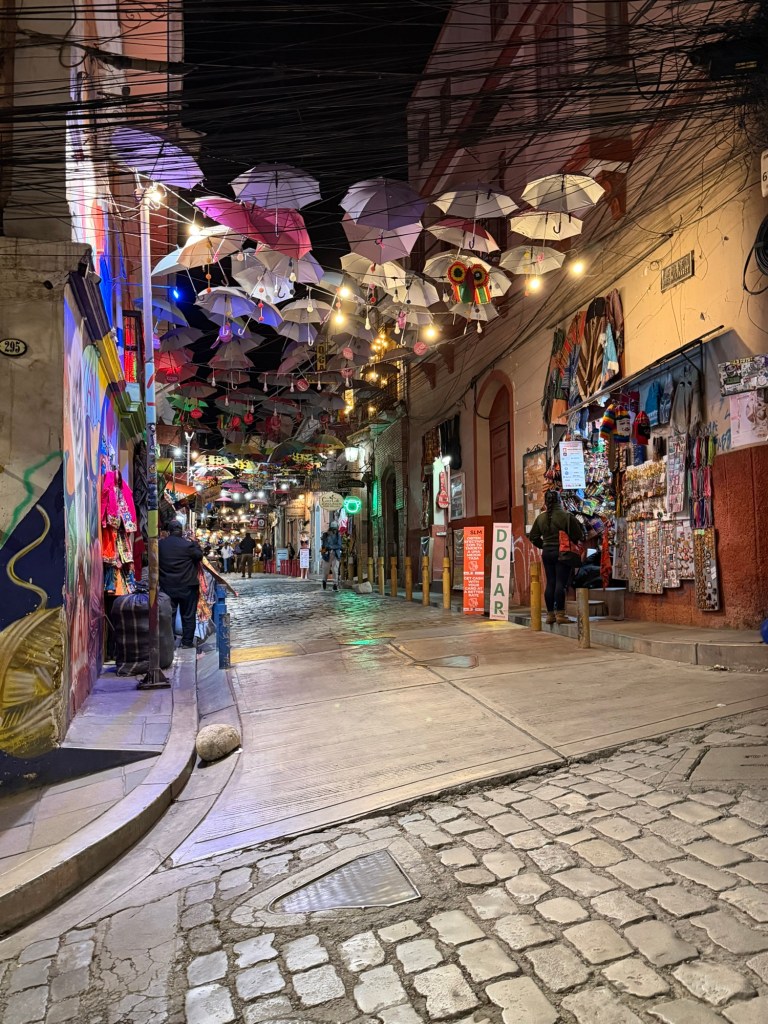
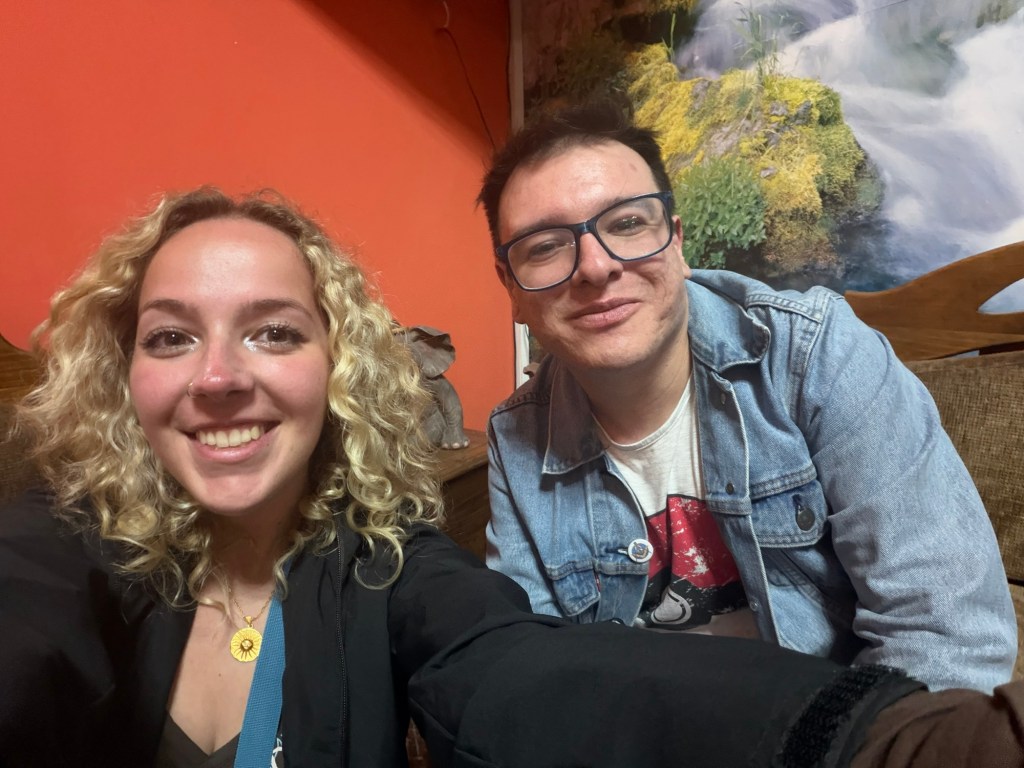
It was one of those nights where you find simple beauty in the art of sharing stories, learning about someone else’s life, their music, their culture, and realizing how far you are from home.
Looking back, I don’t think you need more than a week in Bolivia. I’ve heard mixed opinions, with some people saying it’s only worth visiting for Uyuni, which I understand. I did enjoy La Paz, but realistically, most people pass through it to get to the salt flats unless they’re taking a much more expensive and less frequent flight directly to Uyuni.
Both Machu Picchu and Uyuni were incredible, but they are not easy to get to. Getting there takes time, energy, and complicated logistics that people don’t always talk about. I found myself thinking a lot about that idea of “earning” experiences—earning them through the effort, the exhaustion, and everything it took to get there. I think that’s part of what makes them feel so significant.
If I had done the full five-day trek to Machu Picchu, I imagine it would have felt even more powerful. But even without that, standing there was something I won’t forget.
Overall, I loved both countries, but Peru stands out as one of my favorites. Each place I visited there felt completely different from the last. In both Peru and Bolivia, the people were kind, welcoming, and made the experience what it was. In both Lima and Quito, I’d never been so welcomed by locals before. They literally invited me to go out on a weekend trip with them after, but I had to go to Cusco, sadly. Damn you employment and preventing me from my sidequests.
My journey home had layovers in Bogotá and Fort Lauderdale. It sounds like a lot, but it actually broke things up nicely. I met up with a friend I ended up meeting in Ecuador and got to explore a bit instead of sitting in FLL. I love meeting up with people I’ve met while traveling, as well as hosting in Philly. Reminds me of how connected we all are, even in our busy lives, all the stories in between. Flying during the day over the turquoise water was a highlight I didn’t expect to need as much as I did 🙂 Side note, the snacks on the flight to Colombia were so banging
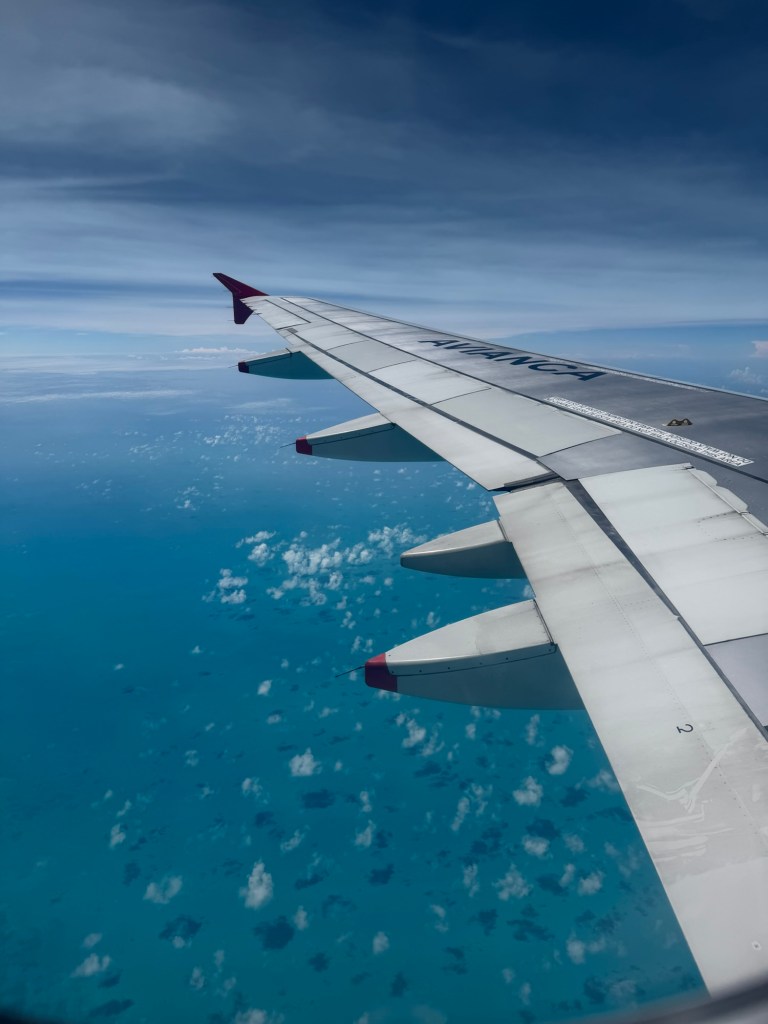
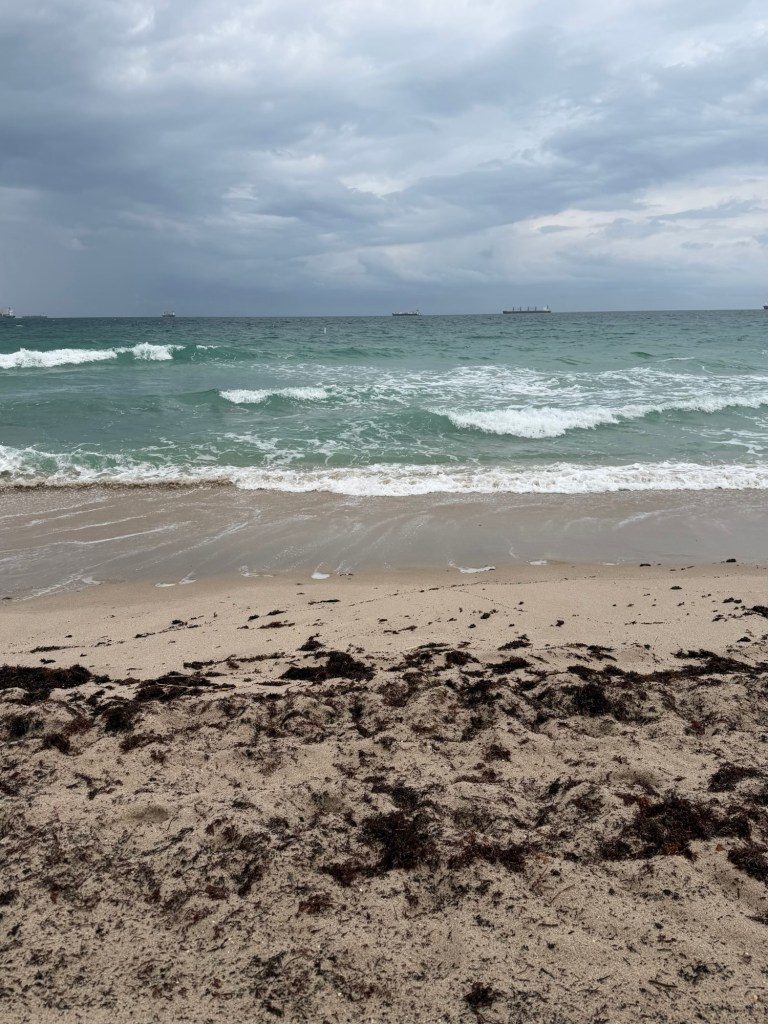
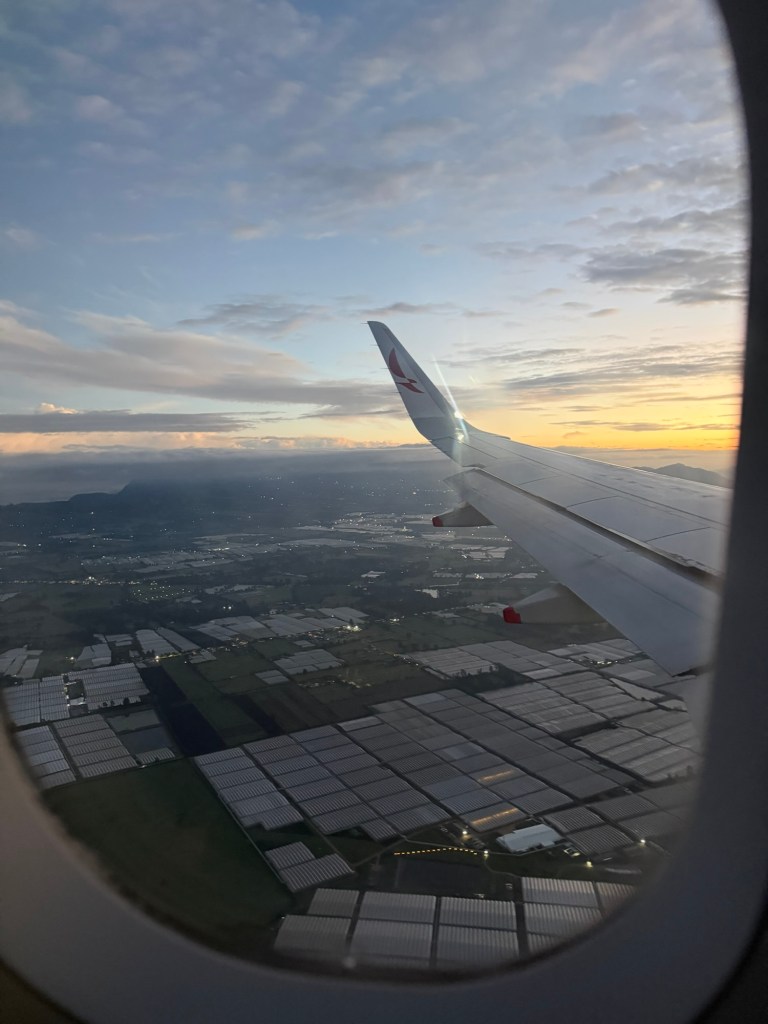
This was my longest backpacking trip so far, and coming back, I definitely felt that post-trip drop. I met so many people, experienced so much in a short amount of time, and kept pushing myself for the sake of the experience.
I said that phrase constantly on this trip: “for the experience.” And it’s true. One of the girls I met on the train from Machu Picchu said my favorite quote: everything is a win when the goal is to experience. Good or bad, everything leads somewhere.
If I hadn’t been laid off, I wouldn’t have had the ability to take this trip. I wouldn’t have been in the waves of Miraflores, in the mountains of Machu Picchu, or standing in the middle of the salt flats in Bolivia. Not only those big moments, but even little moments I appreciate such as eating popsicles with locals on the beach in Lima, feeling tired on a bus ride back, or smoking cigarettes in a dive bar. Those were all consequences of something I thought would only lead to more loss. While I did lose something, it made space for new things to fill in that gap.
For context, I first learned about the salt flats from a random one-a-day travel calendar in my office. It felt so far away at the time, like something I’d maybe see years down the line, if ever. Being there felt surreal. Seeing the lucrative cost of flying there diverted me, but since I was already in Peru, the cost was substantially lower.
This trip was exhausting, unpredictable, and at times uncomfortable. But it was also full of moments I’ll carry with me for the rest of my life—conversations, laughter, challenges, and everything in between.
 Where The Wind Takes Me.
Leave a comment