
In January 2020, I had the incredible opportunity to study abroad in Myanmar, and it remains one of the most transformative experiences of my travels. During my time there, I explored the cultural and historical richness of the country, visiting vibrant cities like Mandalay, Yangon, Nay Pyi Taw, and Kalaw.
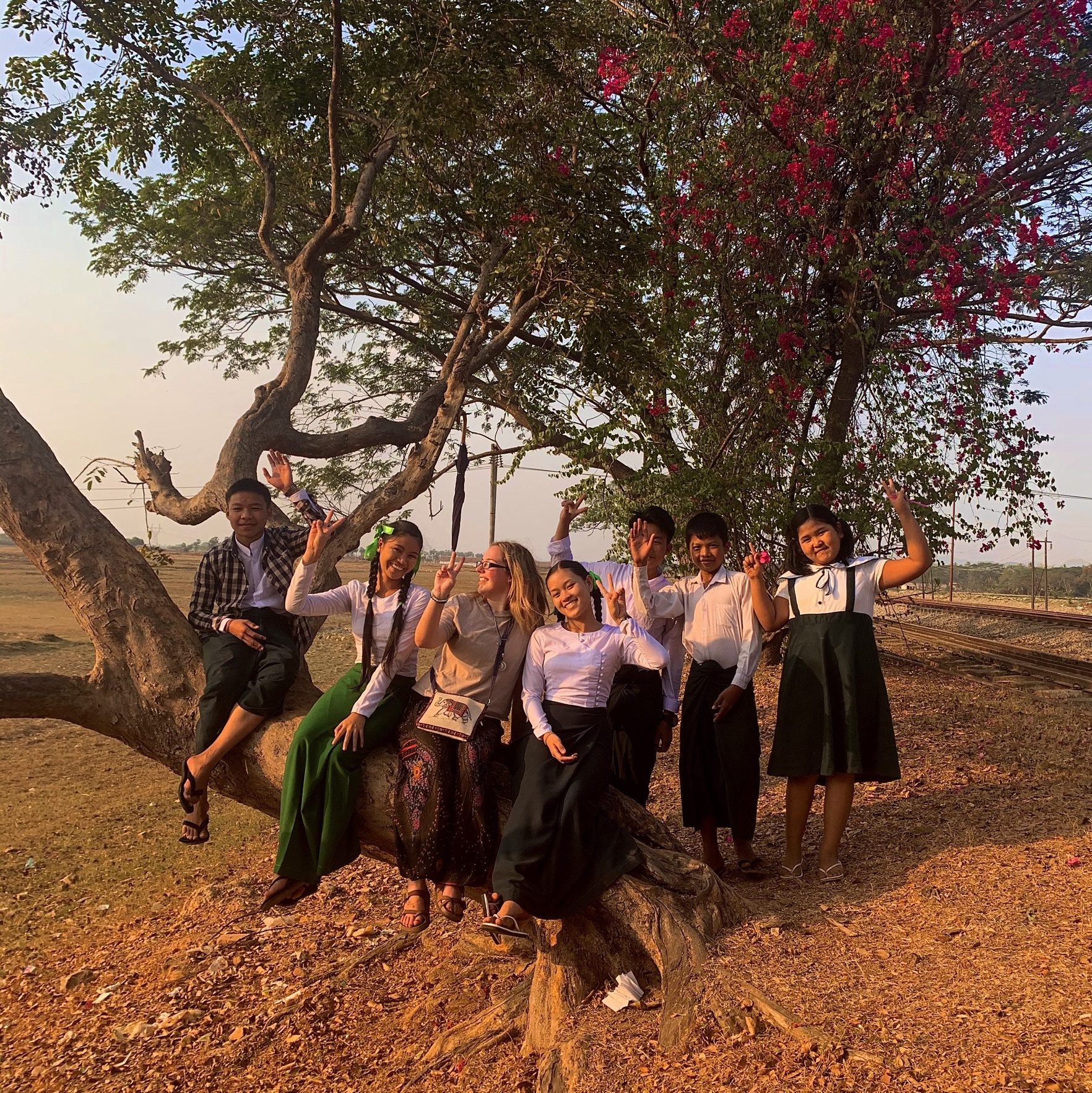
Flying To Myanmar
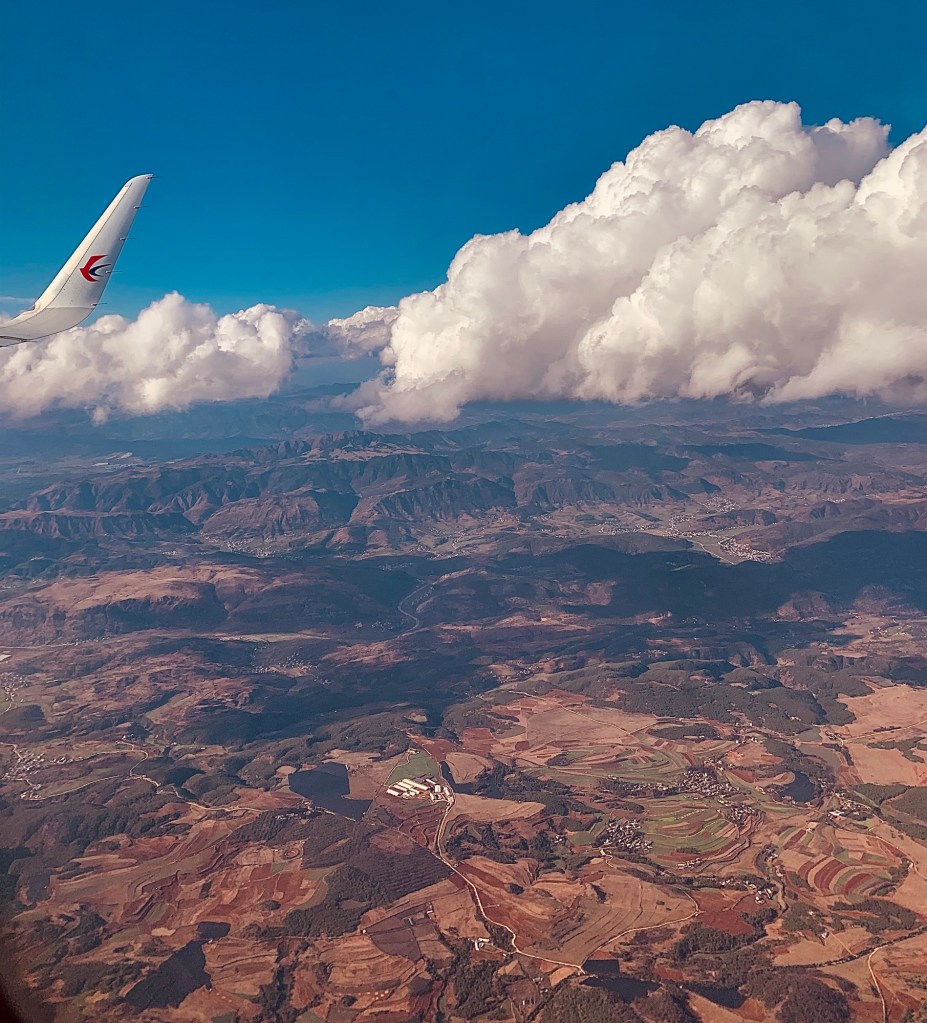
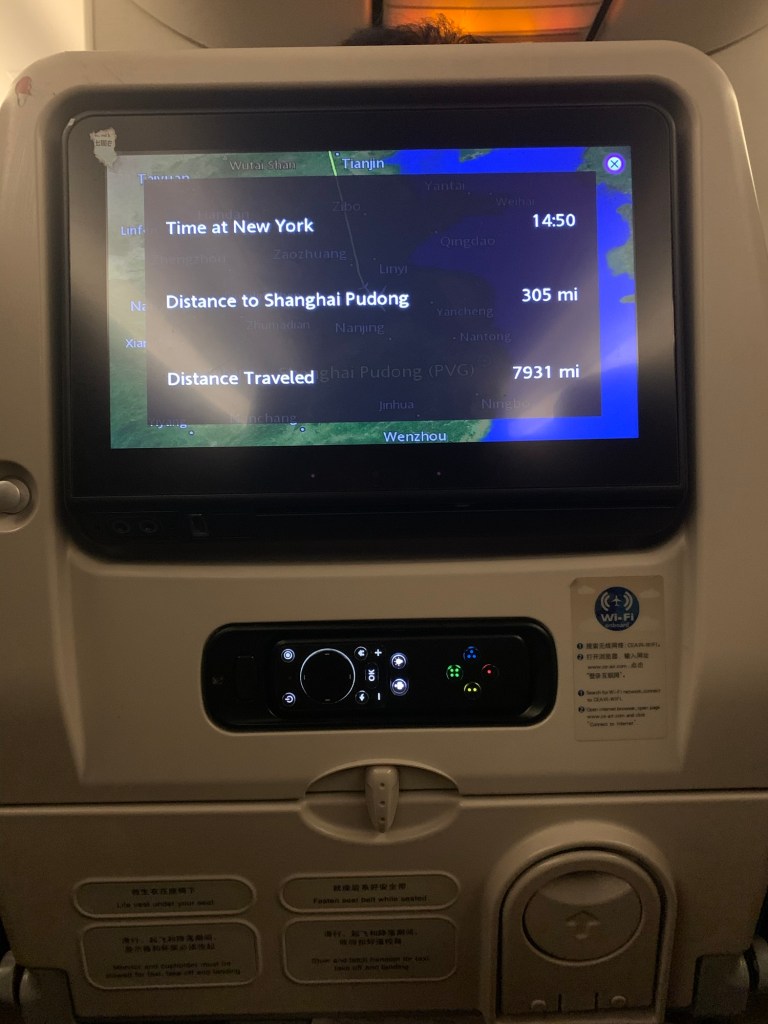
Getting to Mandalay was a marathon. It was four flights in total, including three in China, and endless layovers. It was brutal, but completely worth it.
As a 19-year-old, I wasn’t the smartest. Not wanting to be awake during the long Shanghai flight, I took too many sleeping pills and passed out on my hand for so long that I still have nerve damage from it. Definitely learned my lesson!
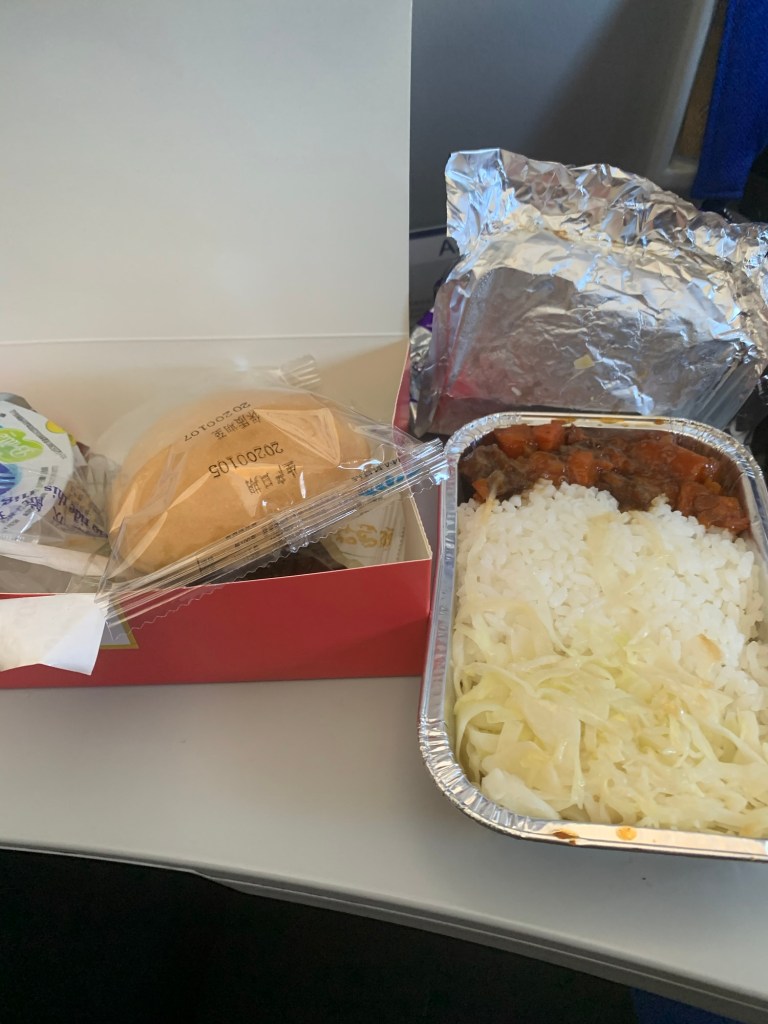
On the upside, the airplane food was surprisingly good, it was filling, flavorful, and the best I’ve ever had on a flight. By the time we landed, I was absolutely exhausted, but stepping into Myanmar for the first time made it all worthwhile.
Mandalay
Mandalay was where we first delved into Myanmar’s deep spiritual roots, with ancient temples and the awe-inspiring Mandalay Hill offering panoramic views of the city. First, we visited U-Bien bridge, which is the worlds largest teak bridge.
U-Bien Bridge
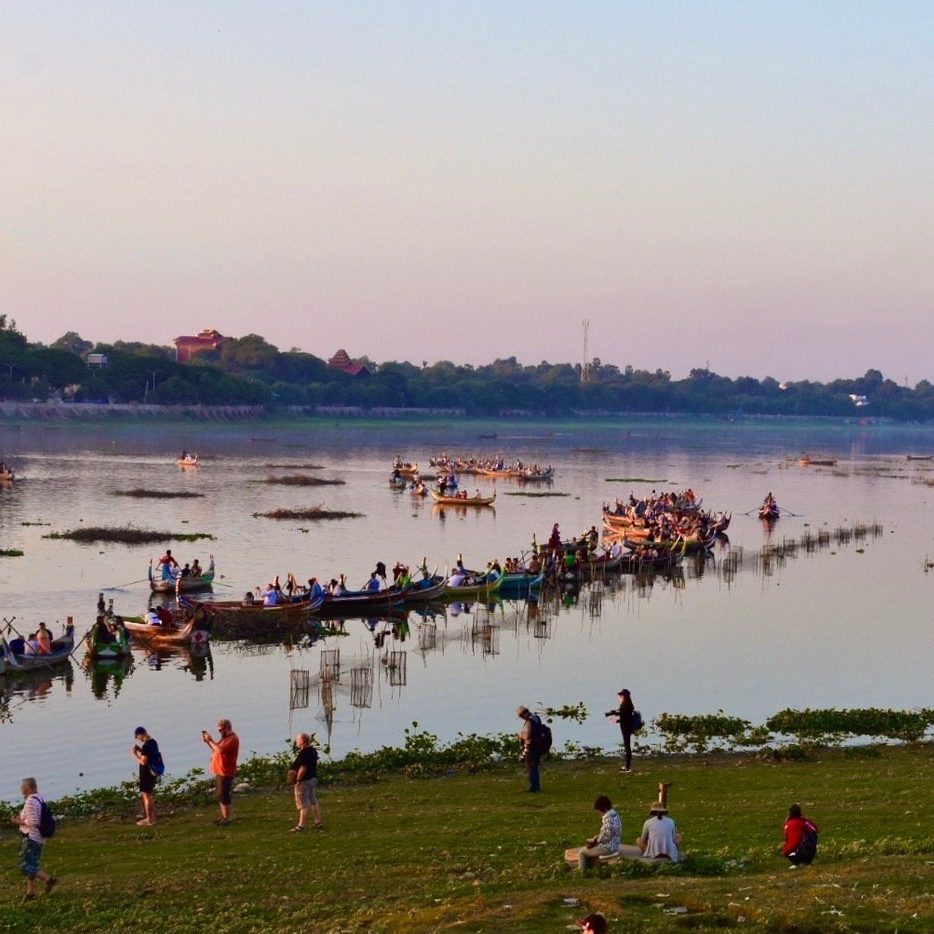
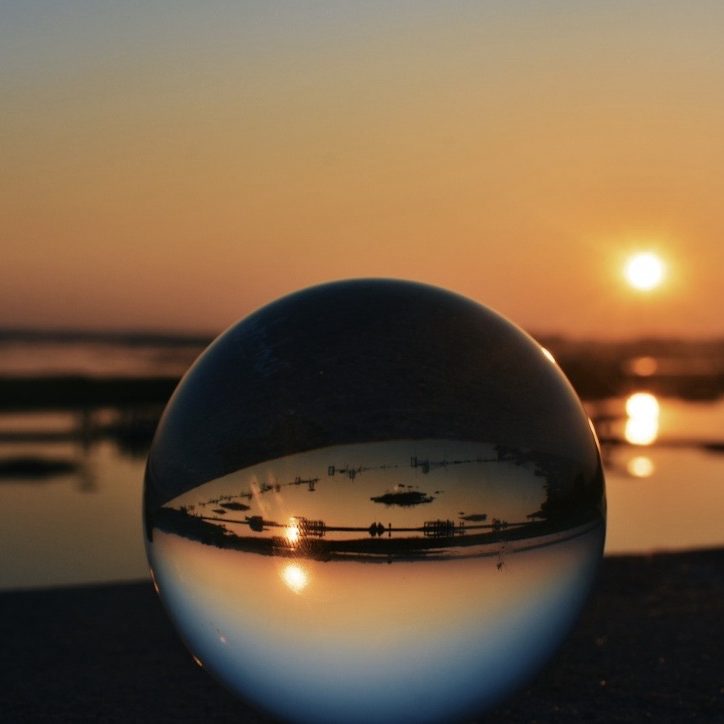
Stretching over Taungthaman Lake, U Bein Bridge is the world’s longest and oldest teakwood bridge, spanning 1.2 kilometers. Built in the 19th century using reclaimed teak from a former royal palace, the bridge has stood the test of time, serving as both a vital crossing and a gathering place for locals and travelers alike.
As we stepped onto the weathered planks, the soft creaking beneath our feet was a reminder of the bridge’s age and resilience. Monks in deep red robes strolled past us, their silhouettes striking against the setting sun. Fishermen cast their nets from wooden boats below, while vendors on the bridge sold snacks and souvenirs. The air smelled of fresh fruit and fried snacks, mingling with the earthy scent of the lake.
Halfway across, we paused to take in the view. The golden glow of dusk reflecting on the water as boats gently passed, turning the lake into a shimmering mirror. Despite the bridge’s fame, there was a quiet serenity to it, a reminder that it wasn’t just a tourist attraction but a living part of Myanmar’s daily life.
As the sun dipped below the horizon, casting long shadows on the water, I thought about how Bein Bridge wasn’t just a crossing; it was a place where history, culture, and everyday moments intertwined.
Kuthodaw Pagoda
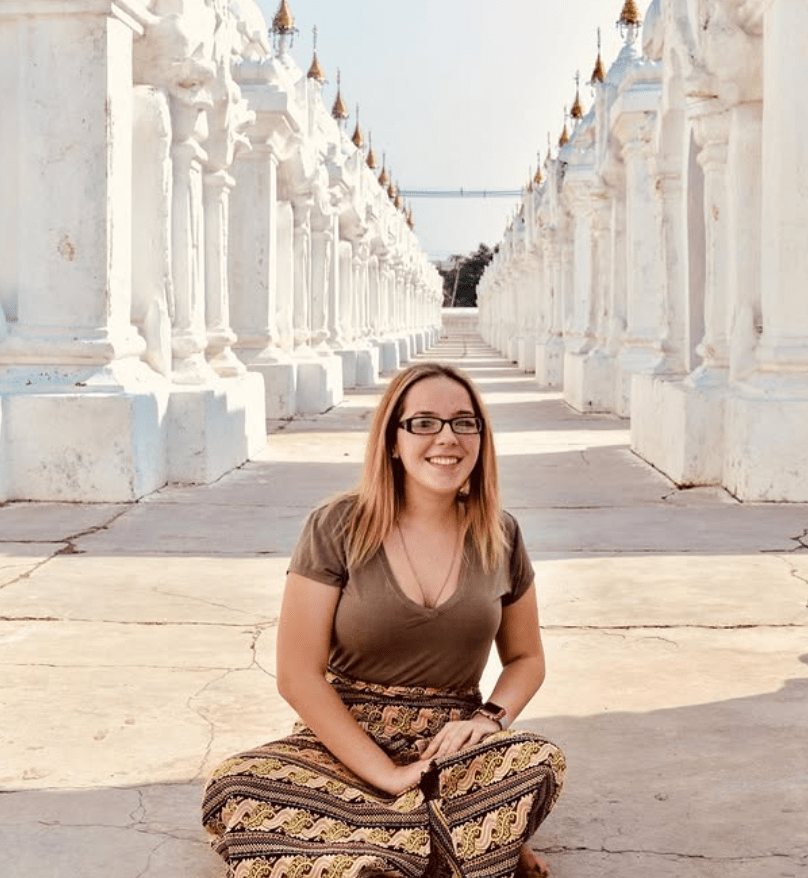
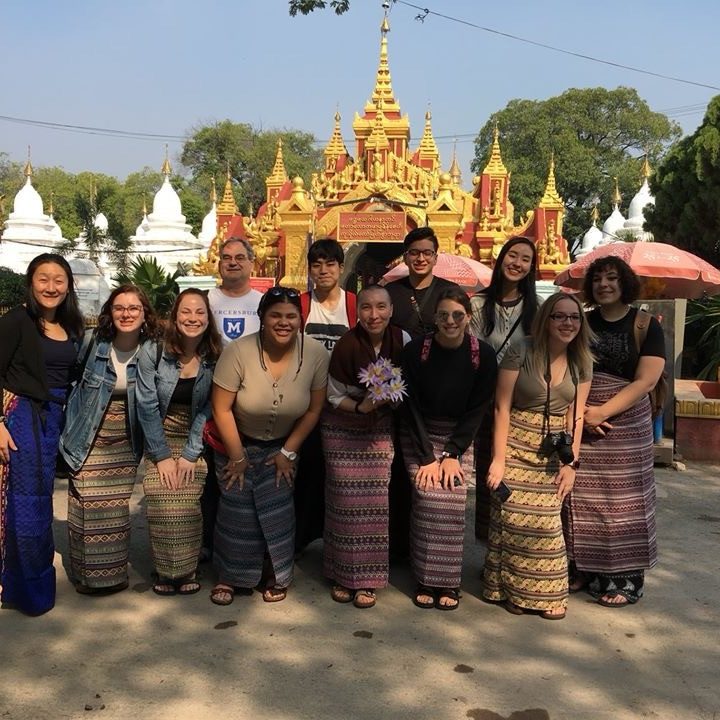
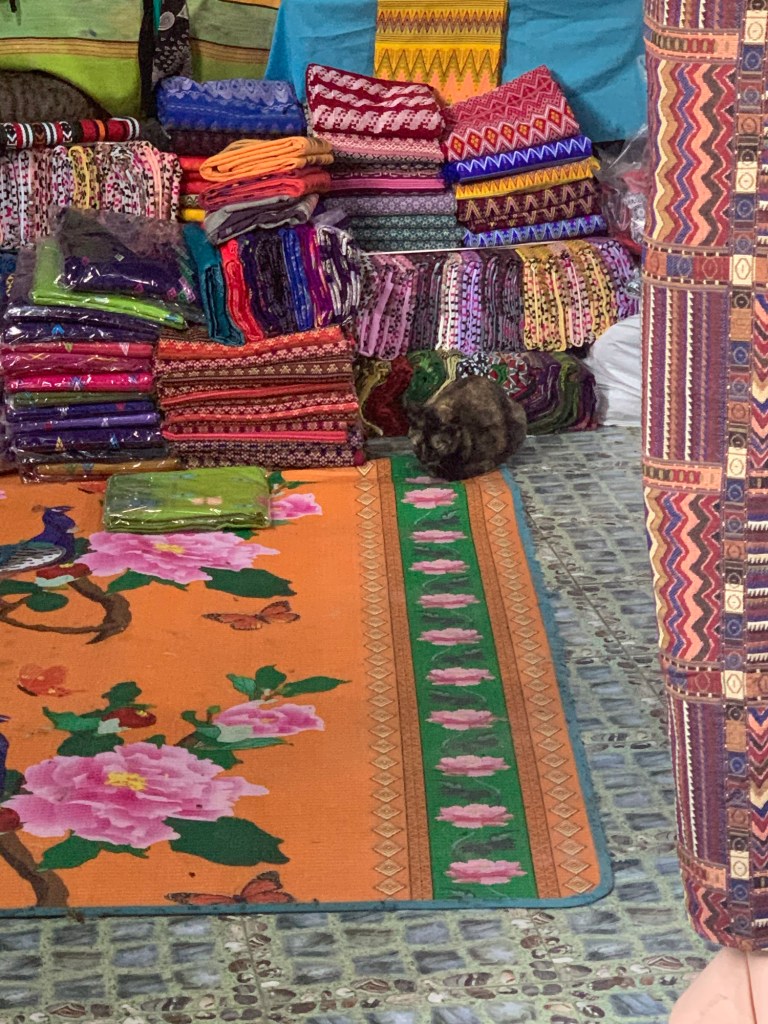
Nestled at the foot of Mandalay Hill, Kuthodaw Pagoda is one of Myanmar’s most unique religious sites. Built in 1868 under the reign of King Mindon, it is best known for housing the world’s largest book. 729 marble slabs inscribed with the entire Tripitaka, the Buddhist scriptures. Each slab is housed in a small white shrine, creating a mesmerizing grid of history and devotion. Reading the entire text aloud would take over a year, highlighting the sheer magnitude of this sacred literary achievement.
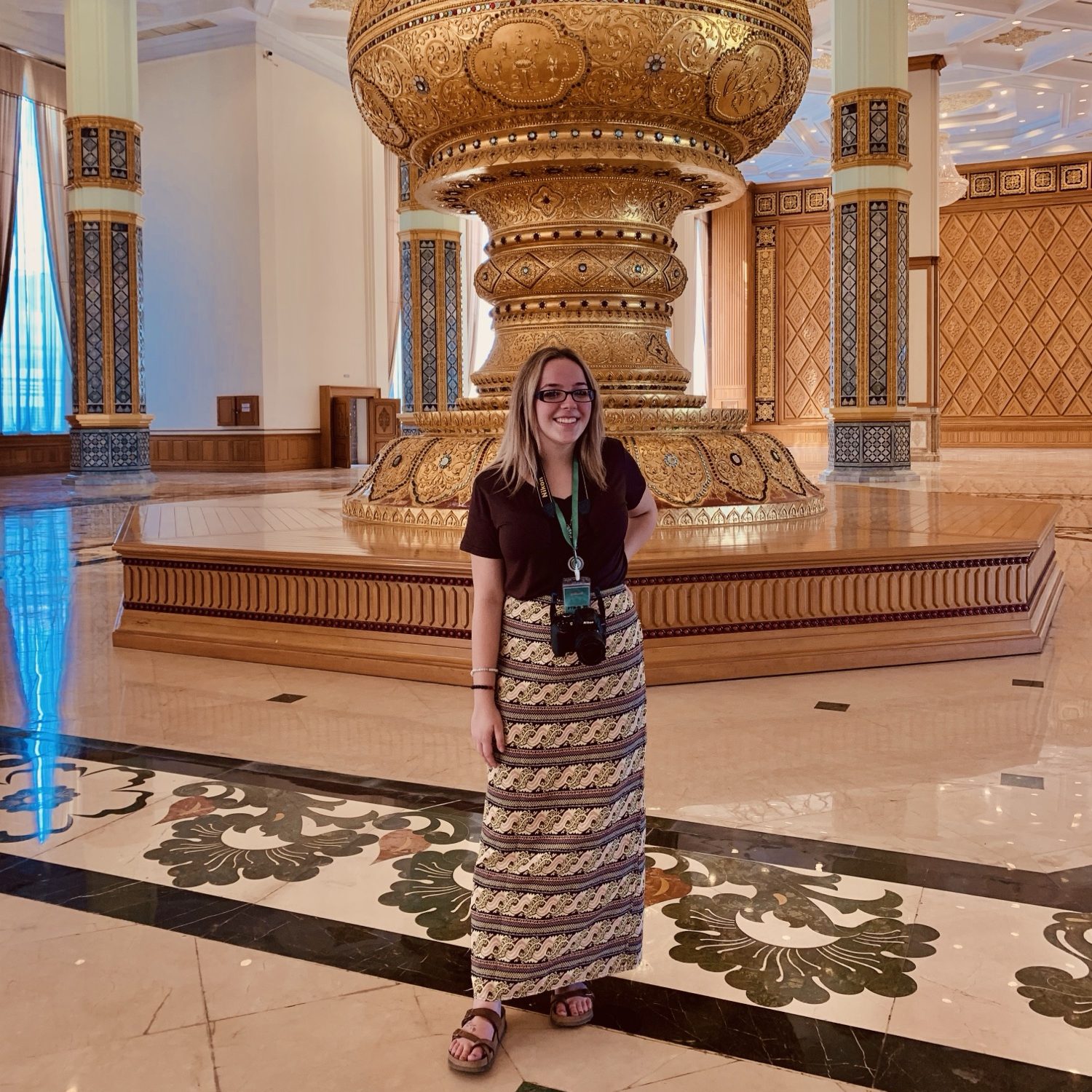
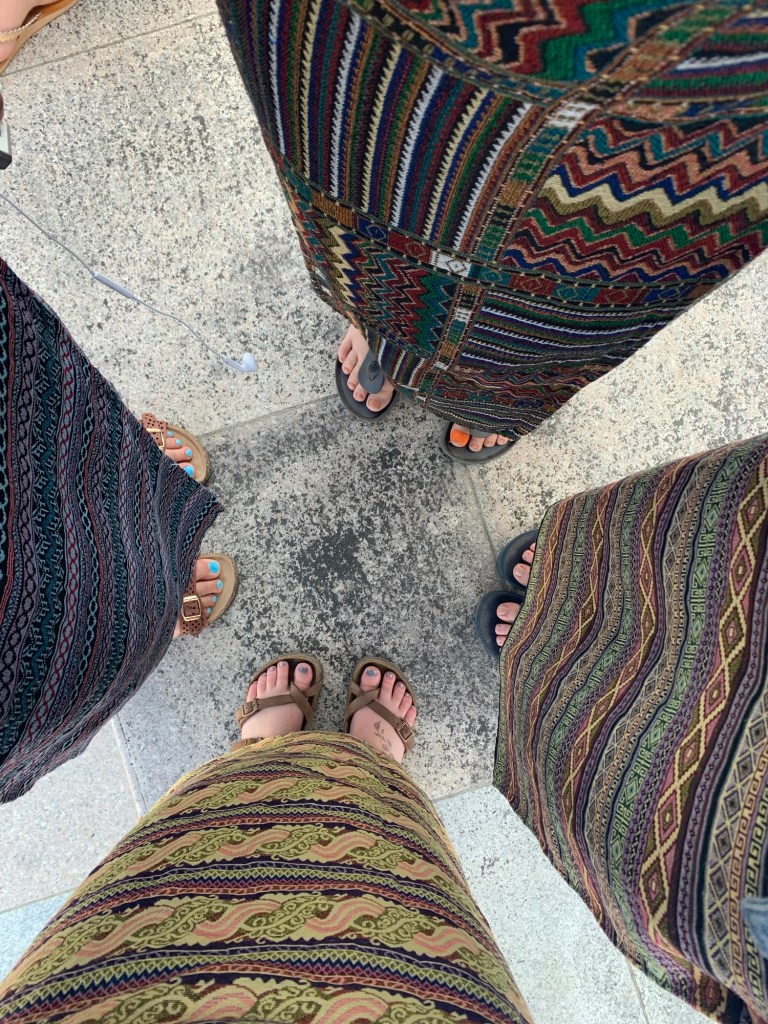
Before entering the temple grounds, our trip leader, a fellow JC student from Myanmar, (You rock, Nandar), introduced us to a cultural tradition: wearing the longyi, Myanmar’s traditional wrap skirt. She patiently demonstrated how to fold, tuck, and knot the fabric securely. While she made it look effortless, my first few attempts fell apart immediately. With a smile, she stepped in, adjusting the knot until it held. Dressed in our longyis, we walked toward the pagoda, feeling a deeper connection to the culture around us.
As we explored, a group of young girls approached with a small dish of thanaka, a pale yellow paste made from ground tree bark. Used for centuries as both sunscreen and skincare, it is commonly worn by locals in elegant, swirling designs. She gently applied the cool paste to my cheeks in delicate leaf patterns, leaving behind a soft, powdery finish. It was my first time wearing thanaka, and I loved how it tied me even closer to Myanmar’s traditions.
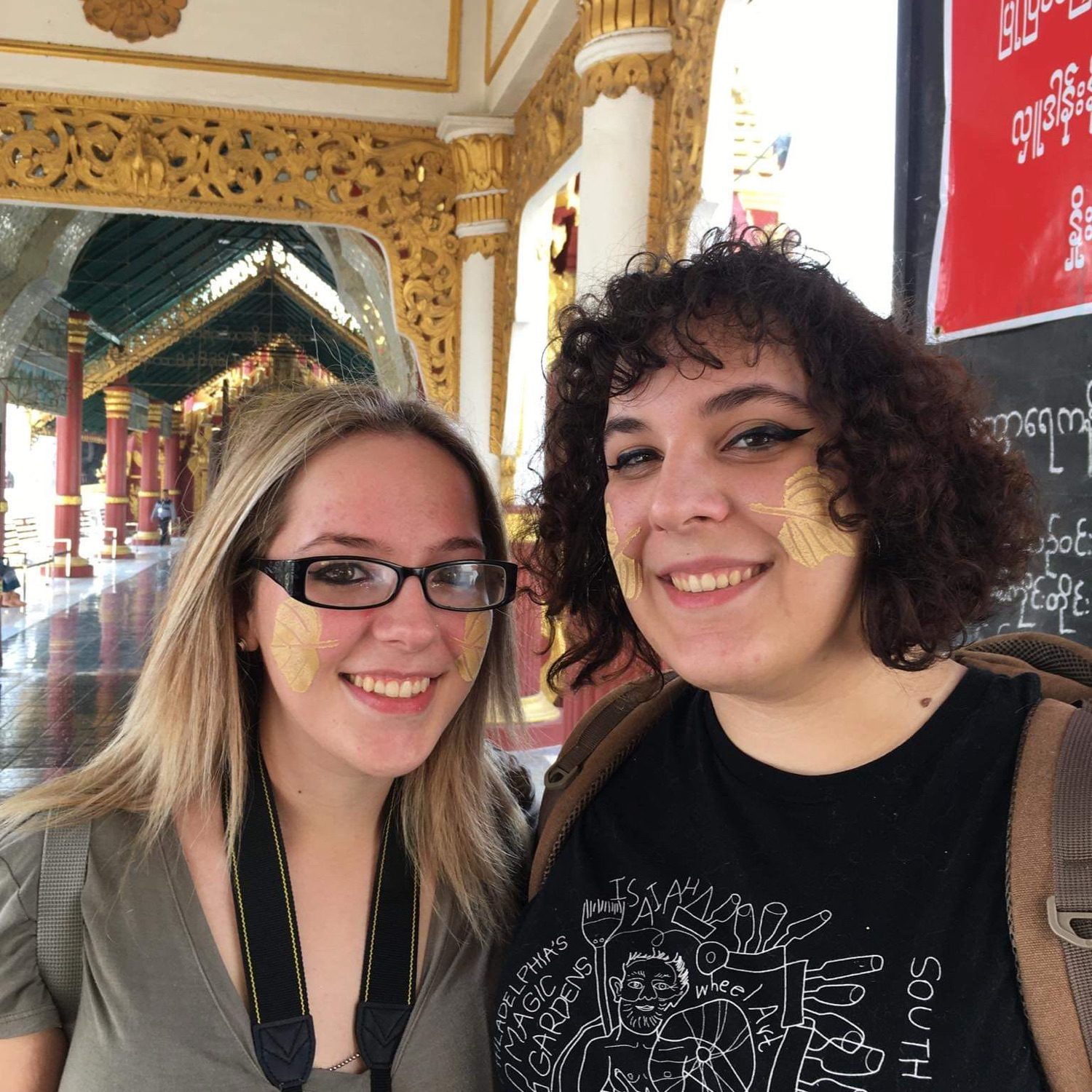
Stray dogs roamed the temple grounds, some sleeping in the shade of the shrines while others curiously followed visitors. Kuthodaw Pagoda is a place where history, faith, and daily life intertwined. From the sacred texts to the traditions passed down through generations, every detail told a story.
Lucky Hotel
During our time in Mandalay, we stayed at Lucky Hotel, located at 152, 84th Street, between 31st and 32nd Streets, placing us close to the city’s center. The hotel offered essential amenities, including an on-site restaurant and concierge services, ensuring a comfortable stay.
Its central location provided easy access to several of Mandalay’s notable attractions. For instance, the renowned Mandalay Palace, a historic royal residence, was just a short distance away. Additionally, the Kuthodaw Pagoda, famous for housing the world’s largest book, was within reach, offering a glimpse into the city’s rich cultural heritage. For those interested in shopping and local markets, the Zegyo Market and Jade Market were also nearby, providing vibrant experiences of Mandalay’s bustling commerce.
Staying at Lucky Hotel allowed us to conveniently explore these sites, immersing ourselves in the history and daily life of Mandalay.
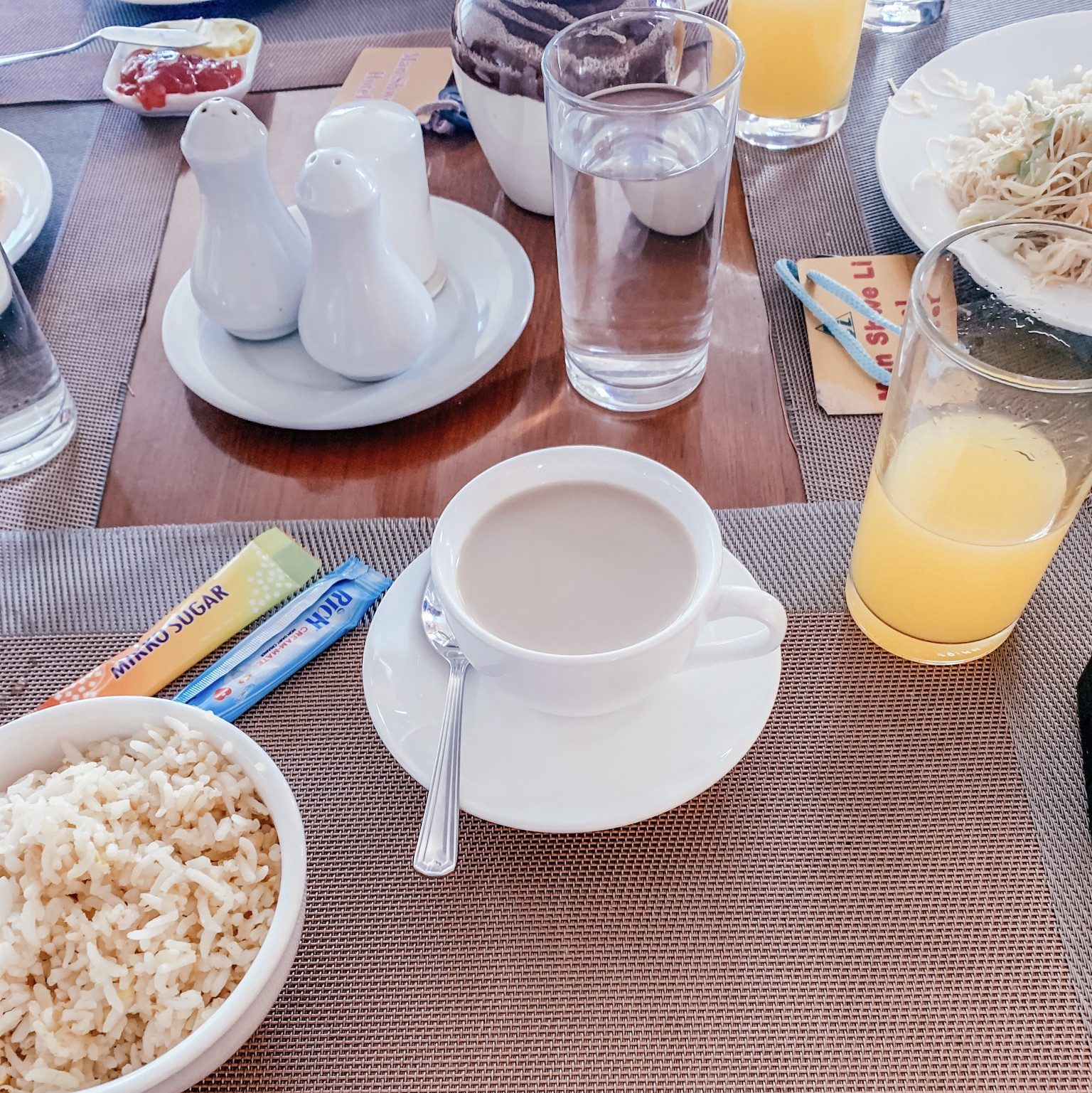
First Meal In Mandalay
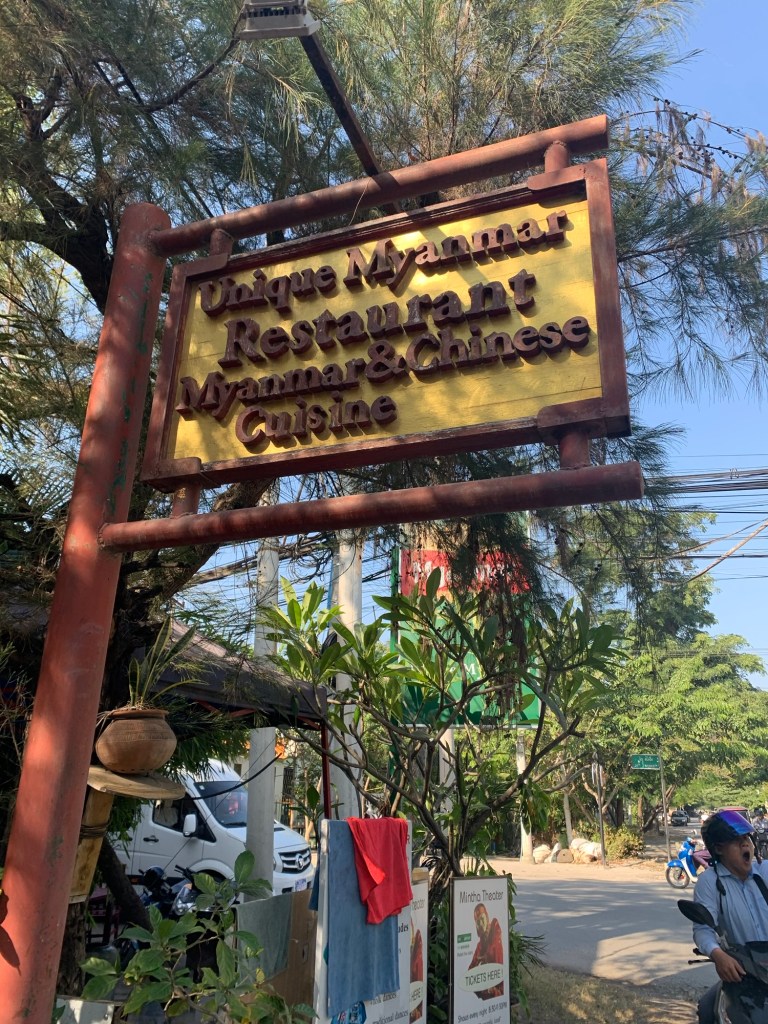
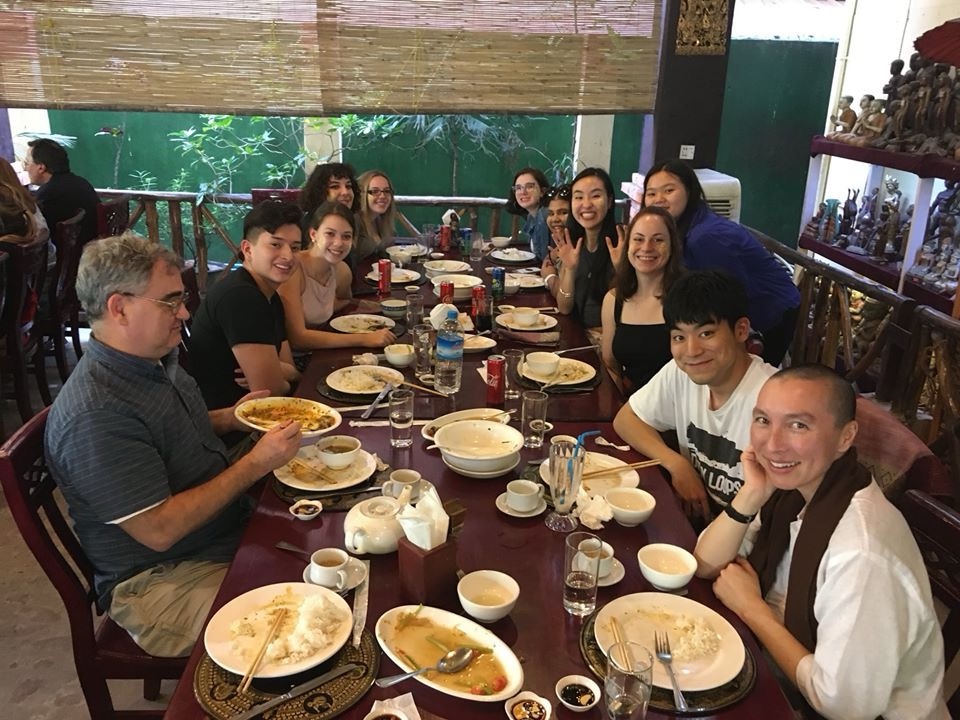
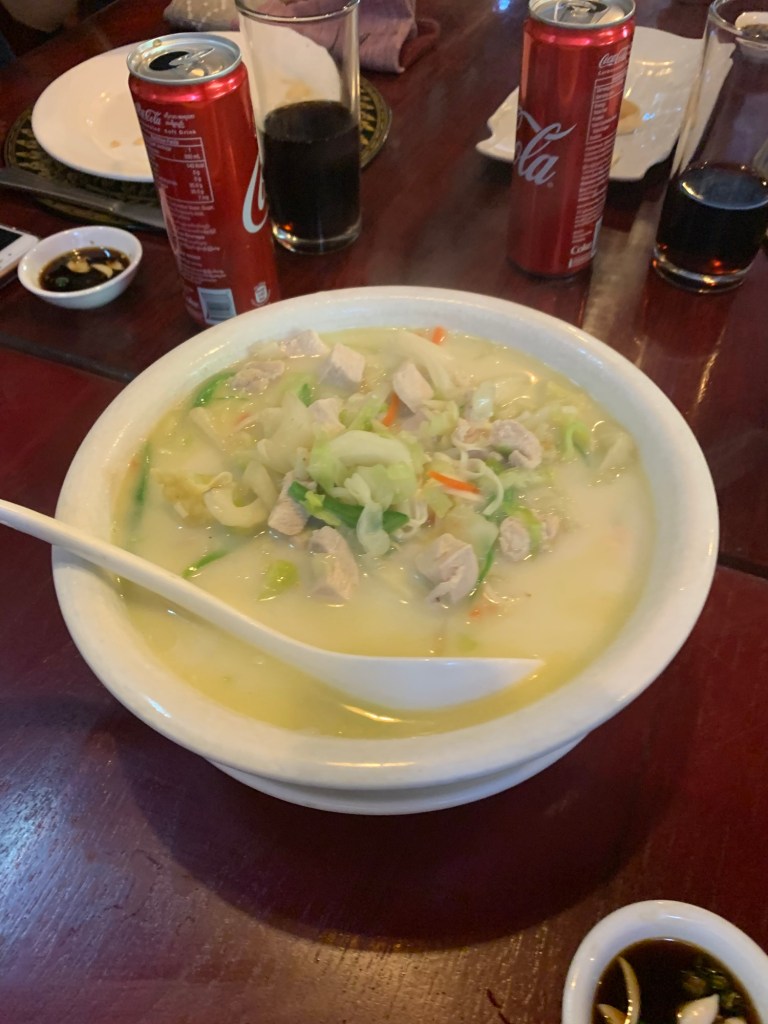
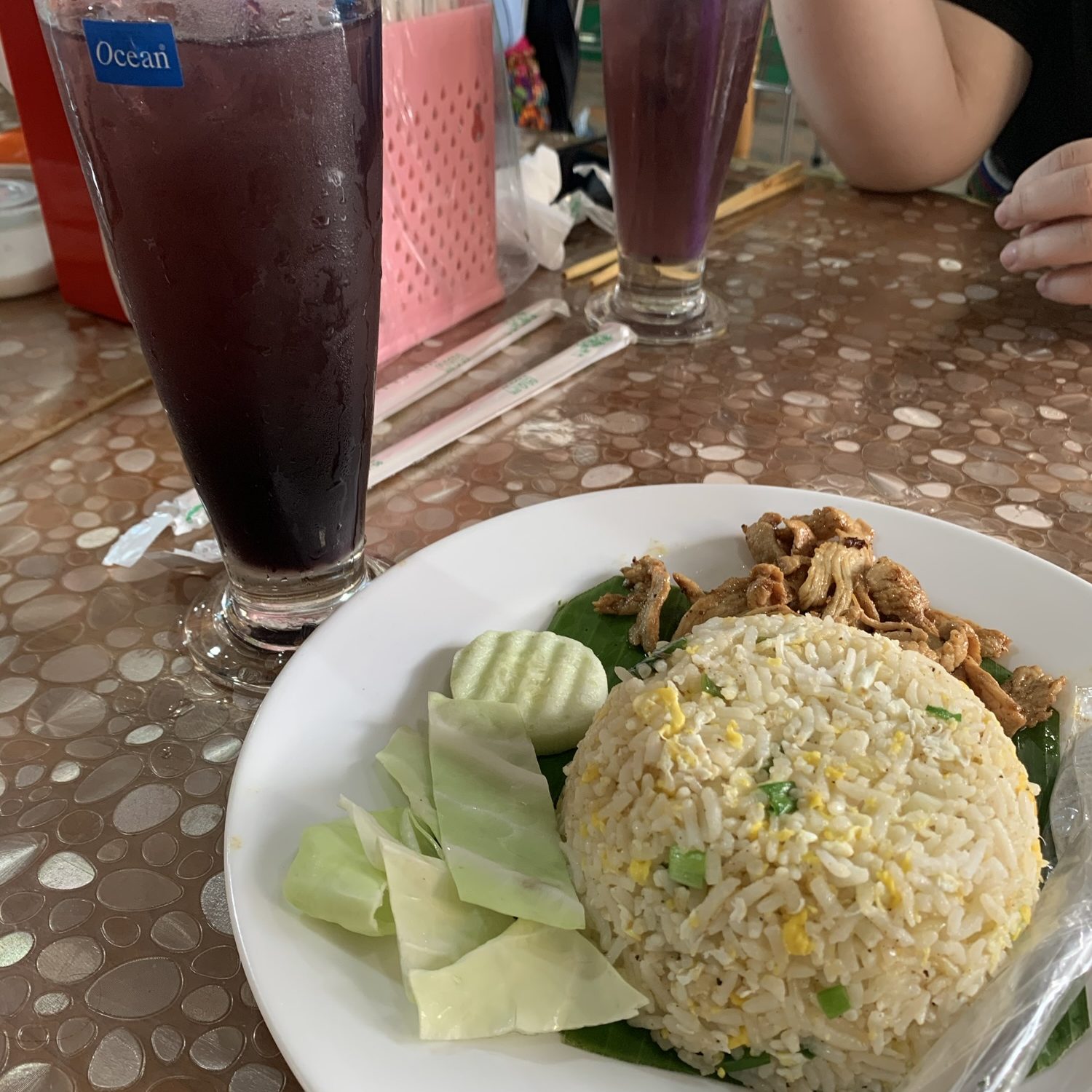
Our first group dinner in Mandalay took place at the Unique Myanmar Restaurant, a venue renowned for its authentic Burmese cuisine and inviting atmosphere. Eager to immerse myself in the local culinary traditions, I opted for Ohn No Khao Swè, a traditional Burmese chicken coconut noodle soup. This dish features wheat noodles served in a rich, curried chicken and coconut milk broth, thickened with gram flour (chickpea flour). It’s typically garnished with crispy fried bean fritters, hard-boiled eggs, sliced raw onions, chili peppers, and crispy noodles, creating a harmonious blend of textures and flavors.
Adding to the warmth of the evening, we were joined by Melissa, a fellow traveler we had met on the plane. Sharing this meal with both new acquaintances and familiar faces underscored the communal spirit that often accompanies dining experiences in Myanmar.
Yangon
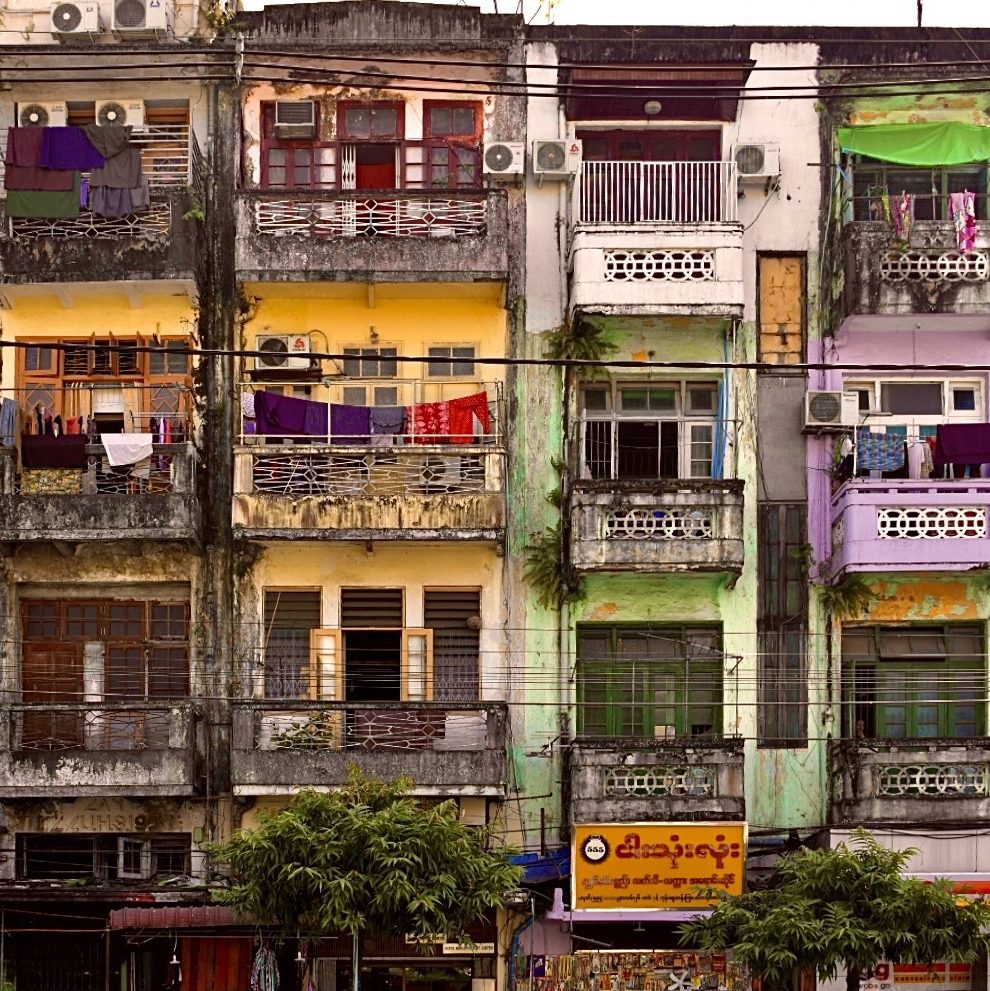
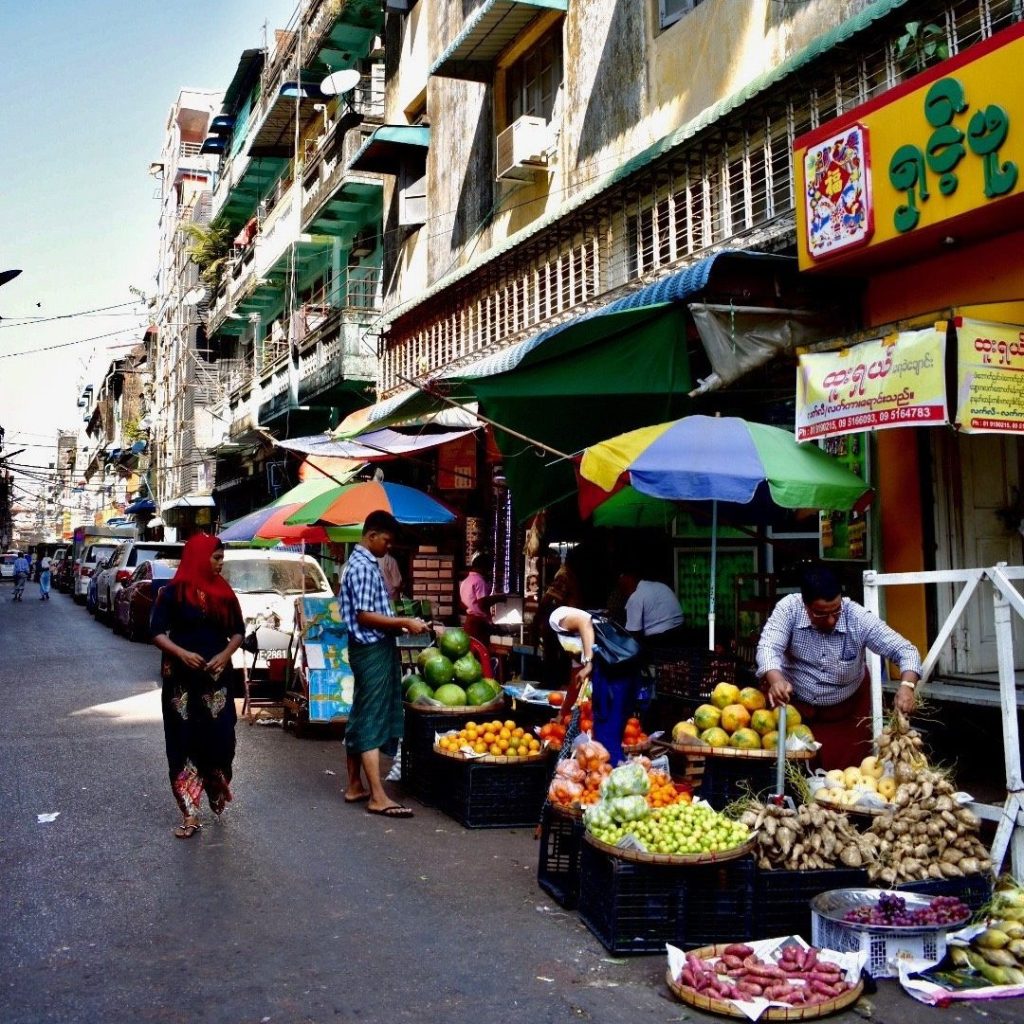
In Yangon, the golden spires of the Shwedagon Pagoda left a lasting impression, and the vibrant street life was a perfect contrast to the serenity of the pagoda. Nay Pyi Taw, the capital, was a quieter, more modern experience, with vast parks and impressive government buildings.
A Night Out at Level 2 Nightclub
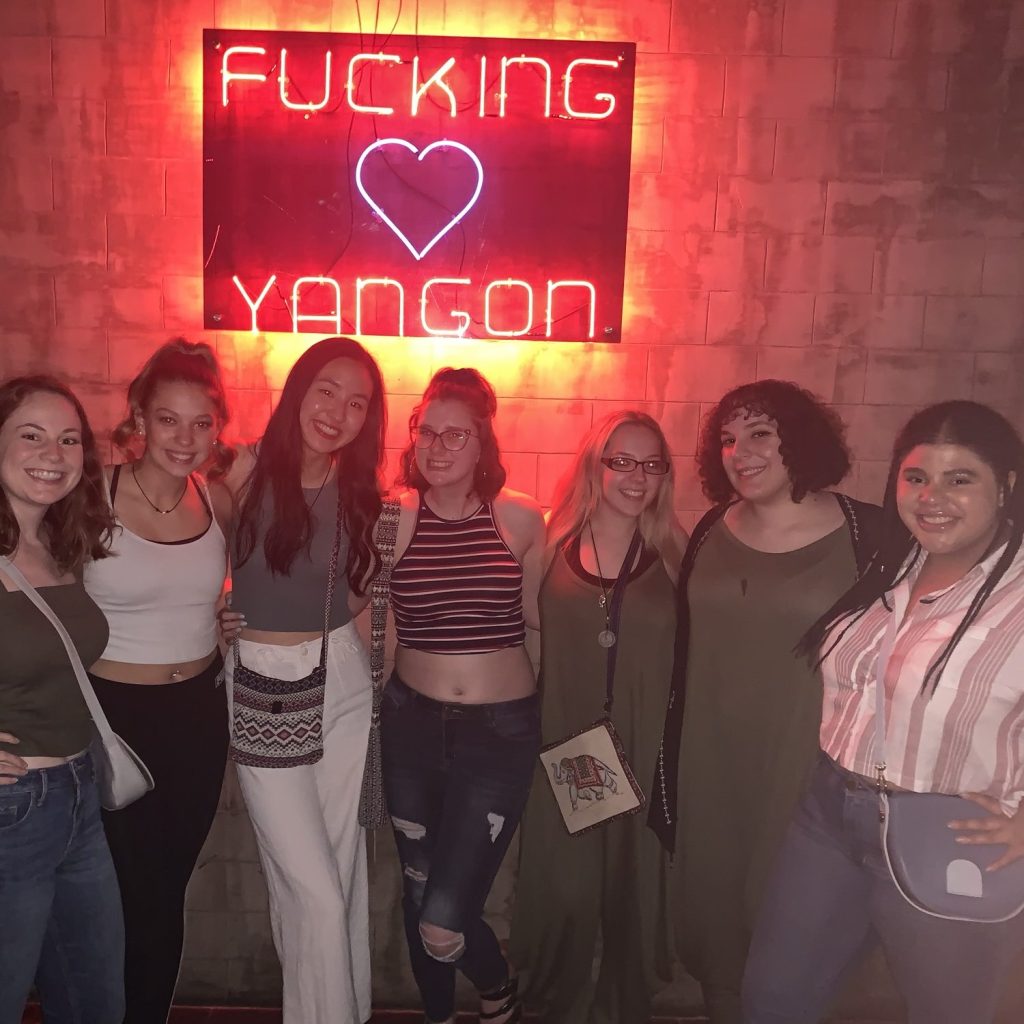
Level 2 Nightclub in Yangon was my first nightclub experience, and I could not have picked a better place. The club had a modern vibe, great music, and a lively crowd, making it an exciting way to experience Yangon’s nightlife. The locals were incredibly friendly, and we had a blast dancing and chatting with new people. Plus, getting a taxi back was quick and easy, which made the whole night stress-free. If you’re looking for a fun night out in Yangon, I highly recommend checking out Level 2!
Shwedagon Pagoda
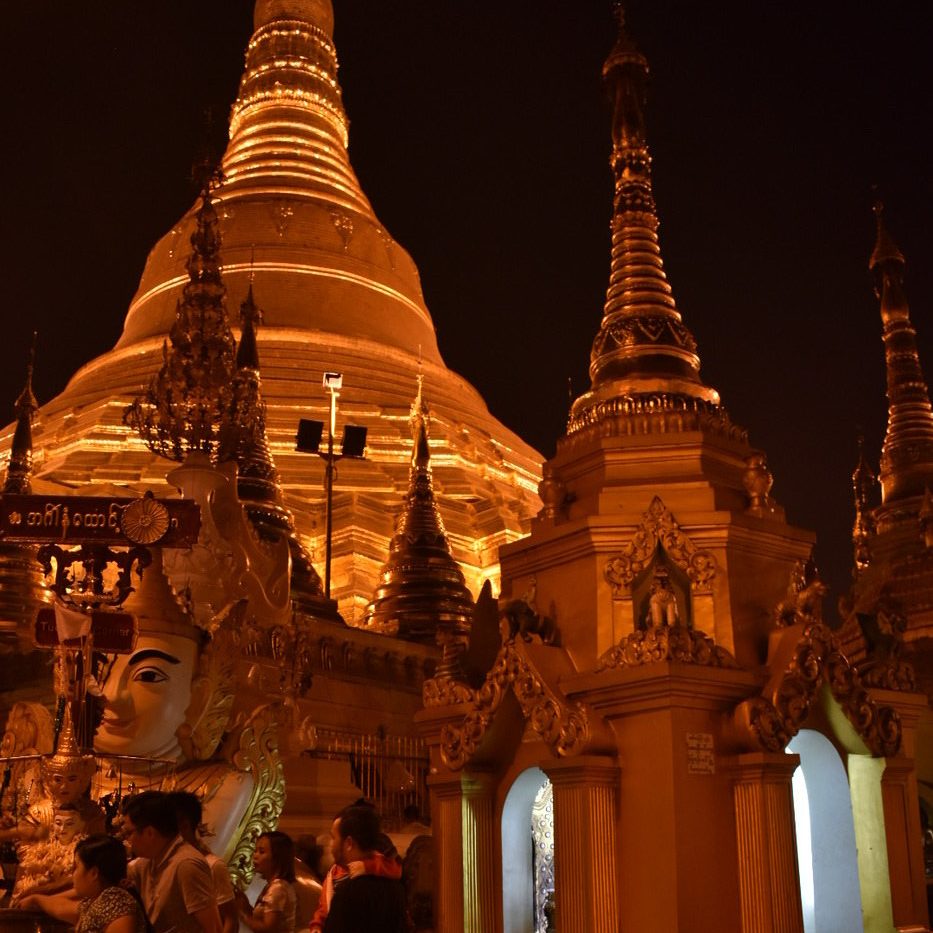
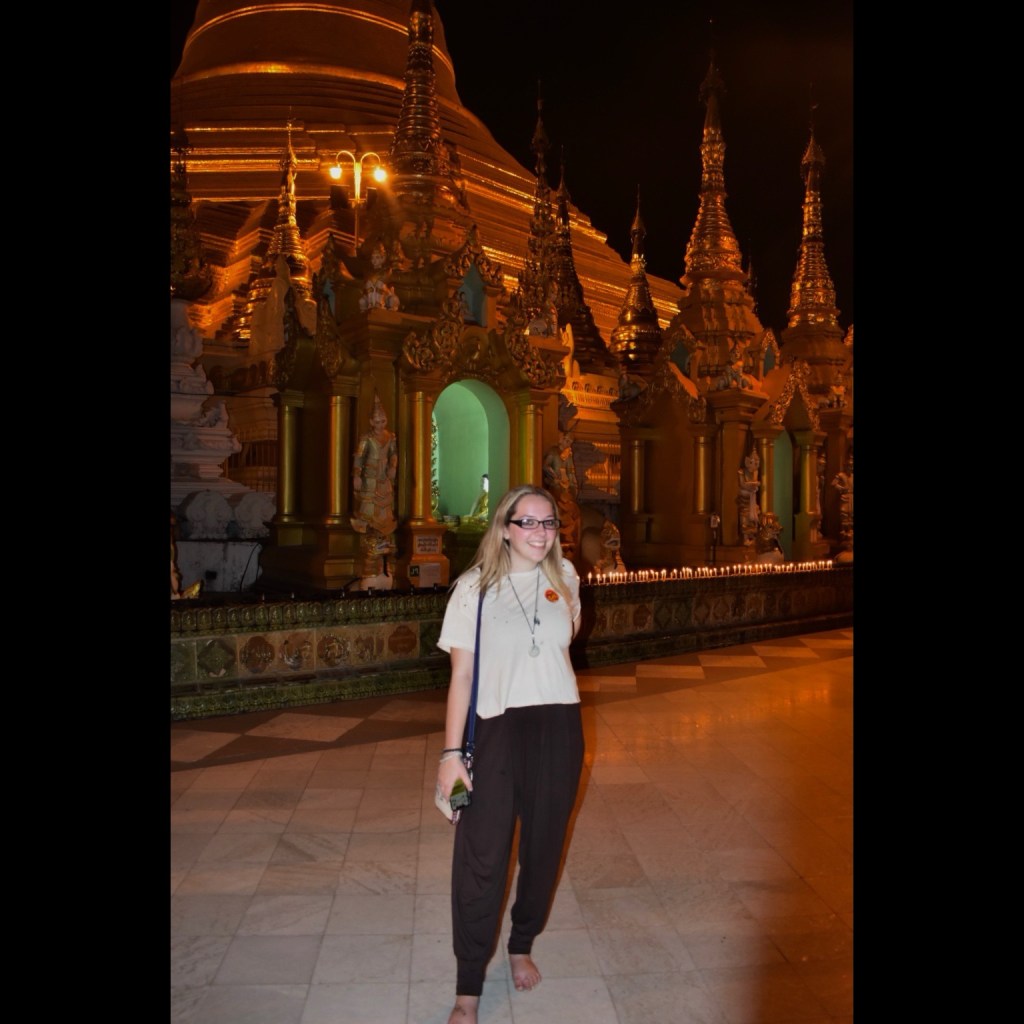
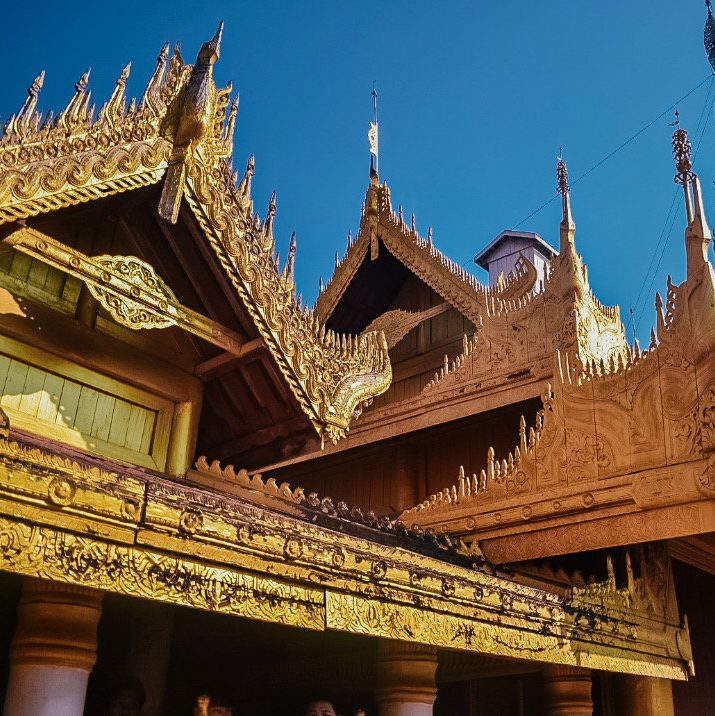
Arriving at Shwedagon Pagoda felt like stepping into another world. Towering above Yangon at nearly 100 meters tall, its golden stupa gleamed under the sunlight, covered in real gold and crowned with thousands of diamonds and precious gems. The sheer scale of the temple complex was overwhelming. Everywhere our class turned, there were massive, intricately decorated shrines, smaller stupas, and statues of Buddha draped in saffron robes. The air smelled of incense, and the distant sound of chanting monks filled the space with a peaceful hum.
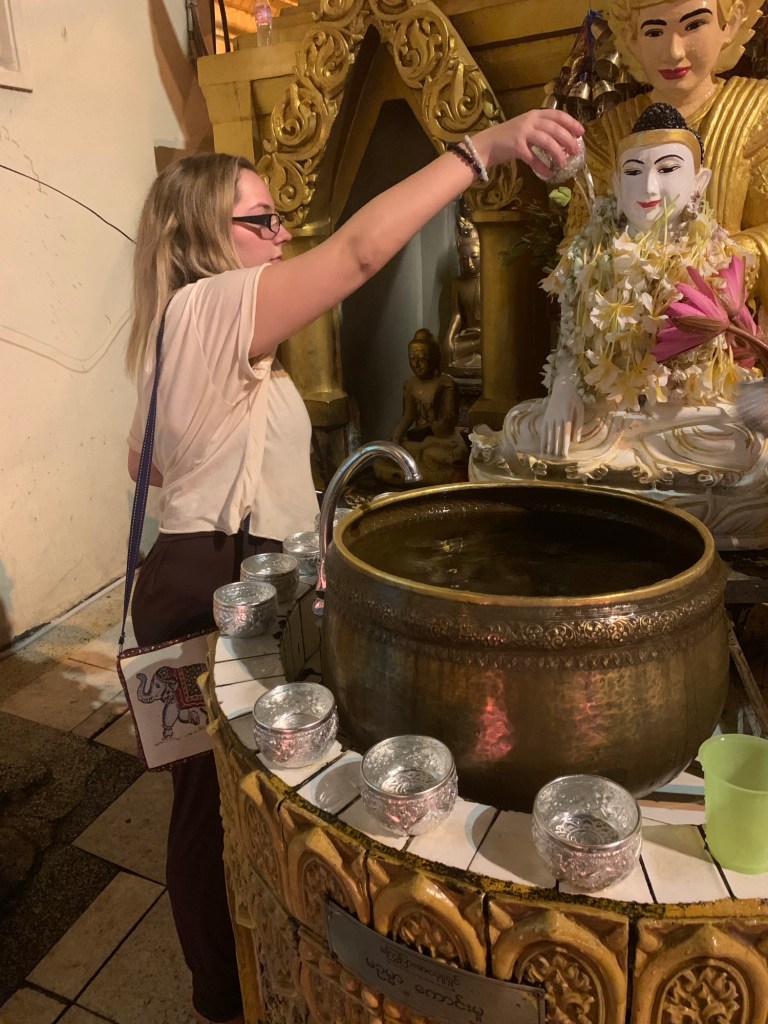
One of the most unique traditions we took part in was the birthday water offering. In Myanmar, the day of the week you were born holds special significance in Buddhist culture. At designated corners of the pagoda, there were small shrines with Buddha statues for each weekday. Following tradition, we took small cups of water and gently poured them over the Buddha for our respective birth days, a symbolic act of cleansing and good fortune. Watching locals participate with such devotion made the experience feel even more meaningful.
As we wandered through the pagoda grounds, something unexpected kept happening. Locals kept handing me their children for photos. At first, I was confused and almost concerned LOL, but my professor laughed and explained that my blonde hair was a rarity in Myanmar, and many people, especially from rural areas, had never seen it in person. Smiling families posed beside me, their children staring up at me with wide, curious eyes. It was a surreal but heartwarming experience, a small but unforgettable cultural exchange. It was the closest feeling I’ll ever get to being a celebrity, minus the copious amounts of moolah.
As the sun set, the golden stupa took on an even more magical glow, radiating light against the deepening sky. Standing beneath it, I couldn’t help but feel humbled—not just by the size of the temple, but by the warmth of the people and the deep-rooted traditions that made this place so much more than a landmark.
Backpacker Hostel
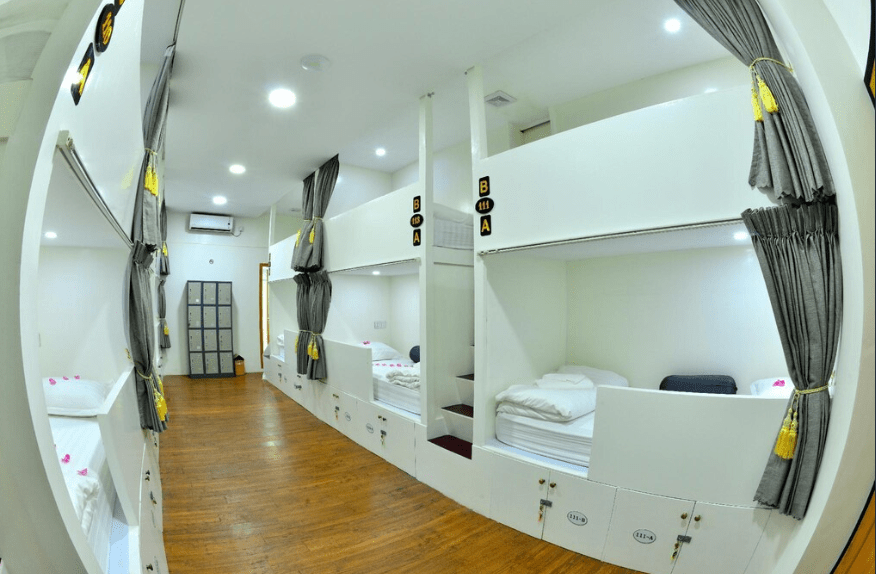
During our time in Yangon, my sister and I stayed at the Backpacker Hostel, marking my first experience in a hostel. Opting for a private room, we found the beds to be exceptionally cozy, ensuring restful nights after our daily explorations. While we didn’t experience the shared rooms firsthand, the overall atmosphere suggested a well-maintained and comfortable environment.
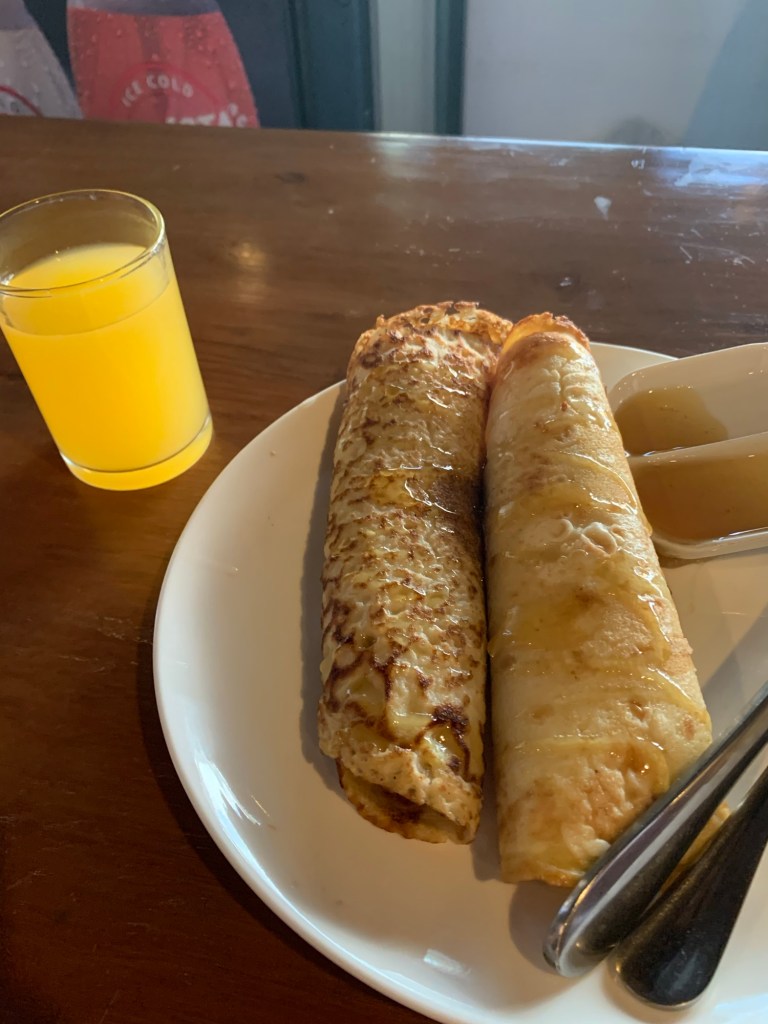
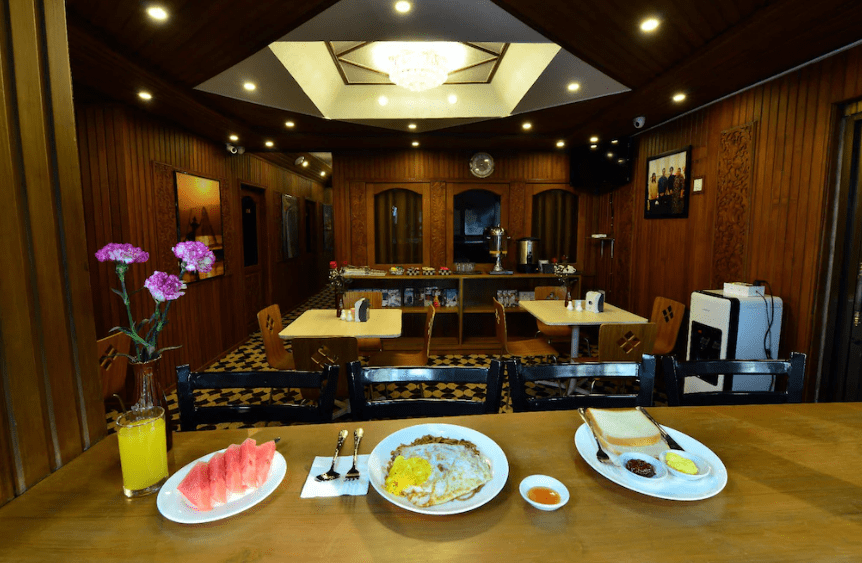
One of the standout features of our stay was the breakfast. Each morning, we were treated to delicious honey crepes and incredible fresh juice, providing a delightful start to our day. The shared bathrooms, though communal, offered ample privacy; I rarely encountered other guests during use. The staff were consistently kind and accommodating, enhancing our overall experience.
The hostel’s central location made navigating Yangon straightforward. We had easy access to the city’s vibrant street markets, cultural landmarks, and diverse dining options, allowing us to immerse ourselves fully in the local scene. For those seeking a comfortable and conveniently located accommodation in Yangon, Backpacker Hostel comes highly recommended.
Visiting A College In Yangon
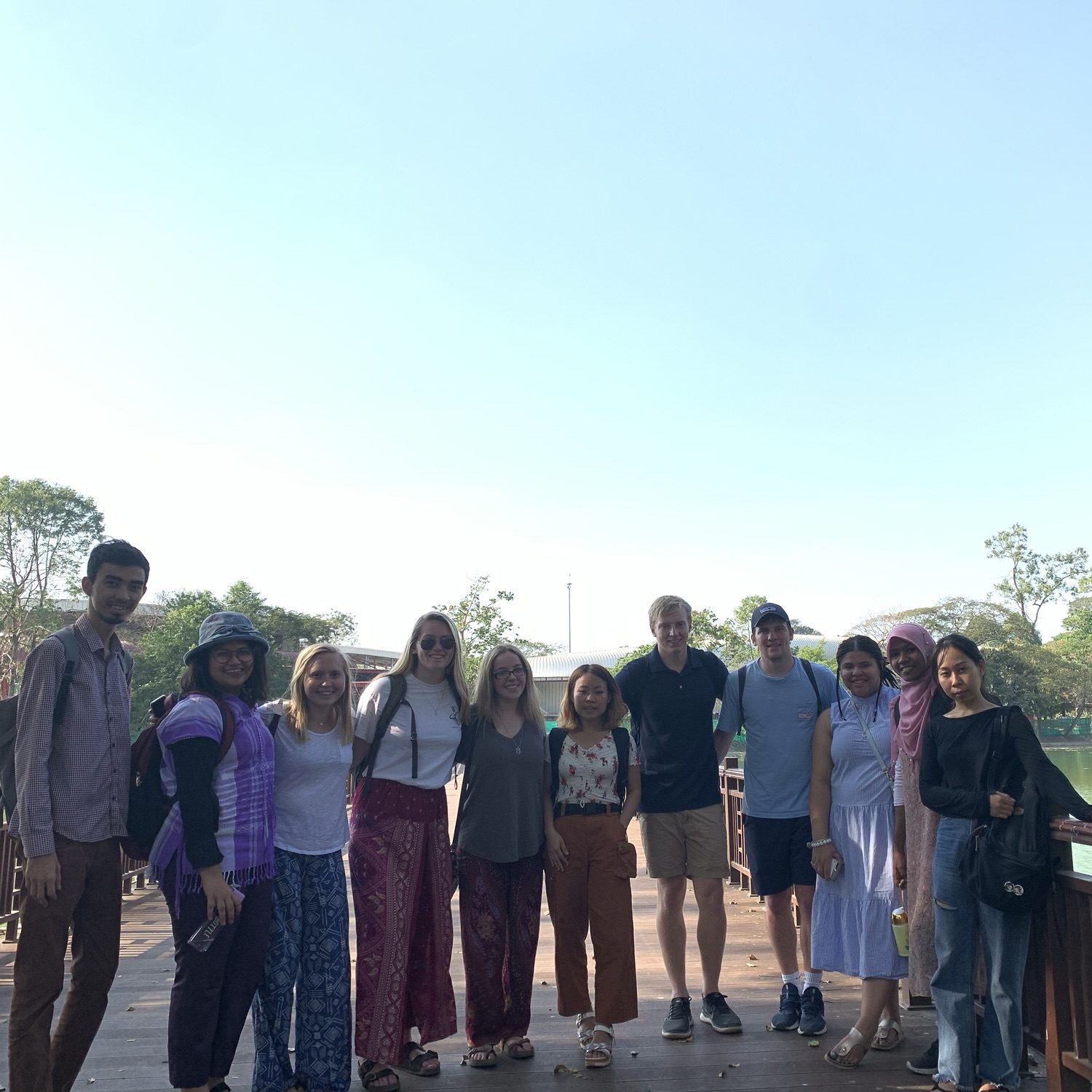
In Yangon, we had another incredible opportunity to visit a school, this time as part of a combined group with our college. The students welcomed us with open arms, and we quickly bonded over shared curiosity about each other’s cultures. Throughout the day, we explored different parts of the city together, forming fast friendships and sharing countless laughs along the way.
One of my favorite moments was when someone pulled out a guitar, and we all gathered around to sing “Country Roads” by John Denver. People from different backgrounds, speaking different languages, all coming together through music. It was a simple yet unforgettable experience that perfectly captured the beauty of cultural exchange.
Good Eats In Yangon
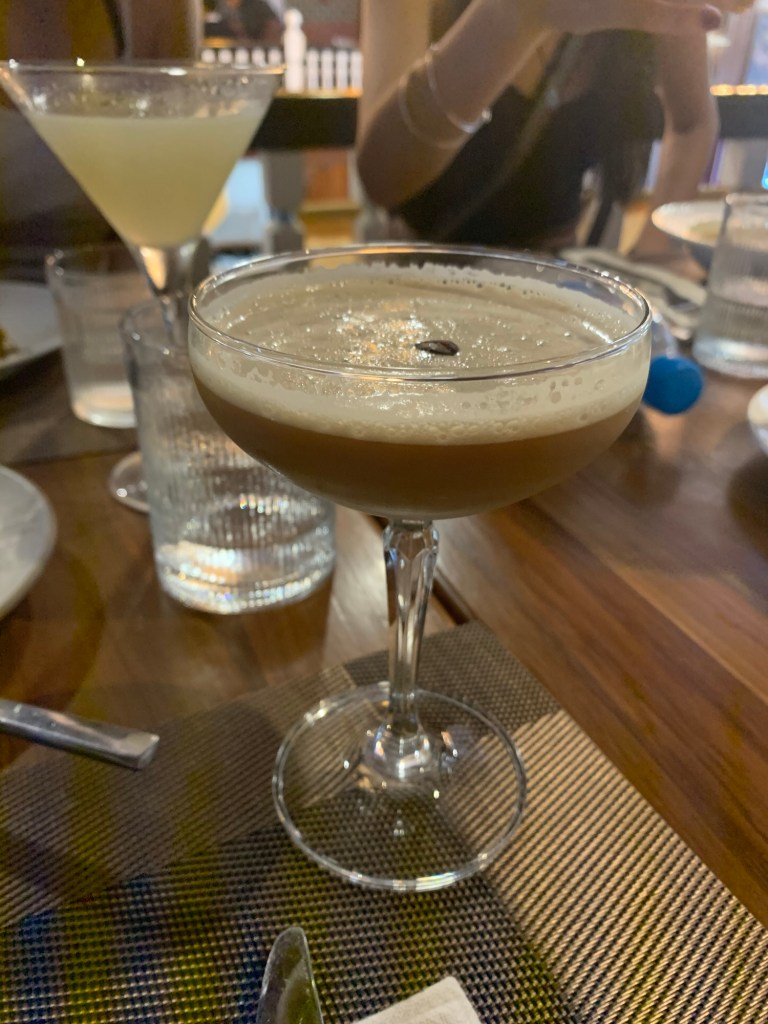
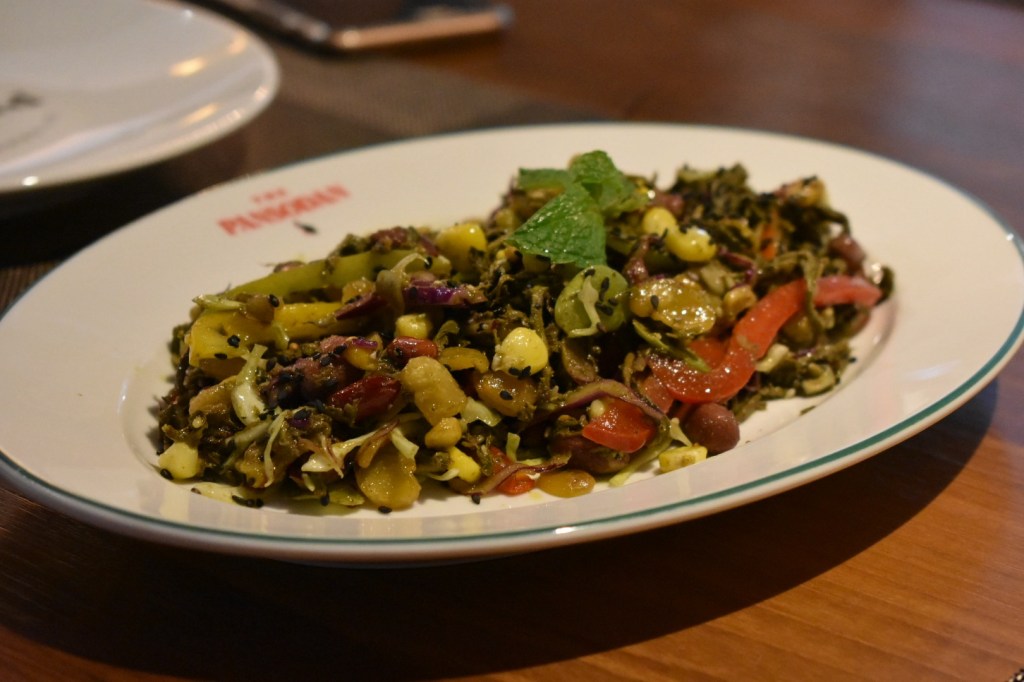
One of the standout dining experiences from my time in Yangon was at The Pansodan, a now-permanently closed restaurant that I’m glad I had the chance to visit. The food and atmosphere were unforgettable.
I kicked off the meal with my very first espresso martini. For the main course, I tried tea leaf salad, a classic Burmese specialty made with fermented tea leaves, peanuts, and a mix of savory and tangy flavors that quickly became one of my favorites. I also had a hearty serving of peanut noodles, which were flavorful and satisfying. While The Pansodan may no longer be around, I’ll always remember that meal as one of the highlights of my time in Myanmar.
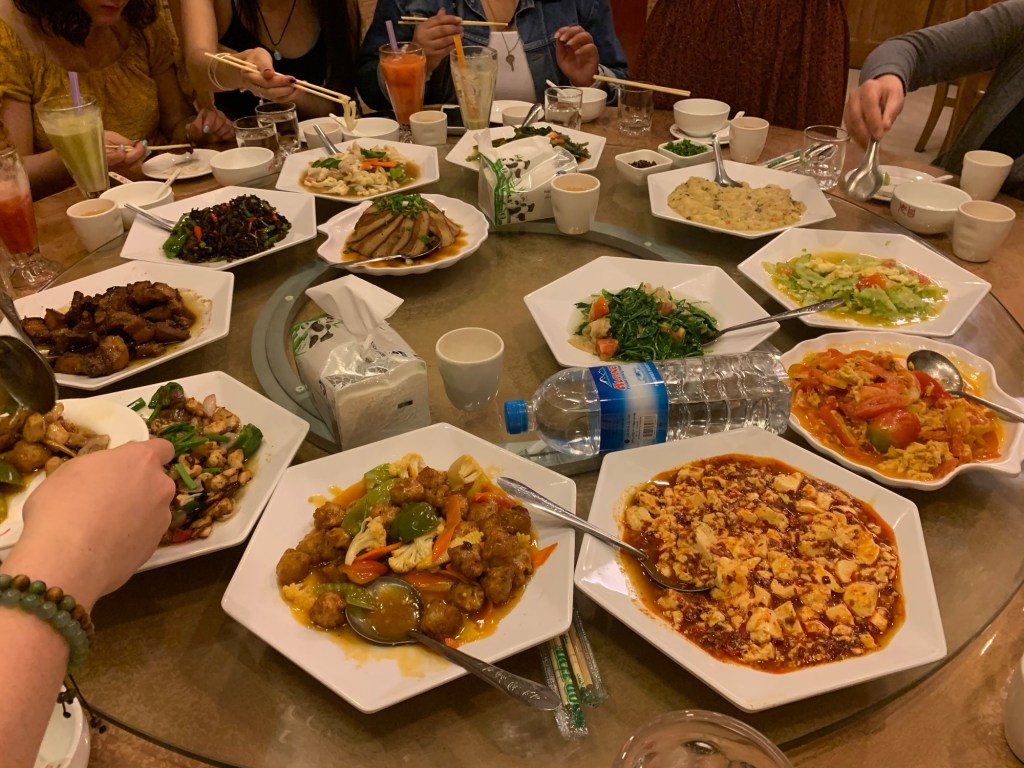
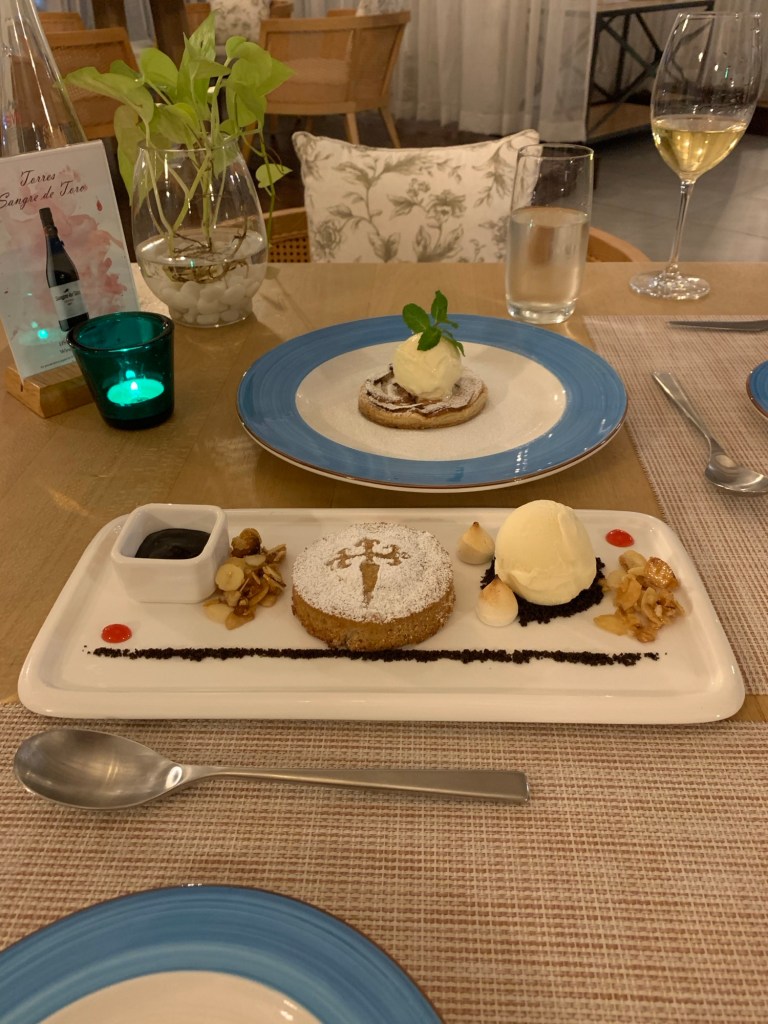
My sister and I set off to explore, eventually making our way to Olea Restaurant, though finding it was a bit of a challenge since it’s tucked inside a hotel. After some wandering, we finally arrived, and it was well worth the effort.
The space had a chic yet cozy feel, making it the perfect spot to unwind. We treated ourselves to delicious desserts, each one beautifully plated, and paired them with glasses of champagne.
Palm Reading
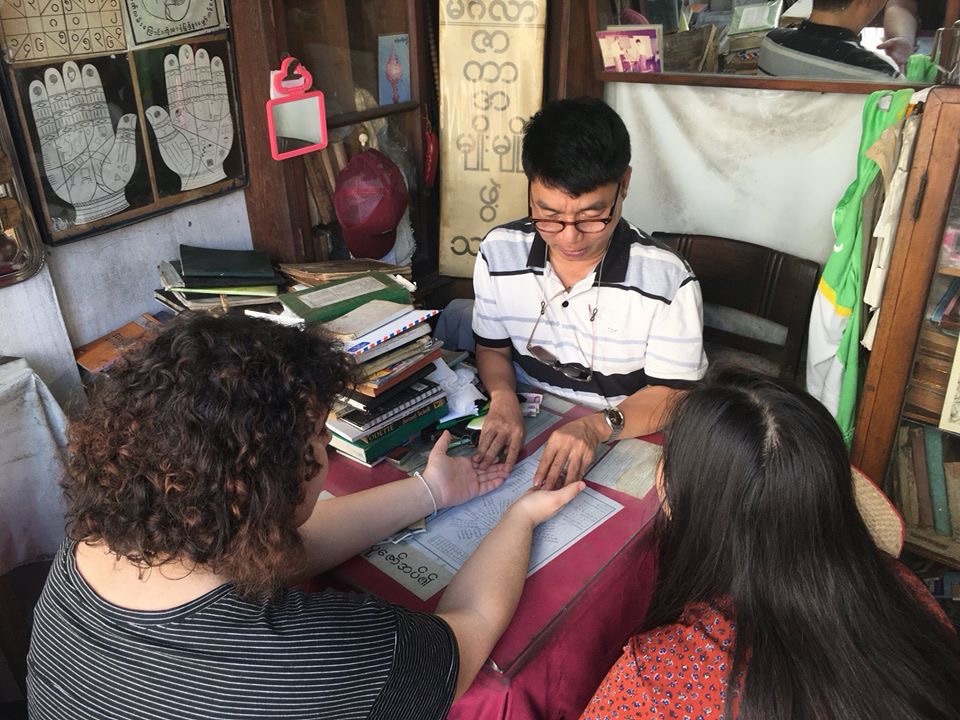
I’m a skeptic when it comes to fortune-telling, but when in Yangon, why not? The fortune teller studied my palm and confidently declared I’m not meant to be in the U.S and I’ll live internationally. The older I get, the more that checks out. He said my future husband will love and value me (good, as he should lmao) and that after 30, money will be good for me. I guess I just have to survive my 20s.
Kalaw
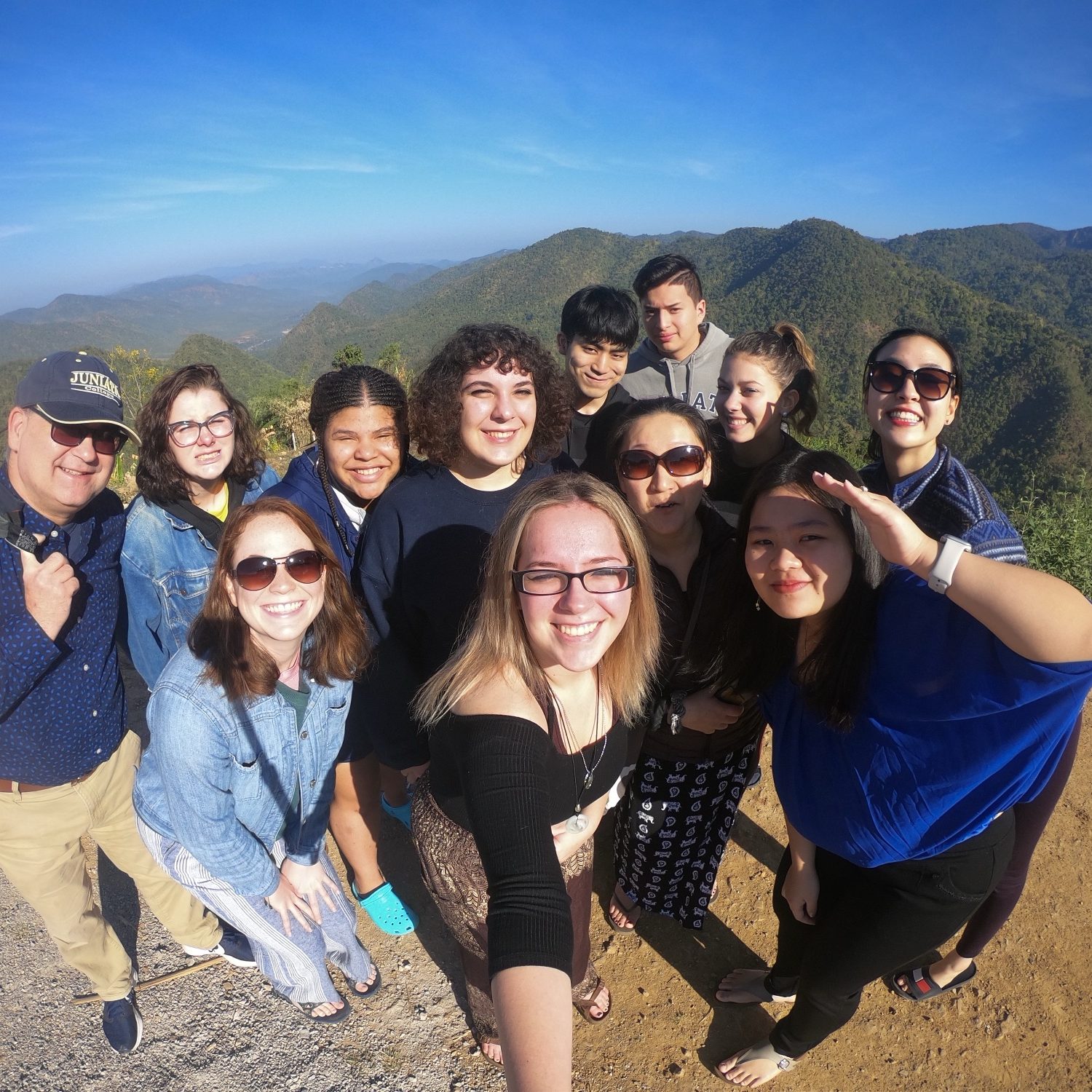
Kalaw, nestled in the cool hills, provided a peaceful escape, with trekking through lush landscapes and discovering local villages that felt like a step back in time.
Hillock Villa
After days of exploring Myanmar’s bustling cities and sweltering temples, arriving in Kalaw felt like stepping into another world. Nestled in the highlands, this former British hill station is known for its cool climate, rolling green hills, and laid-back atmosphere. Unlike the rest of Myanmar, where the heat was relentless, Kalaw was significantly chillier, making it the perfect place to slow down and take in the scenery.
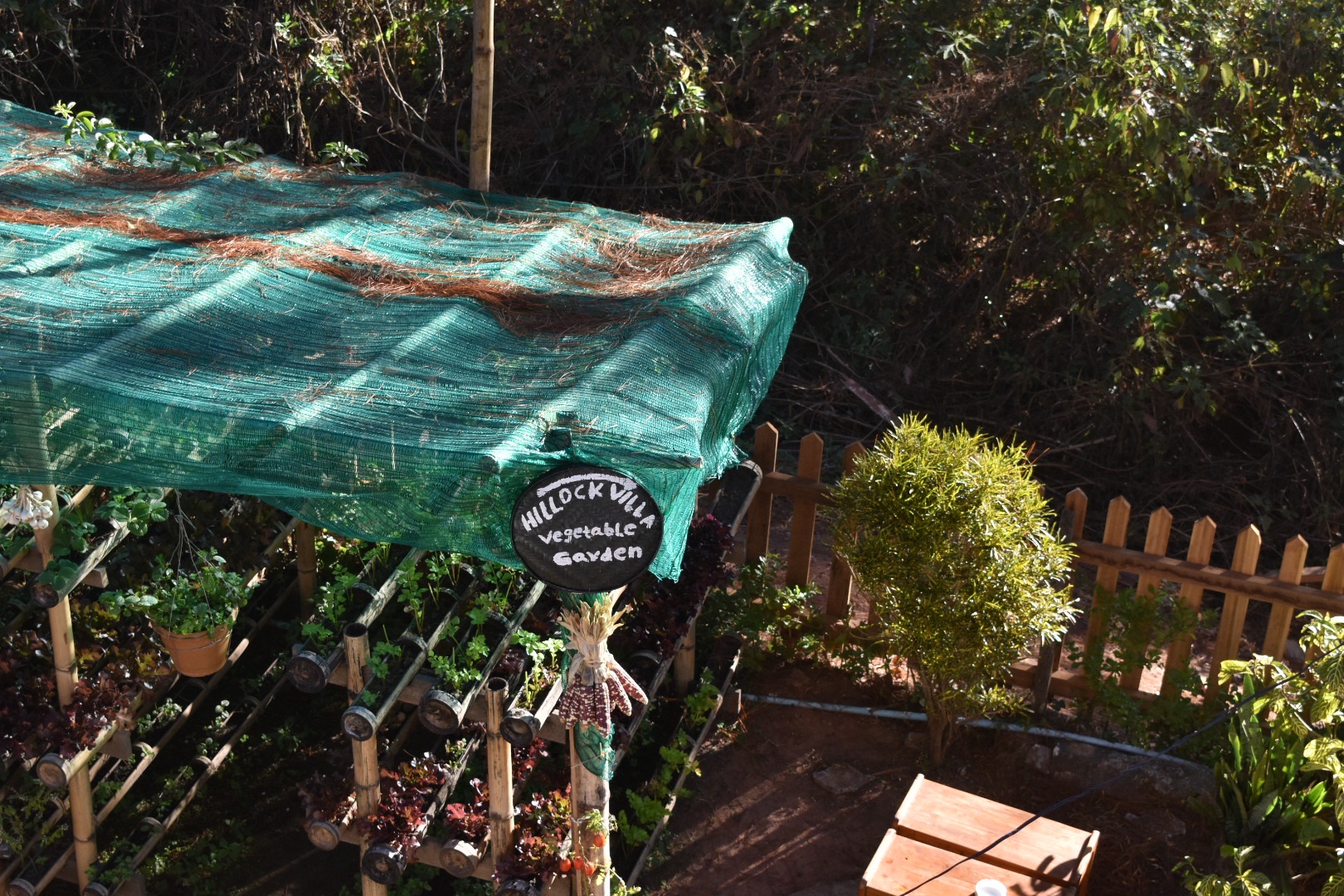
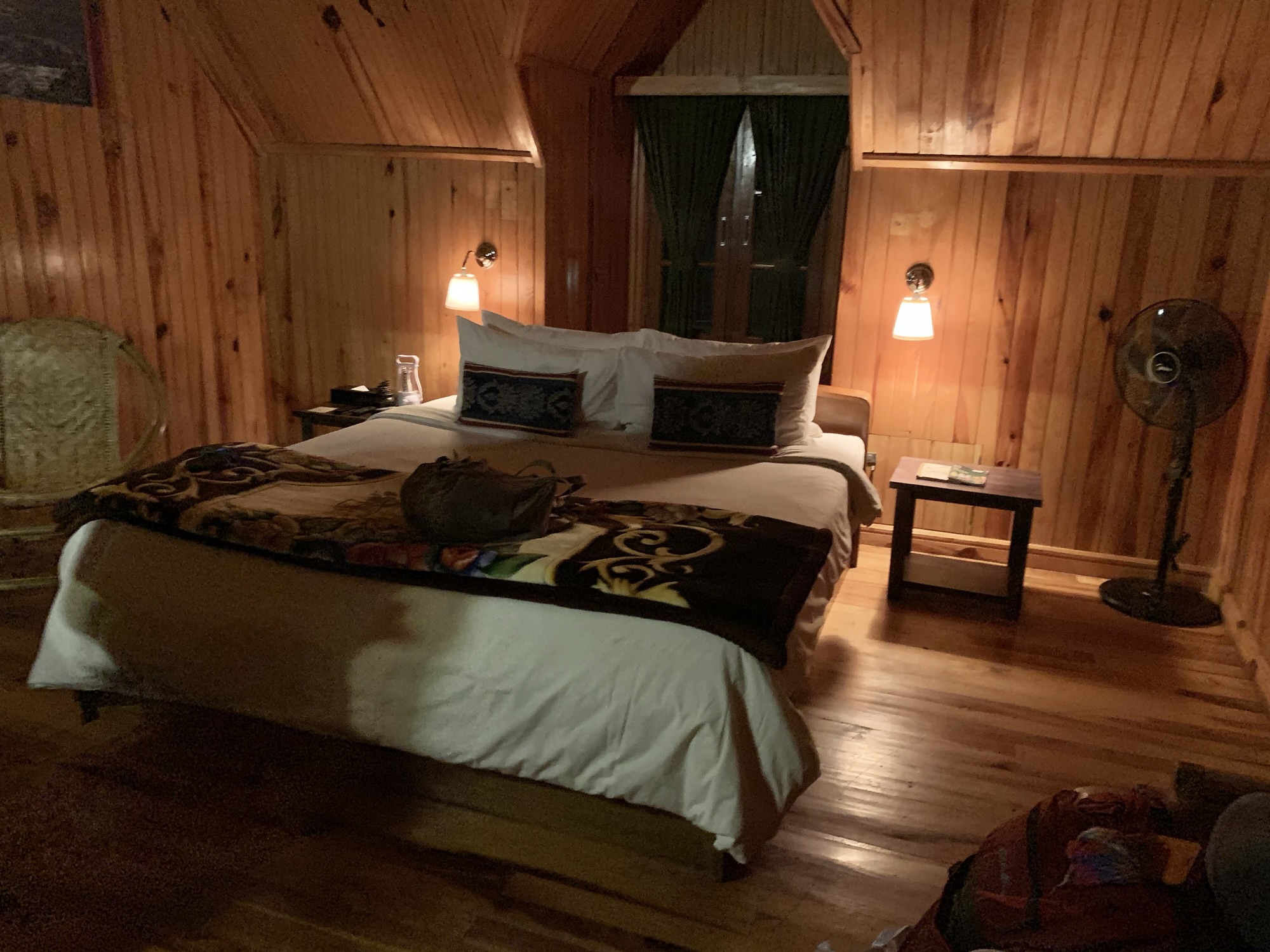
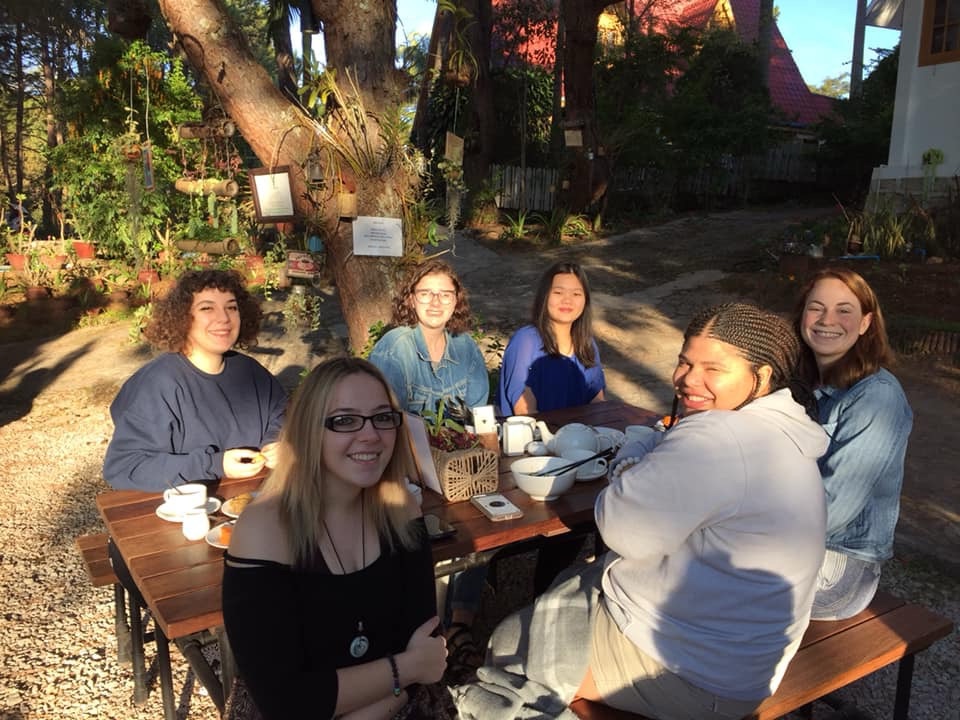
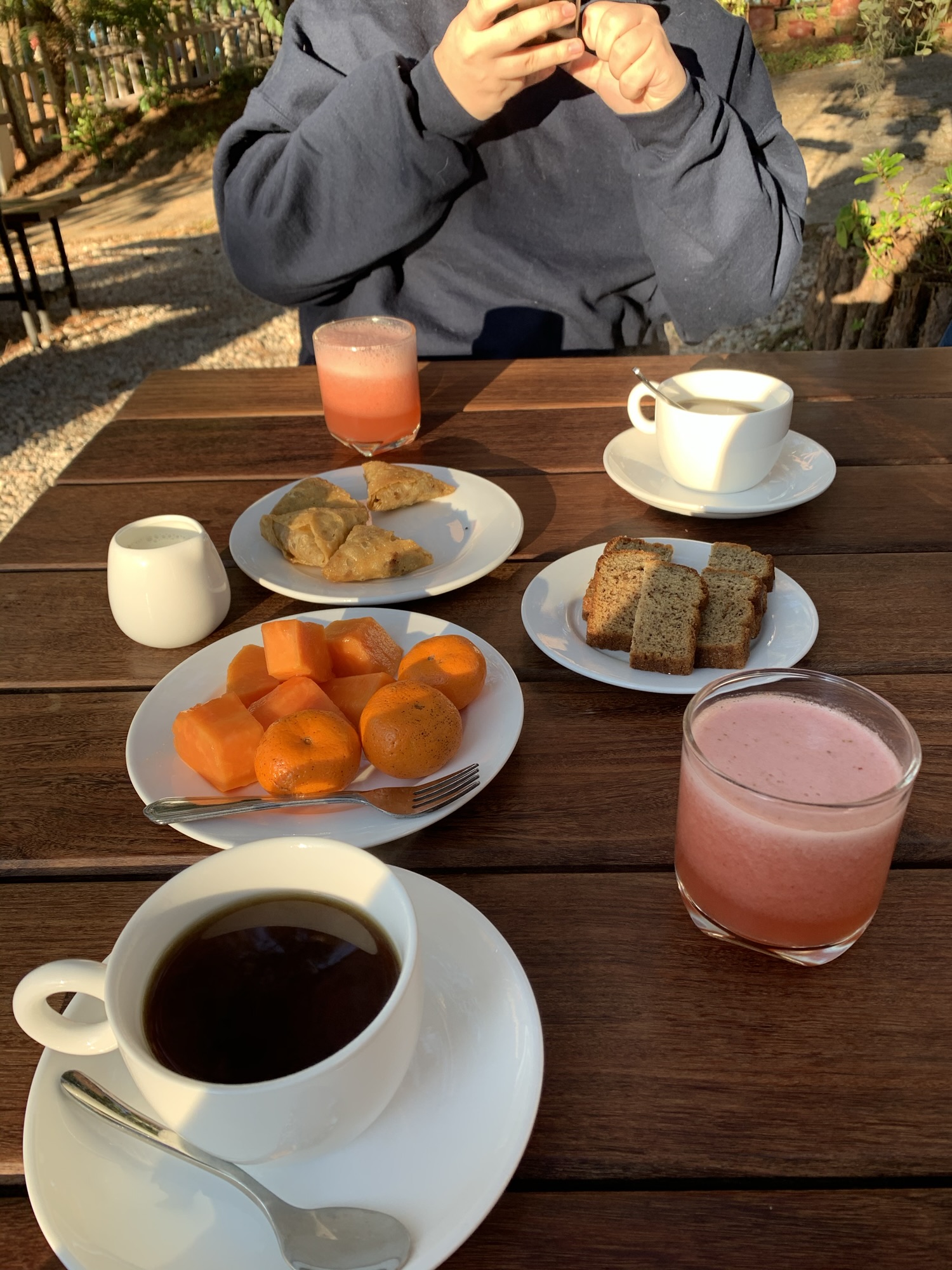
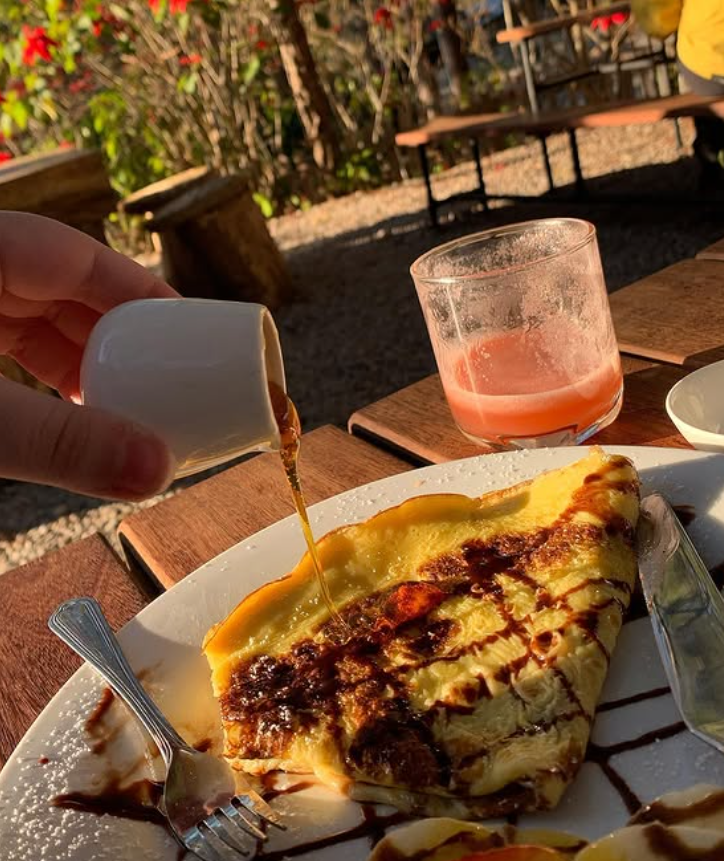
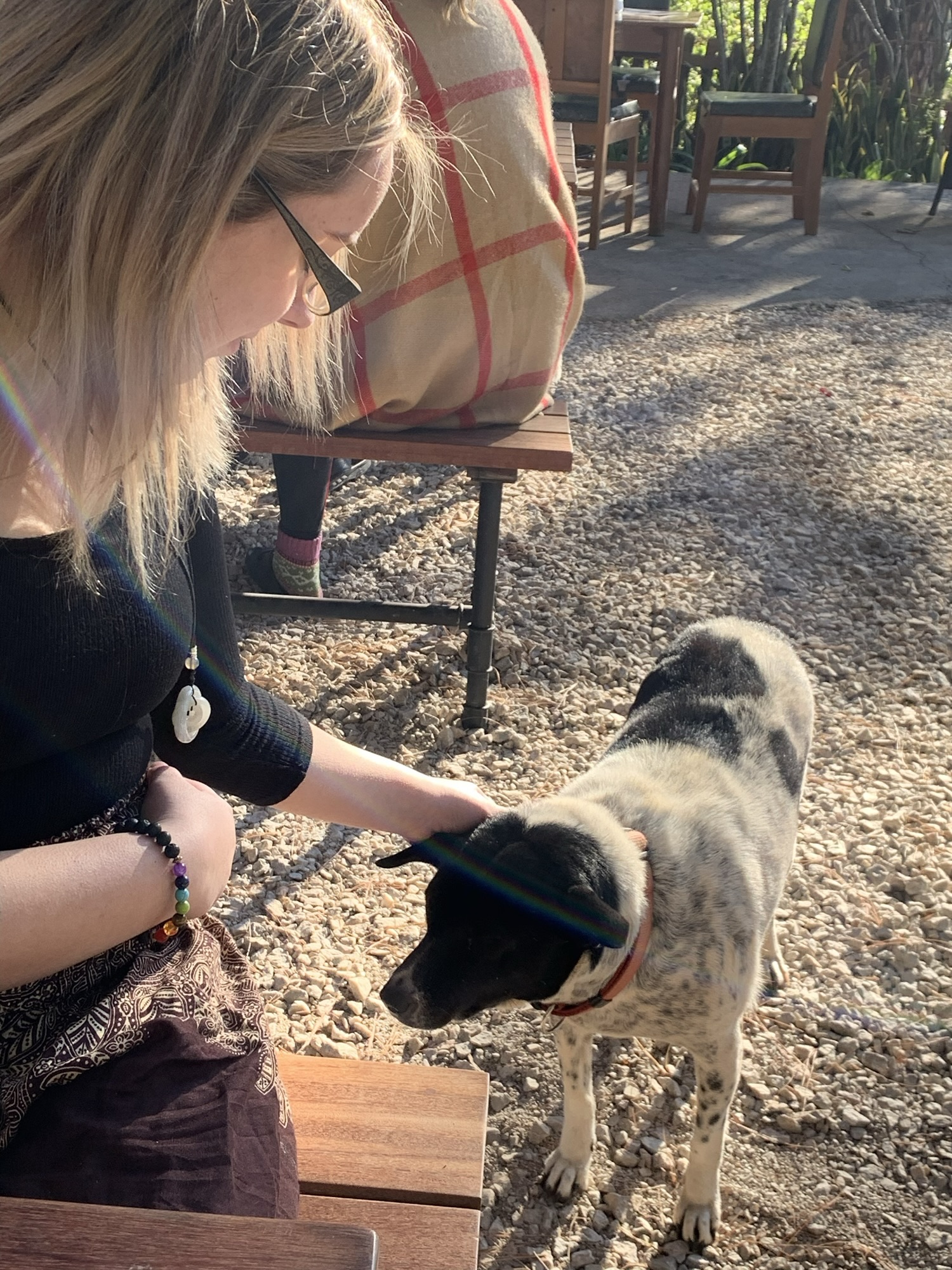
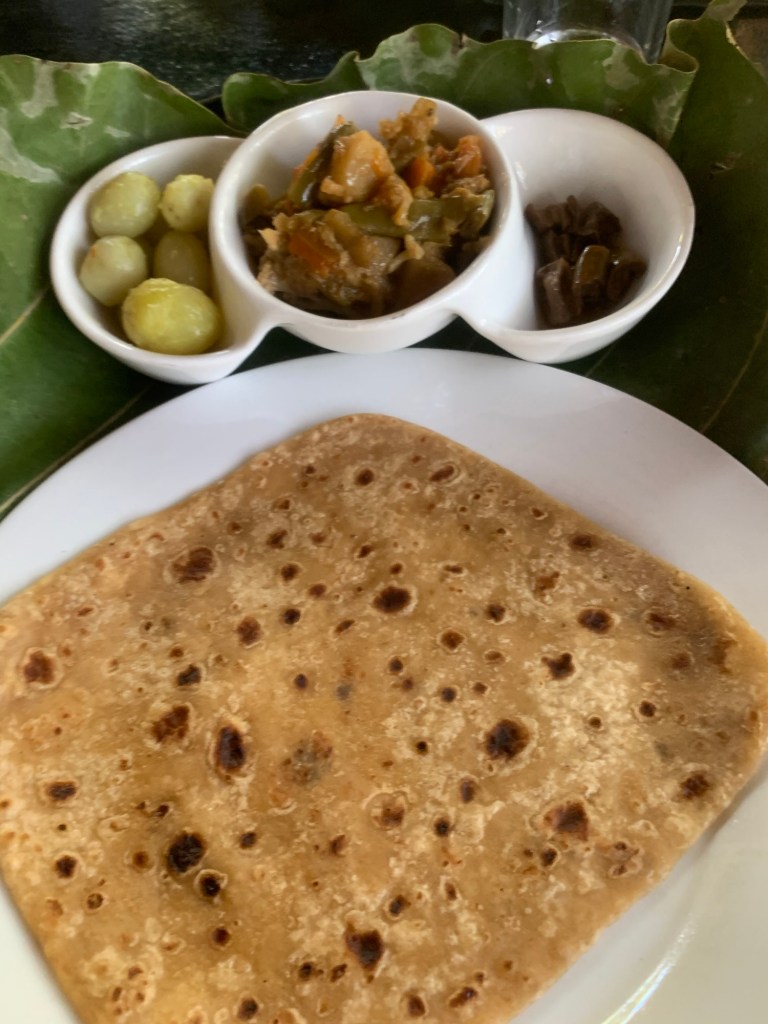
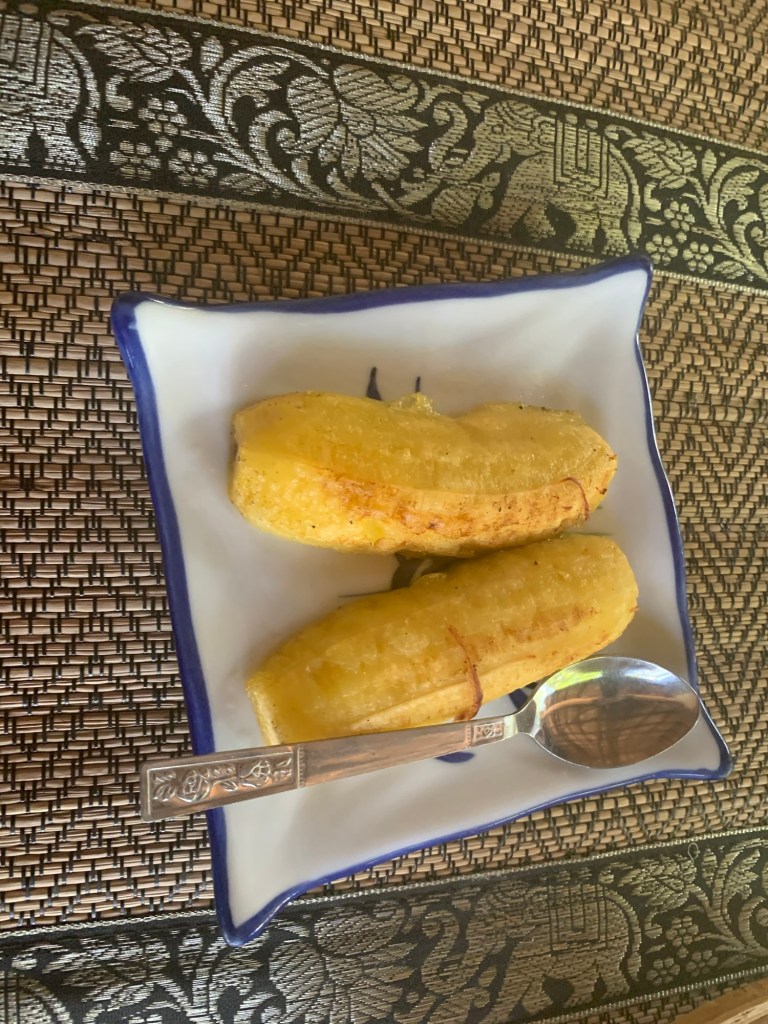
Our class stayed at Hillock Villa, a beautiful guesthouse surrounded by lush gardens and misty mountain views. One of the villa’s highlights was its vegetable garden, where fresh produce was grown and used in the daily meals. Breakfast here was unforgettable, easily the best I’d ever had. The spread included homemade jams, warm pastries, perfectly cooked eggs, and fresh fruit bursting with flavor. The best crepes I have ever had, hands down. I also tried banana bread for the first time!
I shared a room with my sister, and one thing that immediately stood out was the bathroom setup. Instead of a bathtub with a shower curtain, the “shower room” was an open, tiled space with just a showerhead on the wall. No partitions, no enclosure. At first, it was a little confusing, but I quickly realized how practical and efficient it was. This small difference was a reminder of how everyday life varies from place to place, making even simple routines feel like part of the adventure.
Green Hill Valley Elephant Camp
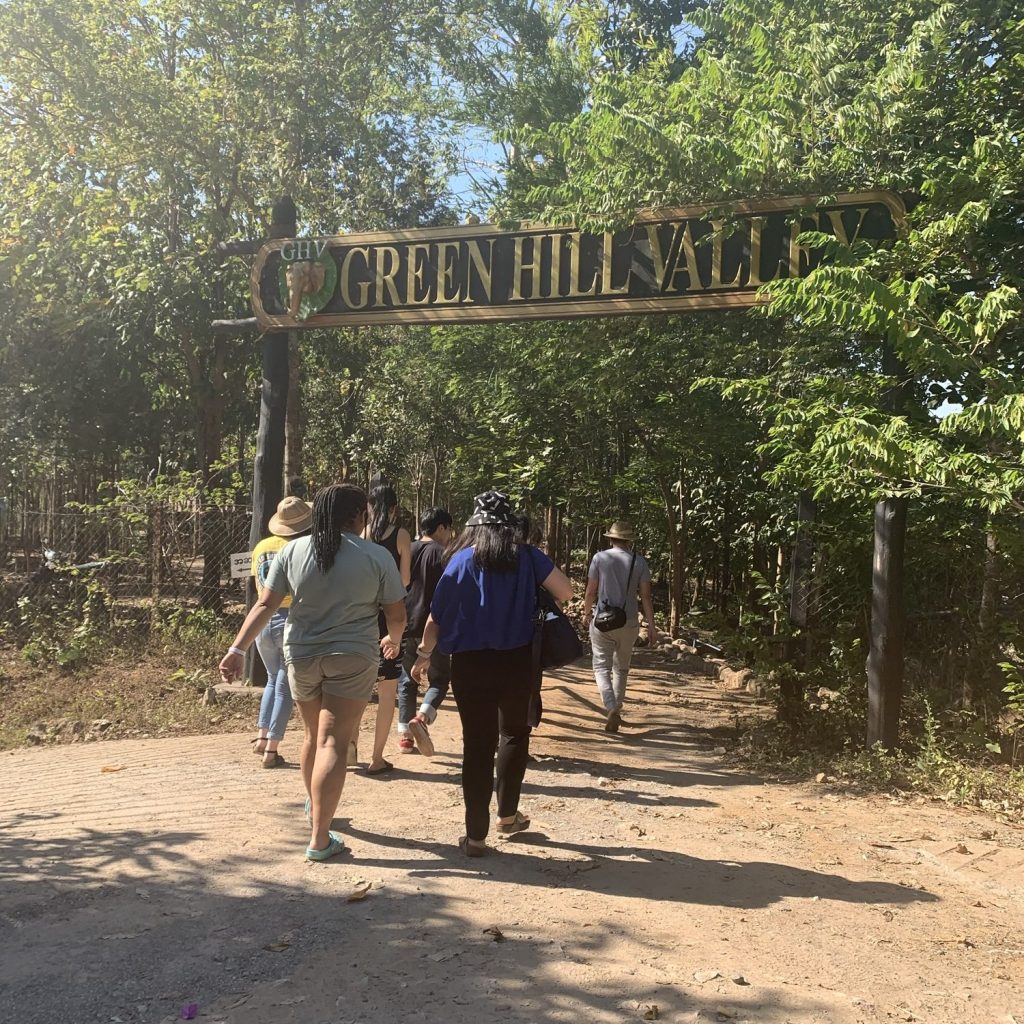
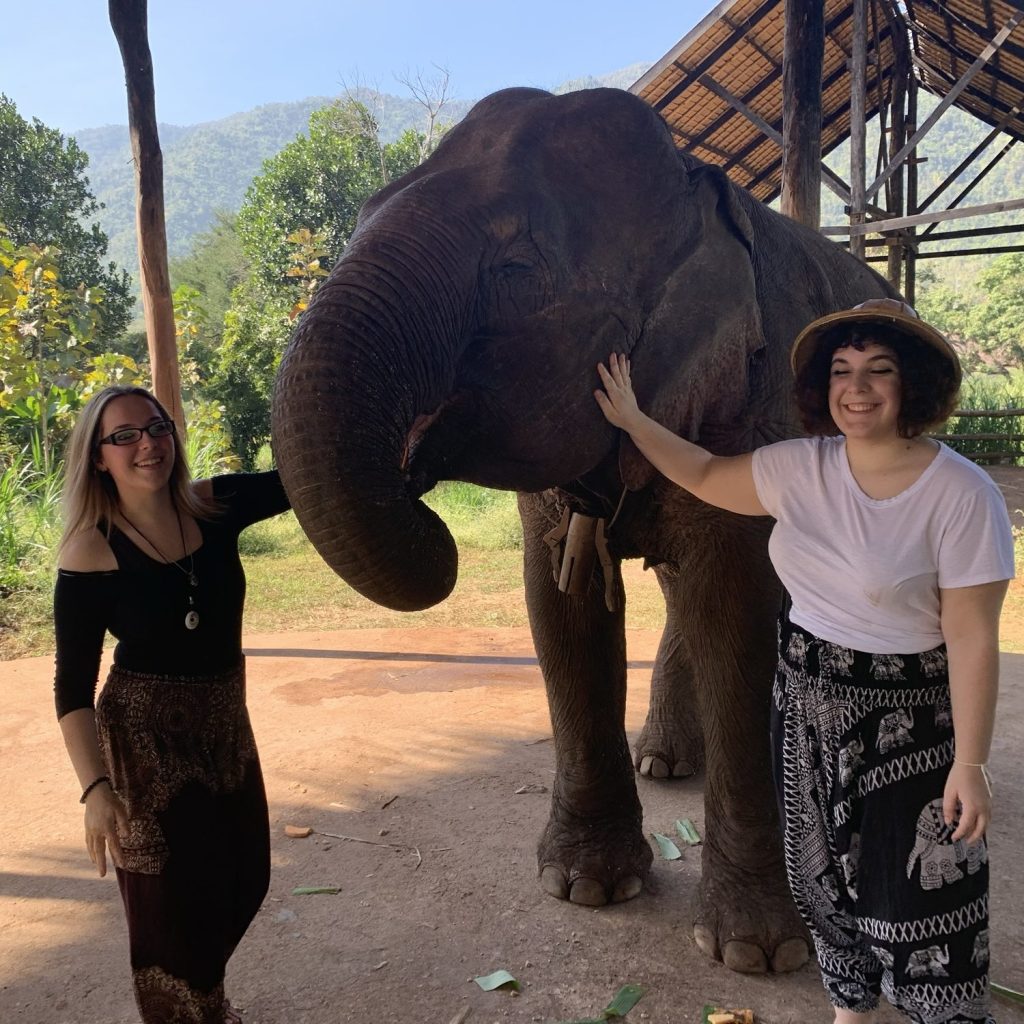
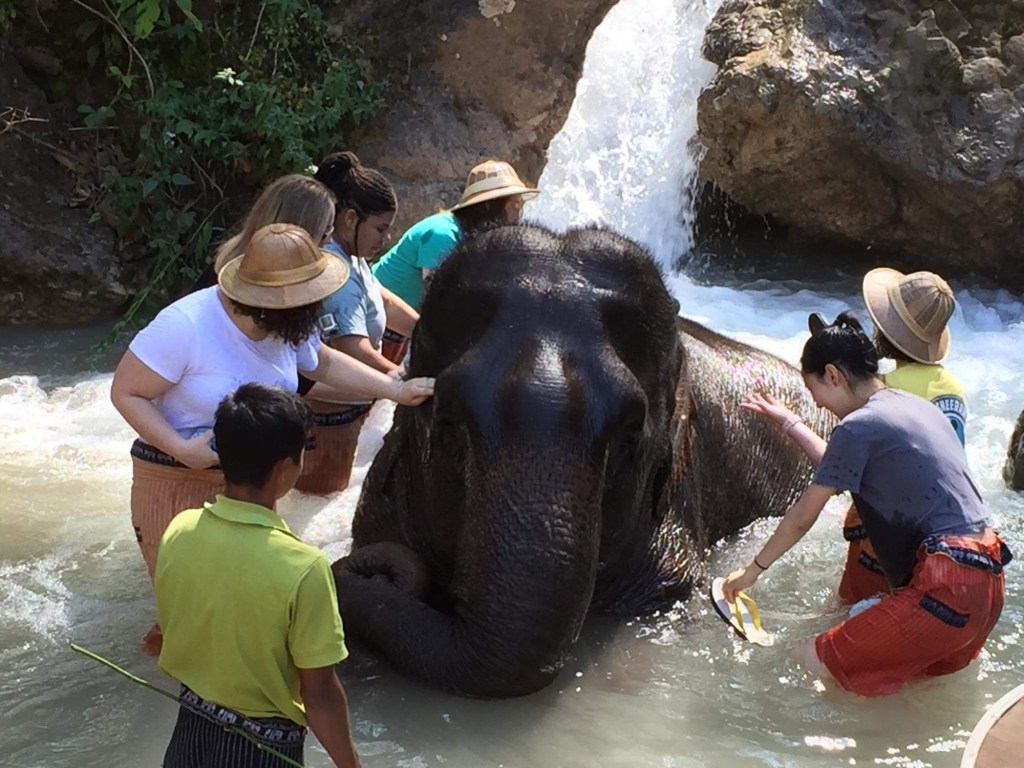
One of the highlights of our trip was our visit to Green Hill Valley Elephant Camp, an ethical sanctuary nestled in the hills. It was a bit of a drive from Hillock Villa, but the journey was worth it for the incredible sunrise we witnessed upon arriving. The early morning light painted the landscape in soft golden hues, setting the perfect tone for the unforgettable day ahead.
At the camp, we had the chance to feed the elephants pumpkins, which they eagerly took from our hands. It was such a special experience, seeing these gentle giants up close, their trunks carefully reaching out to accept the food. One of the most memorable moments for me was when I had the opportunity to touch an elephant’s tongue; it was unexpectedly soft and warm, and it made me feel even more connected to these magnificent animals.
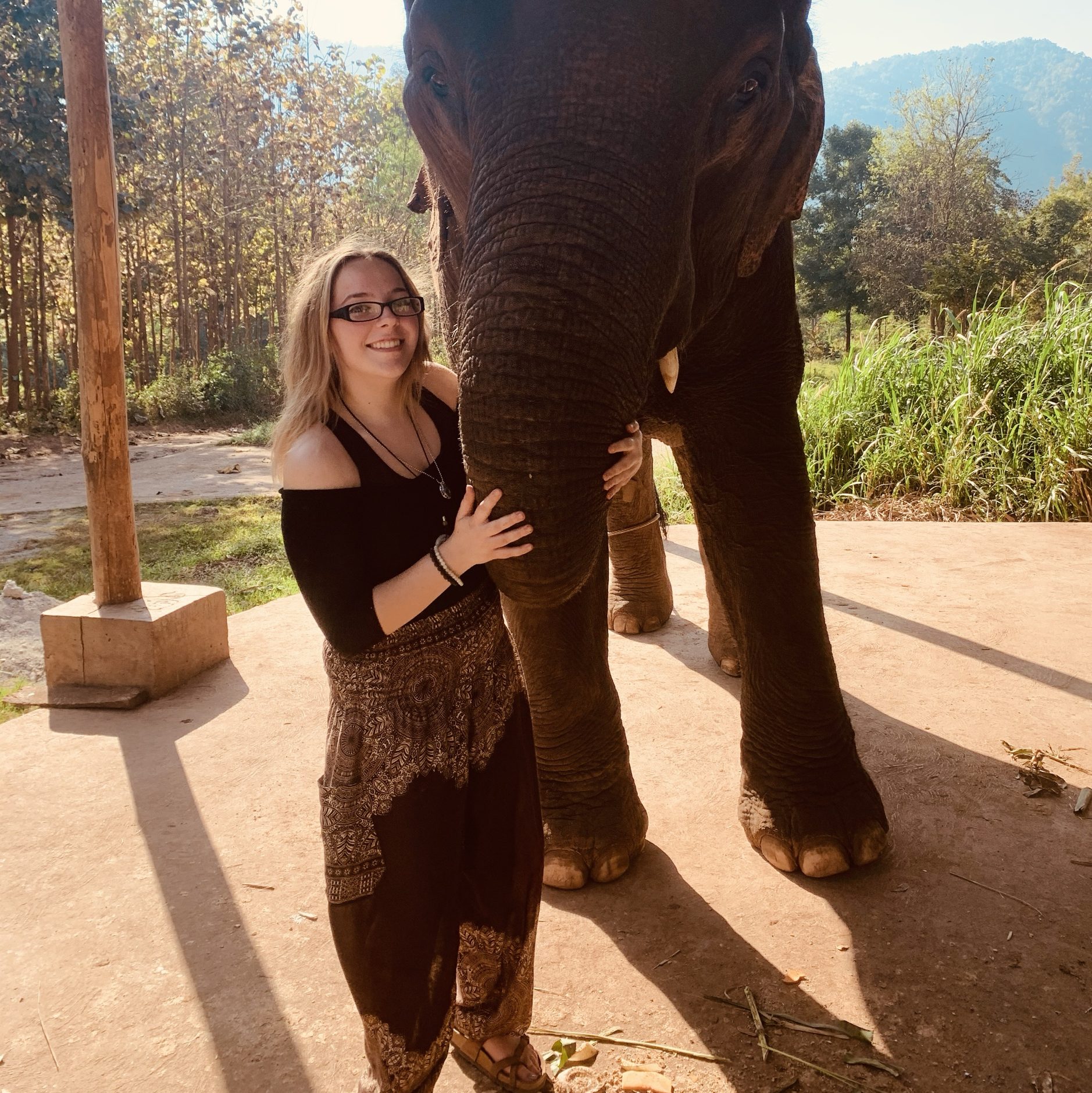
Green Hill Valley is dedicated to ethical practices, and they go beyond just caring for the elephants. We also got to participate in an activity where we learned how the camp uses elephant dung to make paper, a fascinating and sustainable process that helps the sanctuary recycle and repurpose waste. It’s amazing how they’ve turned something that would otherwise go to waste into a valuable, eco-friendly product.
After spending time with the elephants, we were treated to a delicious lunch featuring traditional Burmese dishes. As we ate, we reflected on the meaningful experiences of the day, feeling grateful for the opportunity to witness the camp’s dedication to conservation and the well-being of these incredible creatures. It was a day filled with unforgettable moments, and it’s definitely one of the best experiences I’ve had while traveling.
Nay Pyi Taw
One of the most meaningful experiences of our time in Myanmar was visiting a local school in Nay Pyi Taw, where an alumnus from our college was working as a Peace Corps volunteer. Our class had the opportunity to engage with students, sharing what life in the U.S. was like while they, in turn, gave us insight into their daily lives in Myanmar. It was an enriching cultural exchange that left a lasting impression on all of us.
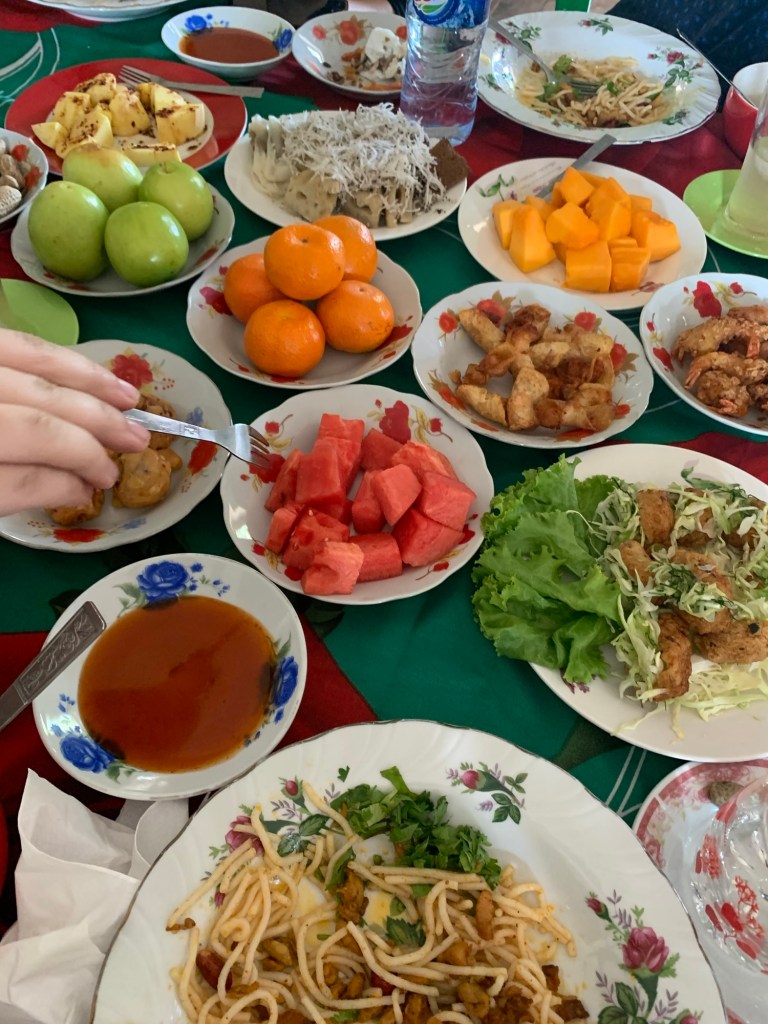
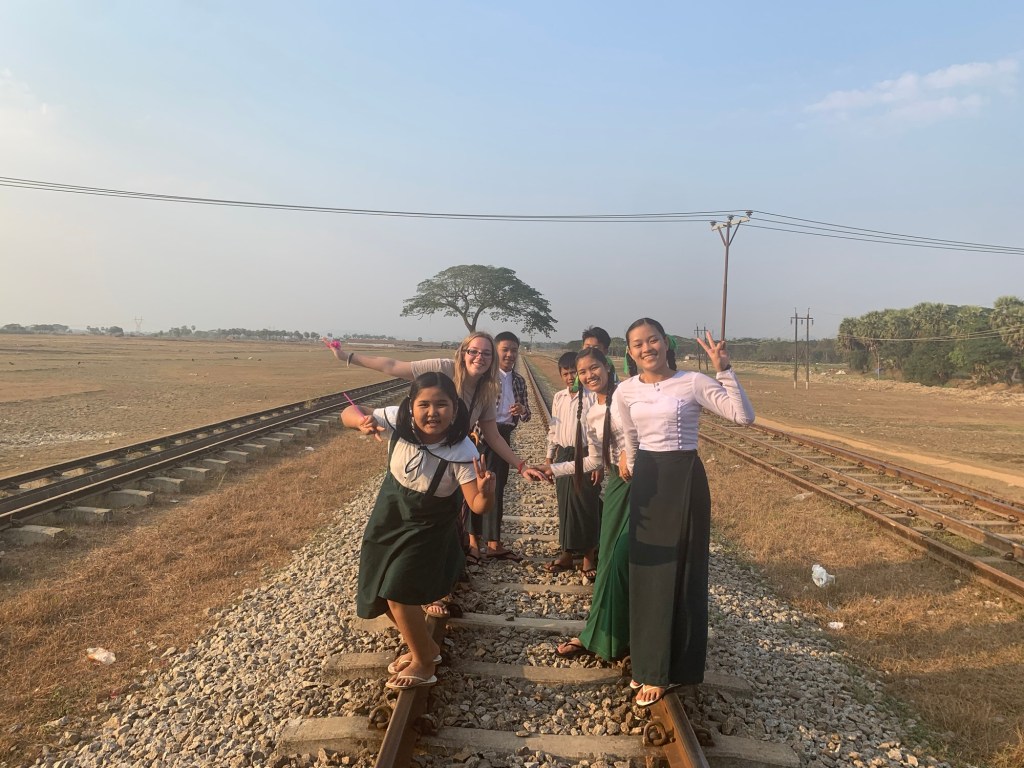
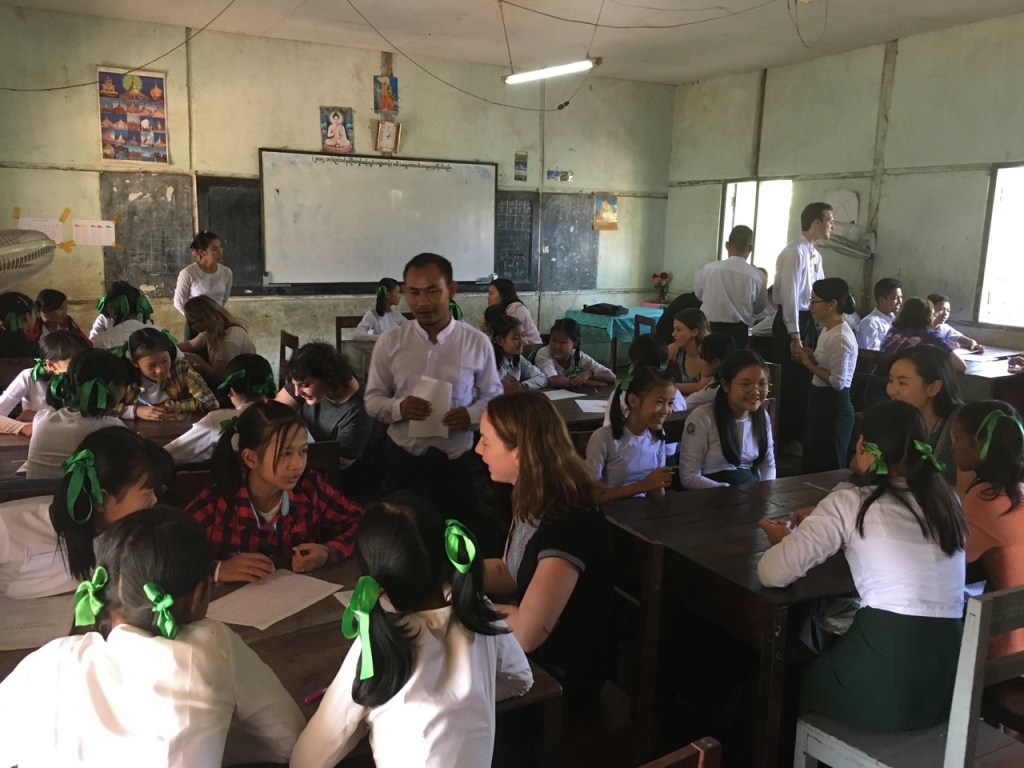
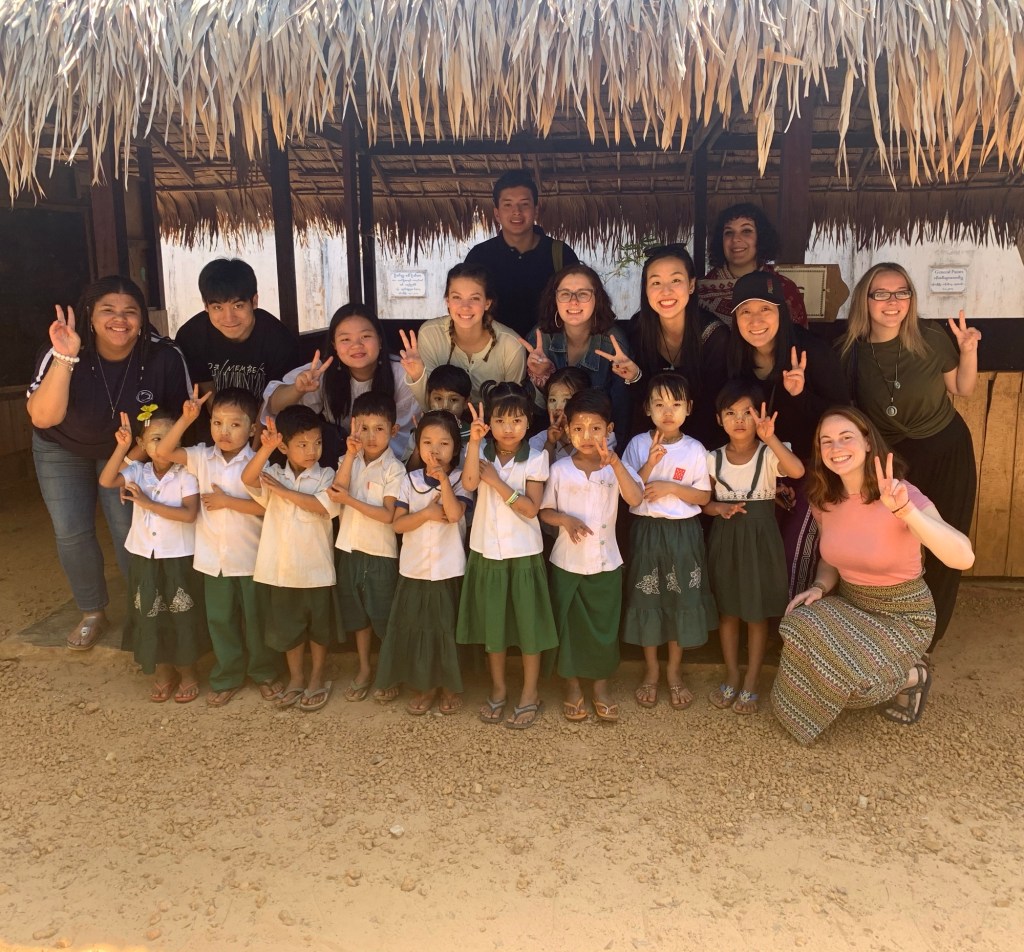
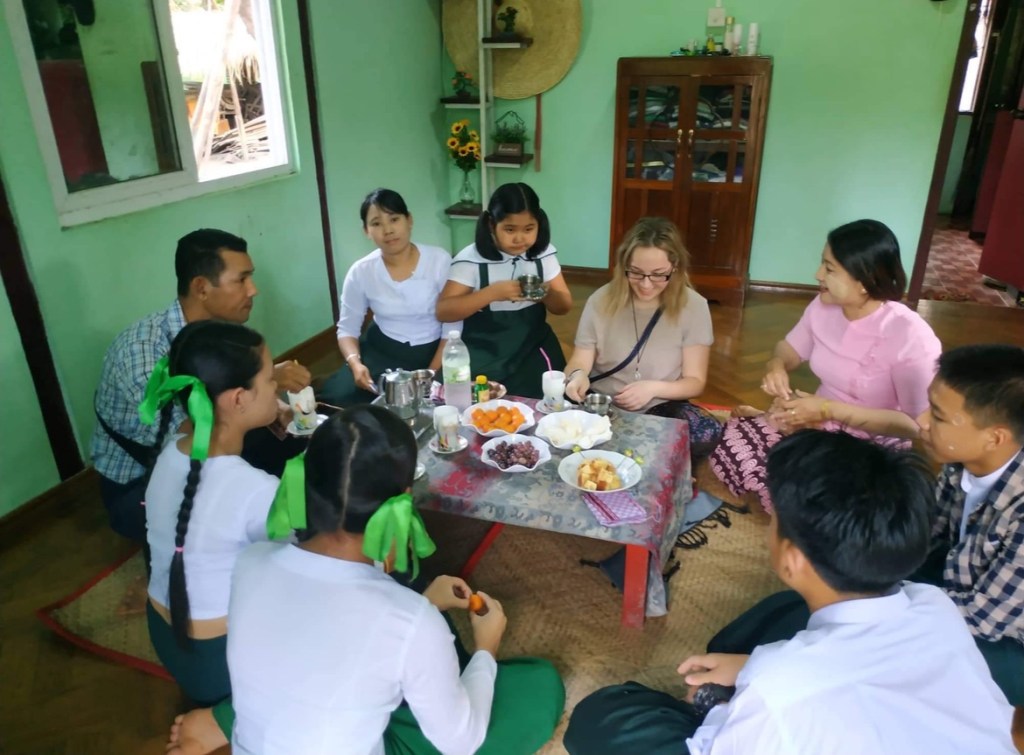
The school and my host family’s hospitality was overwhelming in the best way. They provided copious amounts of food, from flavorful peanut noodles to fresh fruit, ensuring we felt welcomed in every possible way. During a conversation with the principal, she gifted me a bracelet, a small yet deeply meaningful token that I still cherish to this day. My sister and I were particularly moved by the intricate Bodhi leaf patterns on the cups they served us with, so much so that we later got matching tattoos of the design as a permanent reminder of the experience.
The love they showed me will forever be imprinted on my heart. I wasn’t in the best mental state at the time, and seeing the compassion and excitement these strangers gave towards me was more important than they will ever know.
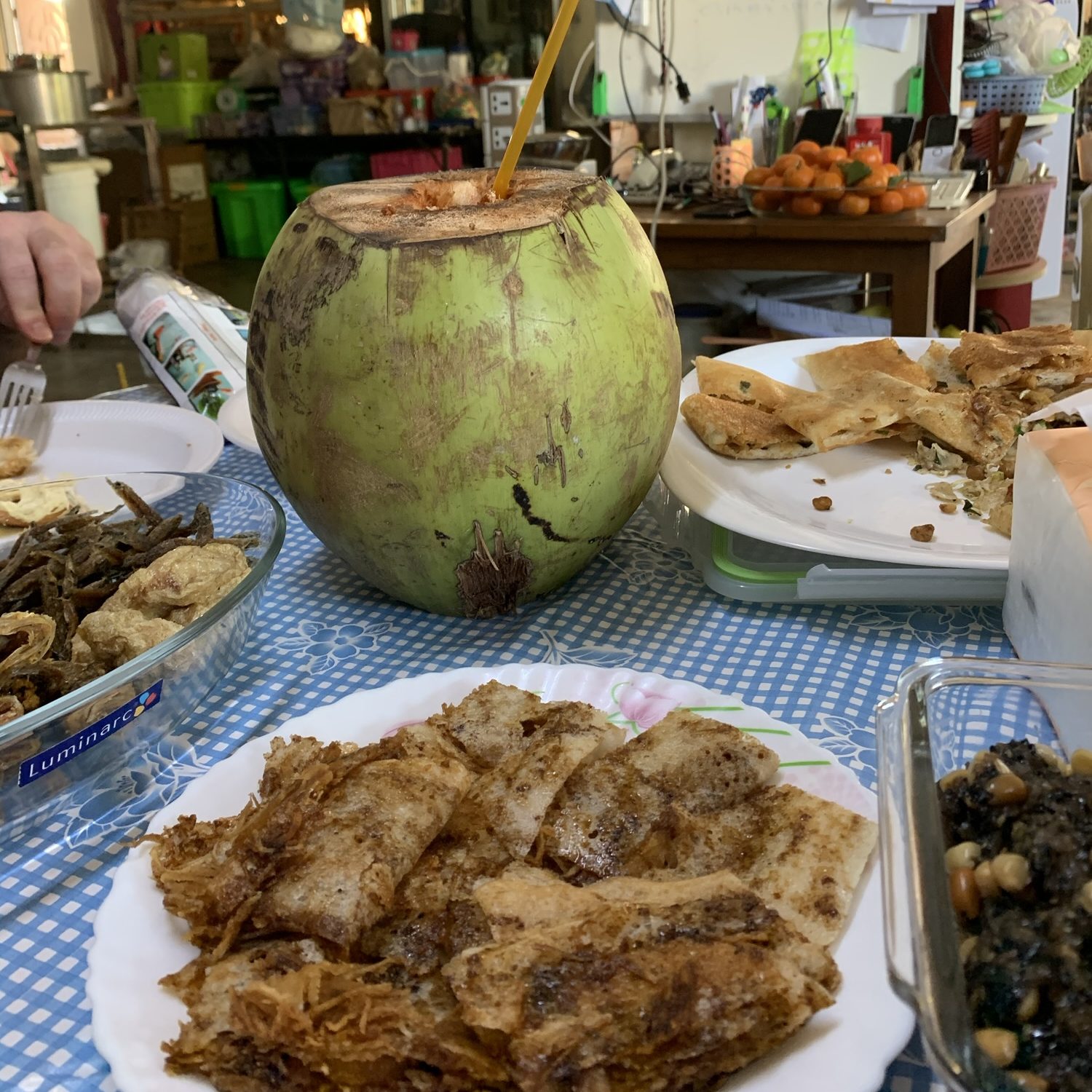
After our visit to the school, each of us had the privilege of spending the day with a local family. My host family welcomed me into their home with open arms, showing me around their lush garden and treating me to an array of local delicacies. Sitting cross-legged on the living room floor, we shared a meal of tea leaf salad, avocado smoothies, and fresh fruits, laughing and exchanging stories despite the language barrier. Later, they brought me to their family’s temple, where I found myself spontaneously dancing with a group of women, one of those rare, beautiful moments of pure human connection that transcends words.
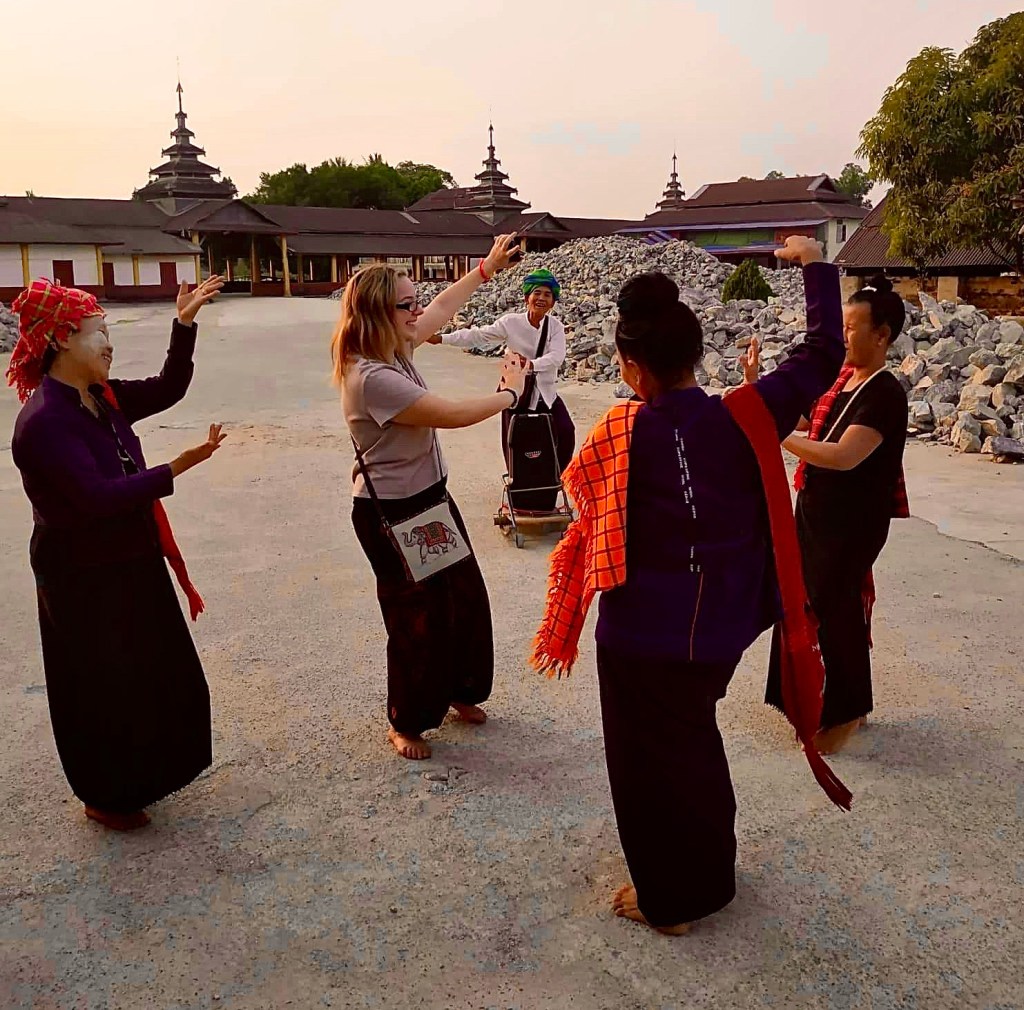
This day remains one of the most special of my life. The warmth and generosity of the people I met that day stay with me, and I still keep in touch with my host family. Myanmar gave me many incredible experiences, but this one, in particular, showed me the power of cultural exchange and the universal language of kindness.
Studying abroad in Myanmar gave me the opportunity to explore a country and culture that profoundly shaped my journey. The experiences and lessons I gained during that time will stay with me forever. It’s been five years since that trip, and I still find myself reflecting on my time there every day. The hospitality, the beauty of Burmese culture, the vibrant landscapes, and the delicious food are memories I’ll always cherish.
That said, I also recognize that Myanmar is currently facing significant challenges, and the reality there is far from perfect. As I look back, I see how my experiences were shaped by privileges I carried as a traveler from a very different background. Even though I grew up with very little, I still didn’t face the same systemic barriers or struggles that many others do. However, Myanmar is so rich in culture and I learned in ways I could never see in the U.S. I left a piece of my heart in this beautiful country and I words cannot describe my gratitude for the generosity of those I met, as well as the ability alone to experience this study abroad.
Gallery
Subscribe
Enter your email below to receive updates.
 Where The Wind Takes Me.