
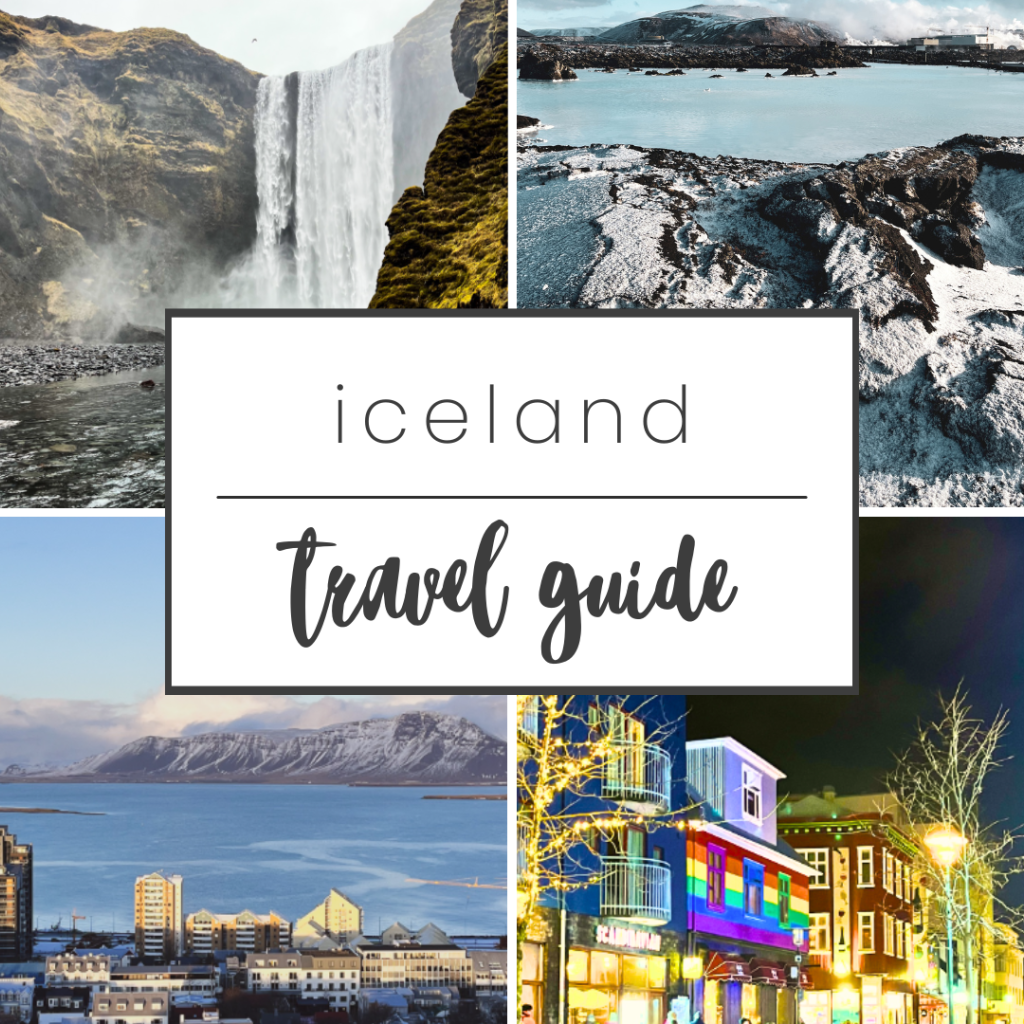
Iceland is magical and otherworldly, my favorite country I’ve visited in Europe. Picture this: jaw-dropping landscapes, massive waterfalls, black sand beaches, and geothermal pools straight out of a dream. If you’re lucky, you may even catch the northern lights! Here’s everything you need to know to make the most of your Iceland adventure, including my experiences from solo traveling to the country.
When to Visit
Iceland is stunning year-round, but your experience will vary depending on the season. I went during February and it was freezing, the weather wasn’t in my favor. I’d suggest going in the spring or summer for more idyllic weather.
Winter (November – March): Northern Lights, ice caves, and snowy landscapes, but shorter daylight hours and harsher weather.
Spring (April – May): Fewer crowds, mild weather, and waterfalls at their peak from melting snow.
Summer (June – August): Midnight sun, lush landscapes, and best time for hiking, but also the busiest and most expensive season.
Fall (September – October): Fewer tourists, decent weather, and the Northern Lights start making an appearance again.
Language
The official language of Iceland is Icelandic, which has remained largely unchanged for centuries. But don’t worry, most Icelanders speak excellent English, especially in tourist areas. You’ll have no problem asking for directions, ordering food, or chatting with locals. Still, it doesn’t hurt to learn a few Icelandic phrases and locals appreciate the effort:
Takk (Thank you)
Halló (Hello)
Bless (Goodbye)
Currency
Iceland uses the Icelandic Króna (ISK). Credit and debit cards are widely accepted, even for small purchases, so you won’t need to carry much cash. For a weekend trip I brought the equivalent of $200 USD, but I honestly didn’t need to bring it, as everywhere took cash.
However, if you do want some, you can withdraw ISK from ATMs at the airport or in major towns. Tipping isn’t expected in Iceland, as service charges are typically included in prices.
Outlets
Outlets: Iceland uses Type F plugs (same as most of Europe) with a standard voltage of 230V and a frequency of 50Hz. If you’re coming from the U.S., Canada, or the UK, you’ll need a plug adapter and possibly a voltage converter if your devices don’t support 230V. Most modern electronics (phones, laptops) are dual voltage, but double-check before plugging them in! This is the converter I use from Target, it’s cheap and reliable!
Packing Essentials
Iceland’s weather is unpredictable, so packing smart is a must. Whether you’re going in winter or summer, always bring:
- Waterproof jacket & pants (because Iceland doesn’t play when it comes to rain and wind)
- Thermal base layers, fleece, and a good down jacket for winter
- Hiking boots, preferably waterproof
- Gloves, hat, and warm socks (even in summer, nights can be chilly. don’t be a dumbass like me and forget socks in February)
- Swimsuit or all the hot springs and geothermal pools, the Blue Lagoon does have rentals for $5 if you forget
- Portable charger (you’ll be taking way too many photos)
Getting Around
Iceland isn’t the type of place where you rely on public transportation. You have two solid options:
- Rent a Car: If you want full freedom, a 4×4 is best, especially in winter or if you’re venturing into the Highlands. The KEF Airport has a spot where you can rent cars as soon as you get off your flight.
- Tours & Shuttles: If driving isn’t your thing, there are tons of tour companies offering guided trips to the main sights.
- In Reykjavik, you can walk to pretty much any of the main sites. Public transportation is also cheap (about $2-4 a ride) if you need to get elsewhere. Google Maps was very accurate with times and stops1
Must-See Places & Experiences
Blue Lagoon
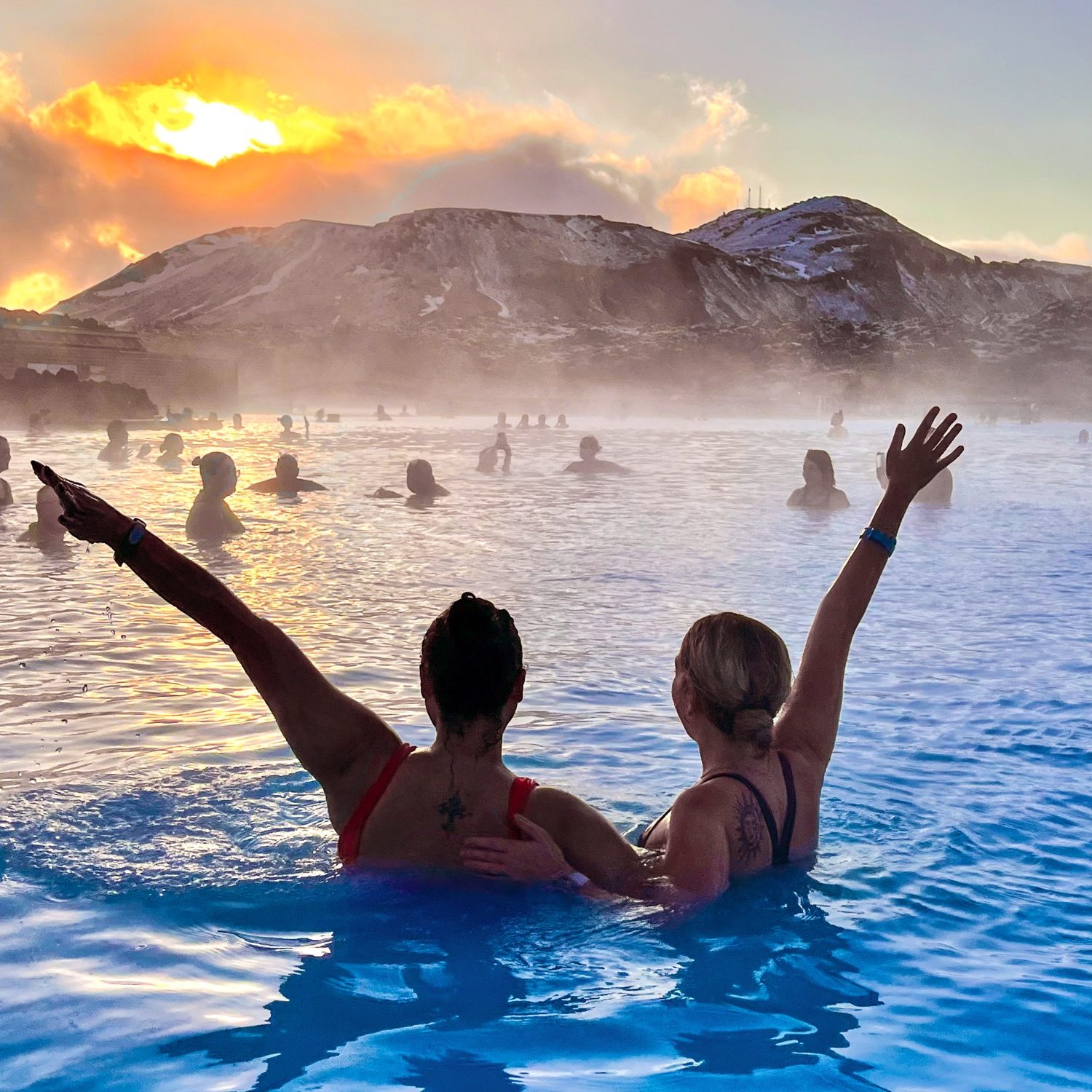
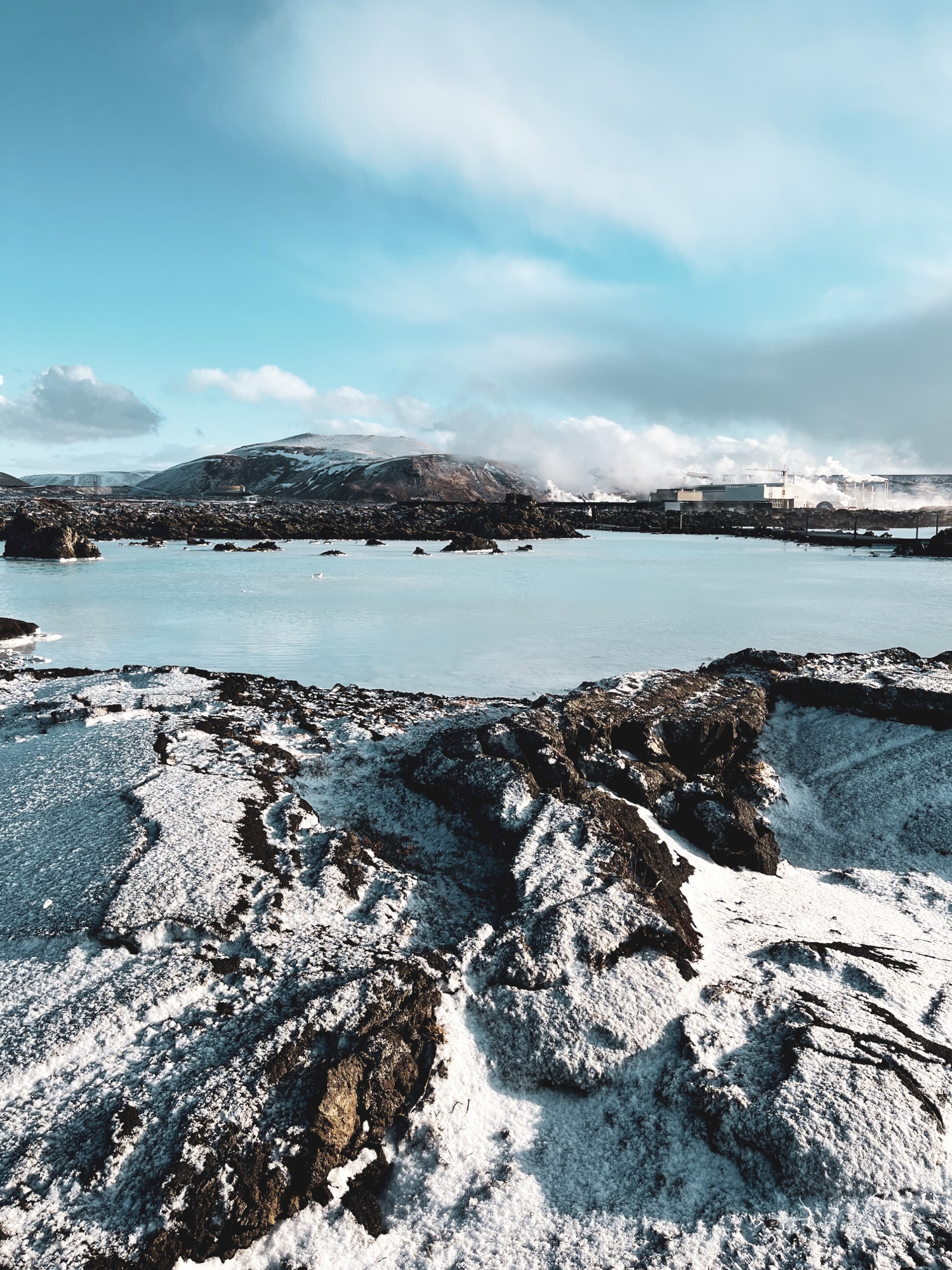
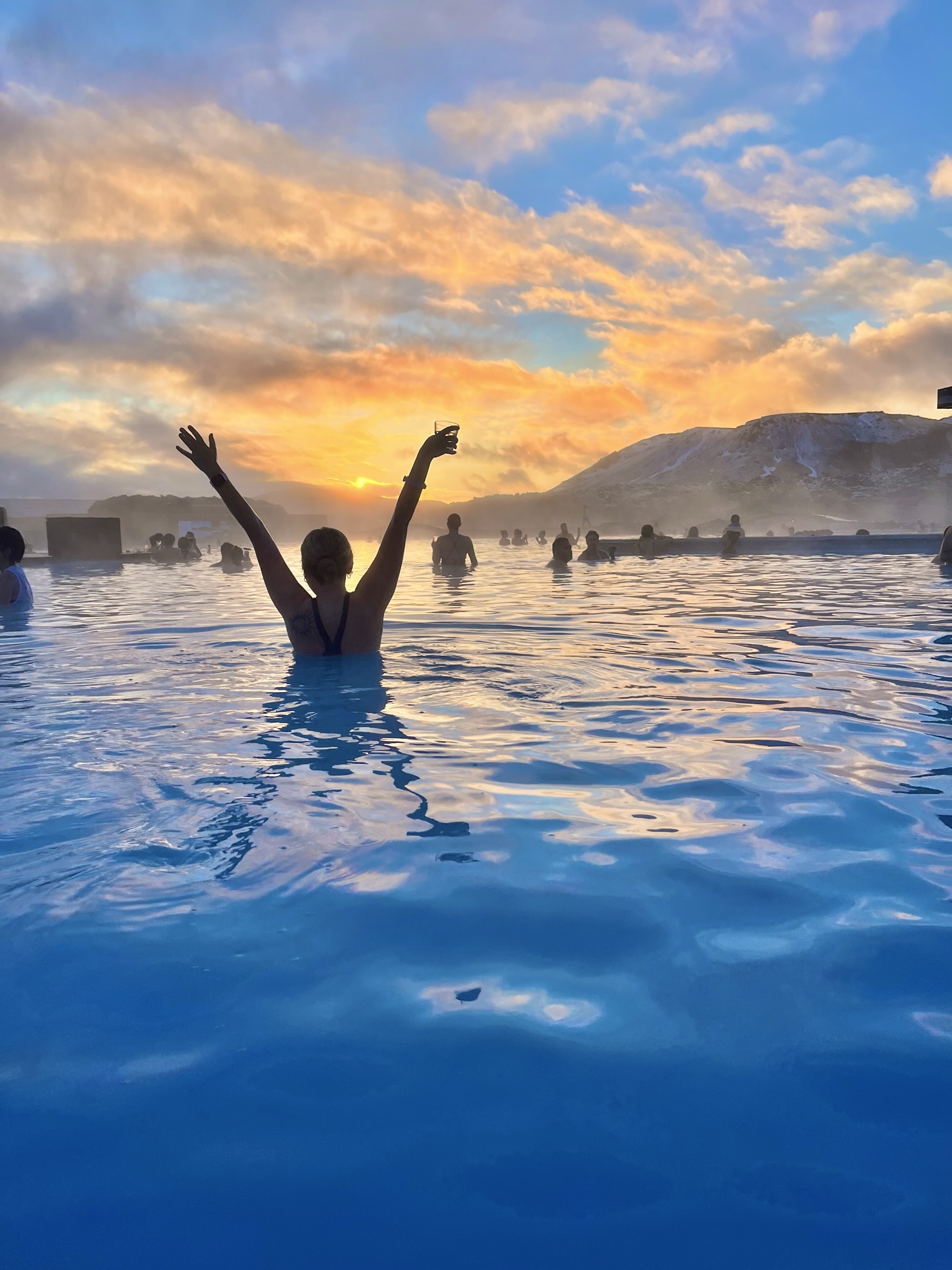
No trip to Iceland is complete without experiencing the Blue Lagoon, the country’s most famous geothermal spa. Nestled in a rugged lava field just 20 minutes from Keflavík Airport, this milky-blue oasis is a striking contrast to the surrounding black volcanic rock. While it’s undeniably one of Iceland’s most tourist-heavy attractions, it still offers a uniquely relaxing experience that justifies the visit—at least once.
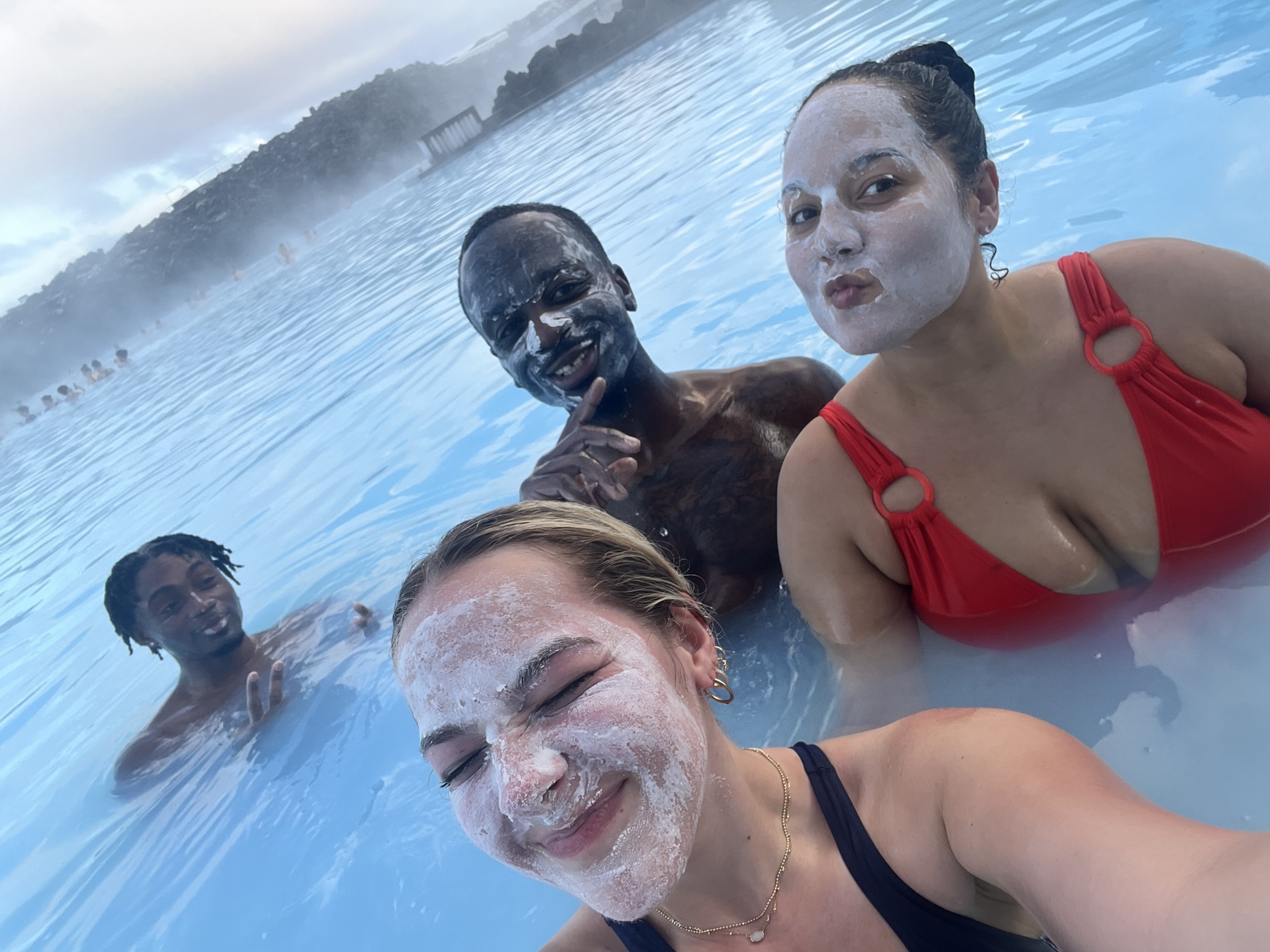
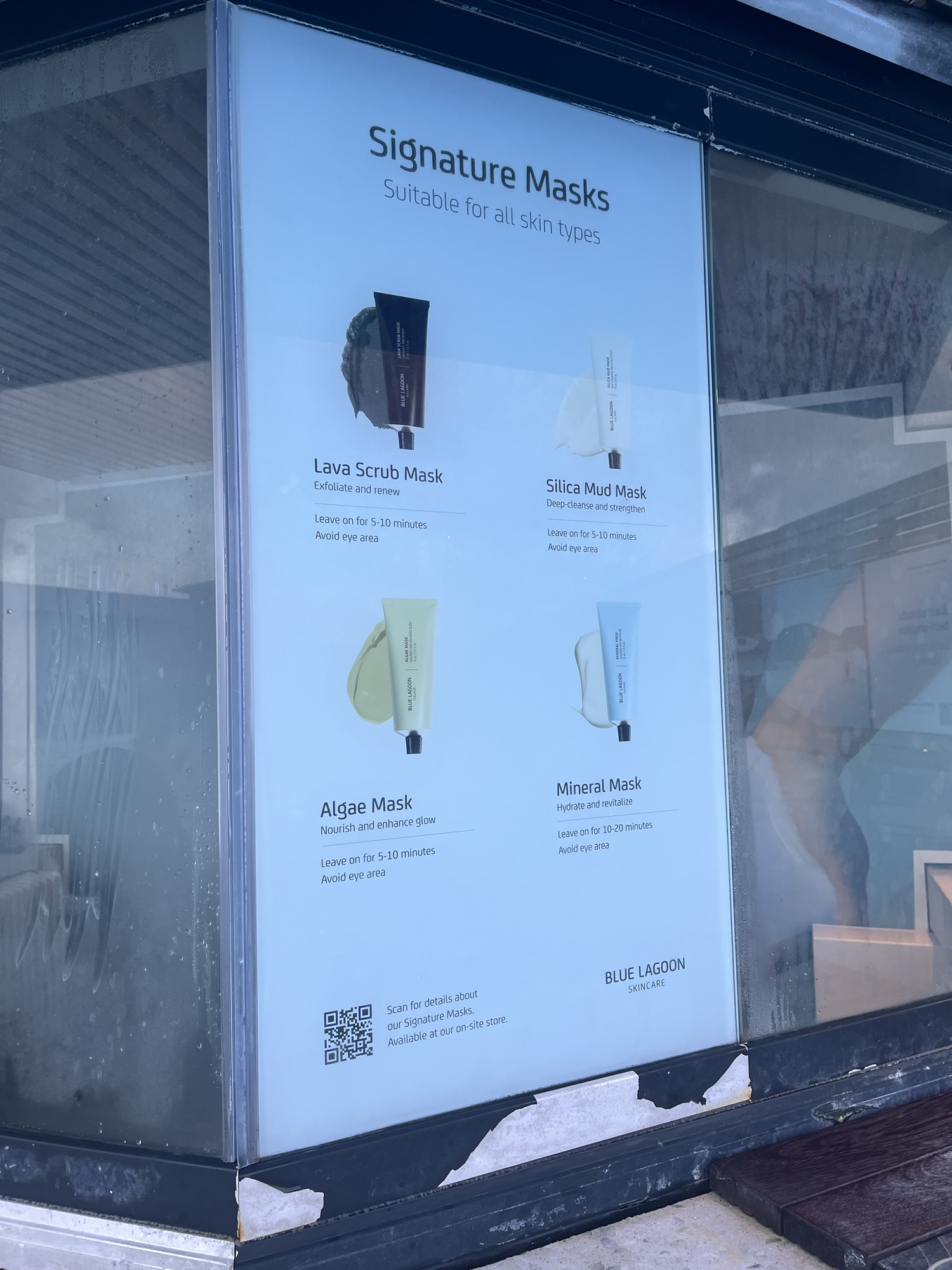
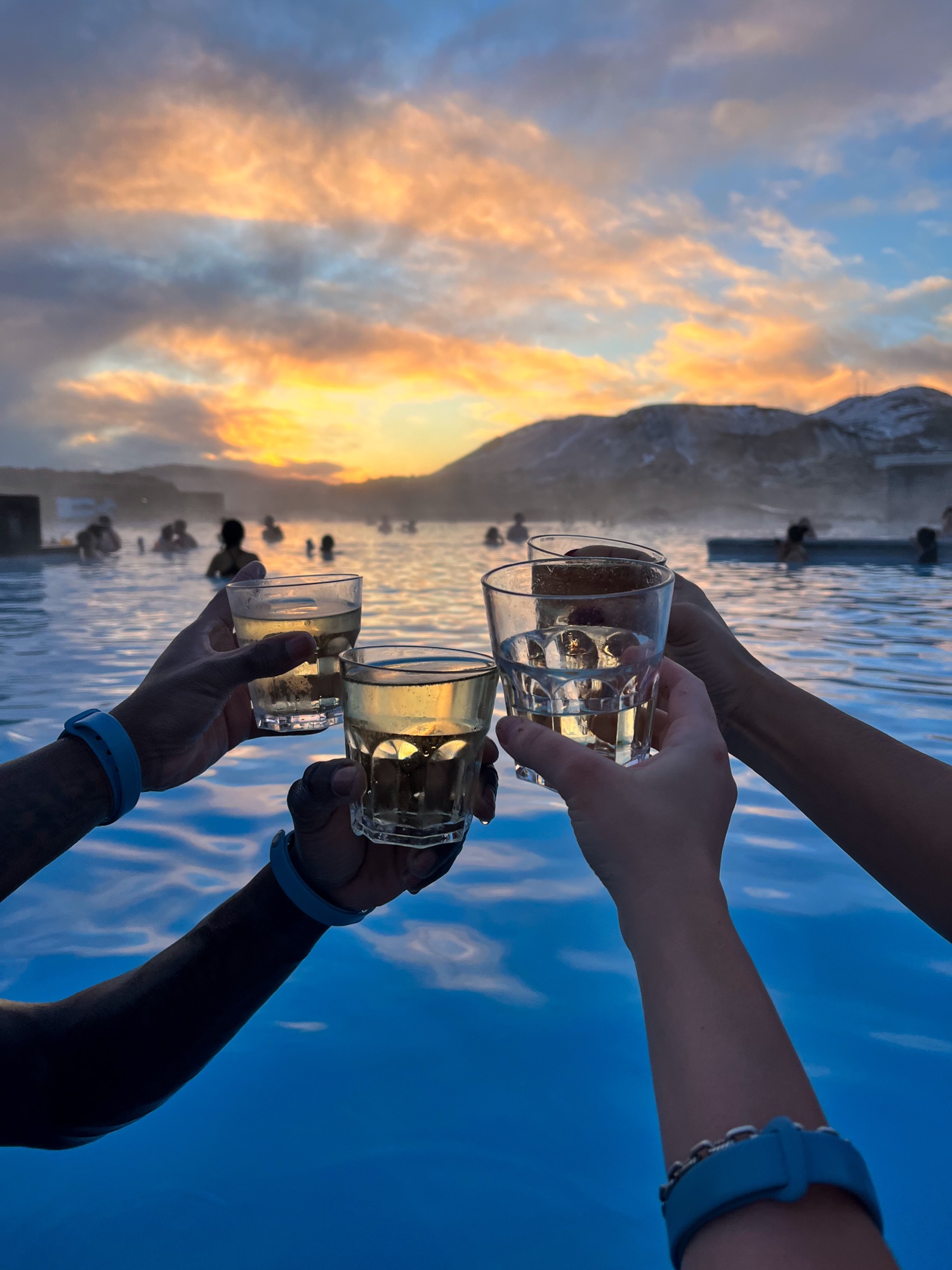
The lagoon’s mineral-rich, geothermal seawater is known for its soothing and skin-rejuvenating properties, thanks to the high concentration of silica, algae, and minerals. Guests can enhance their visit with a complimentary silica mud mask, a swim-up bar experience, or even a luxurious in-water massage. The best way to make the most of it? Arrive early or opt for a premium package for a more exclusive, less crowded soak.
While the Blue Lagoon does come with a hefty price tag and often sells out weeks in advance, its surreal atmosphere and world-class spa amenities make it one of Iceland’s most iconic experiences. If you’re visiting for the first time, it’s well worth adding to your itinerary, just be sure to book ahead!
Reykjavik & Golden Circle
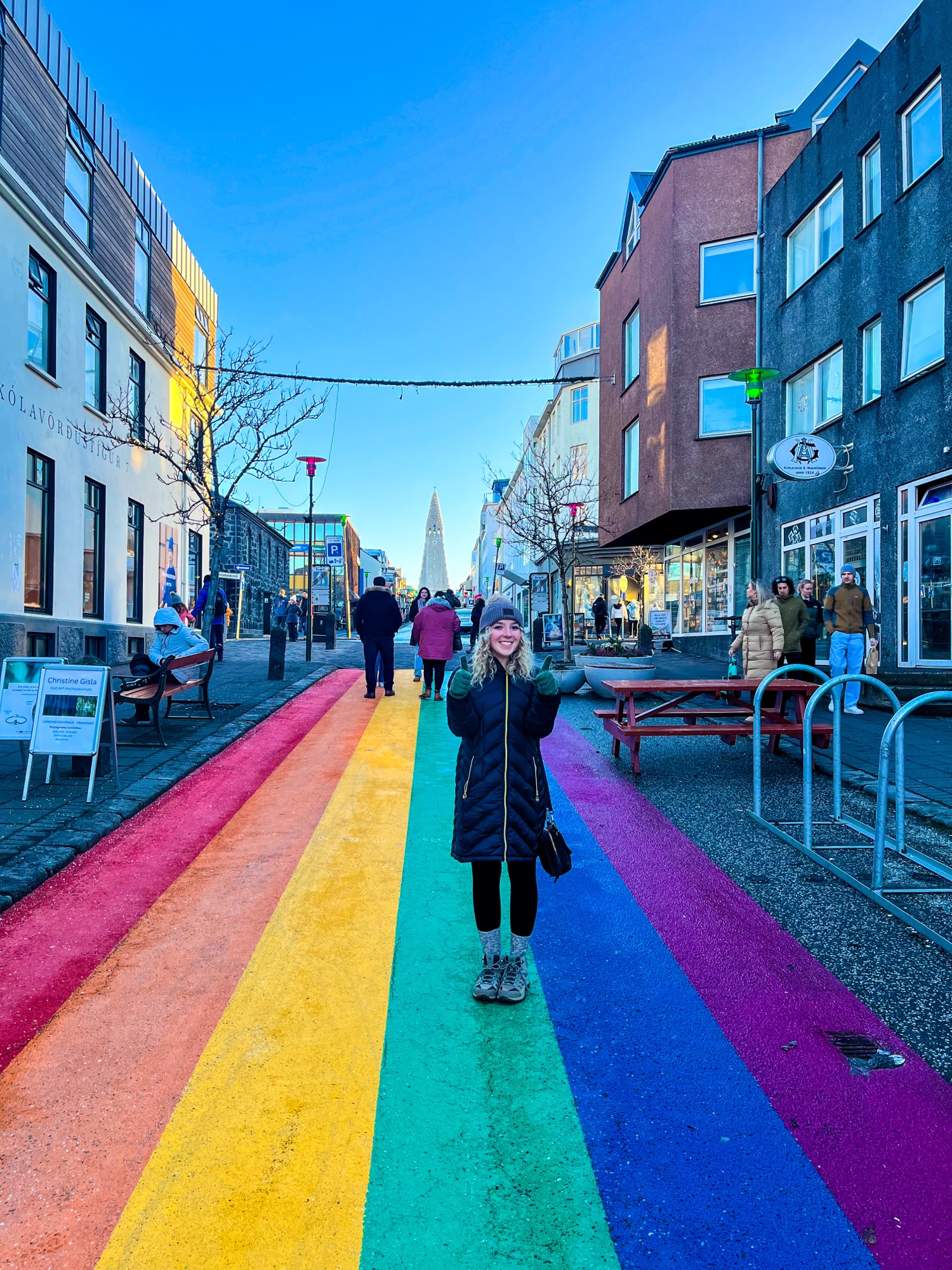
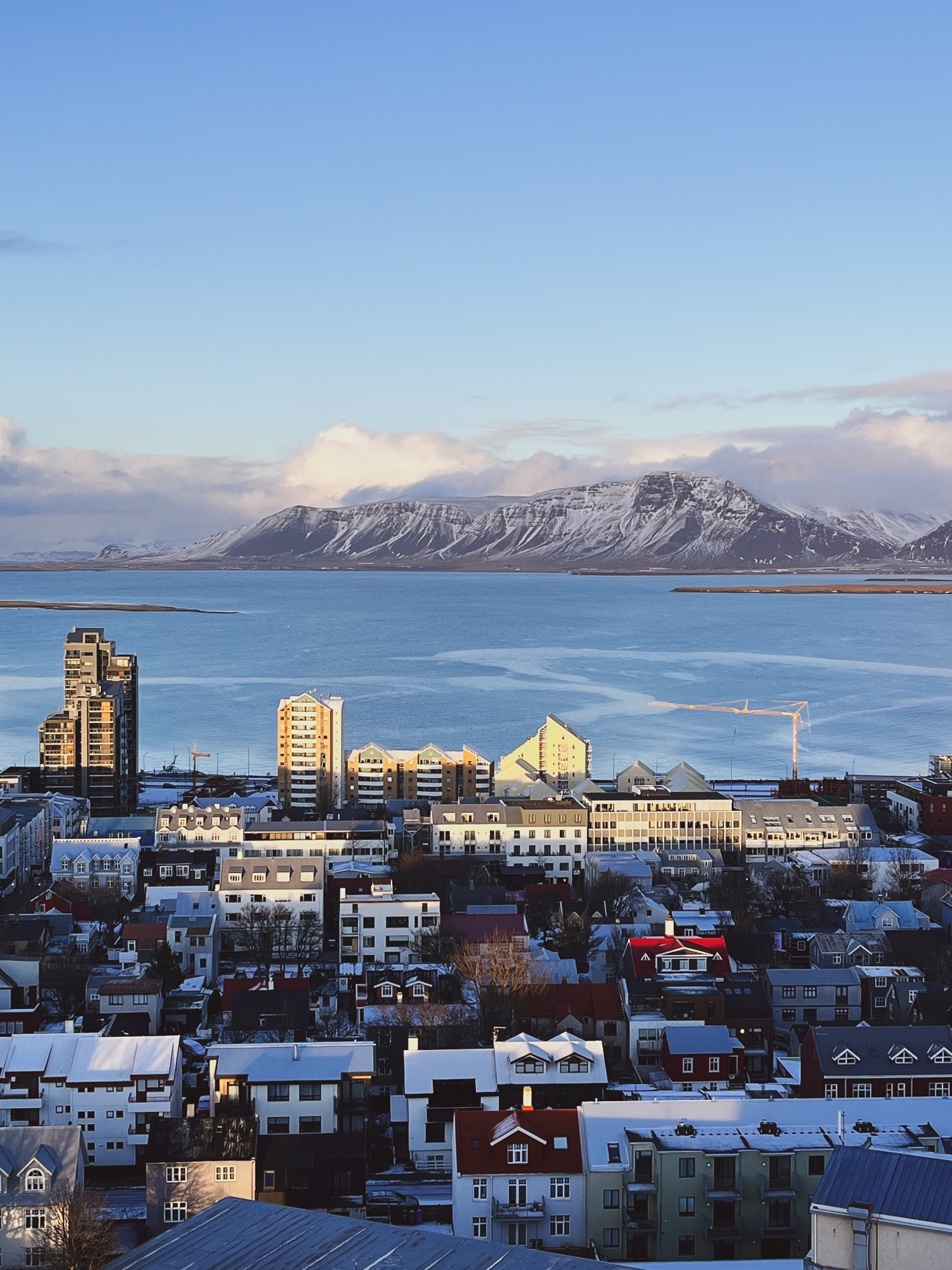
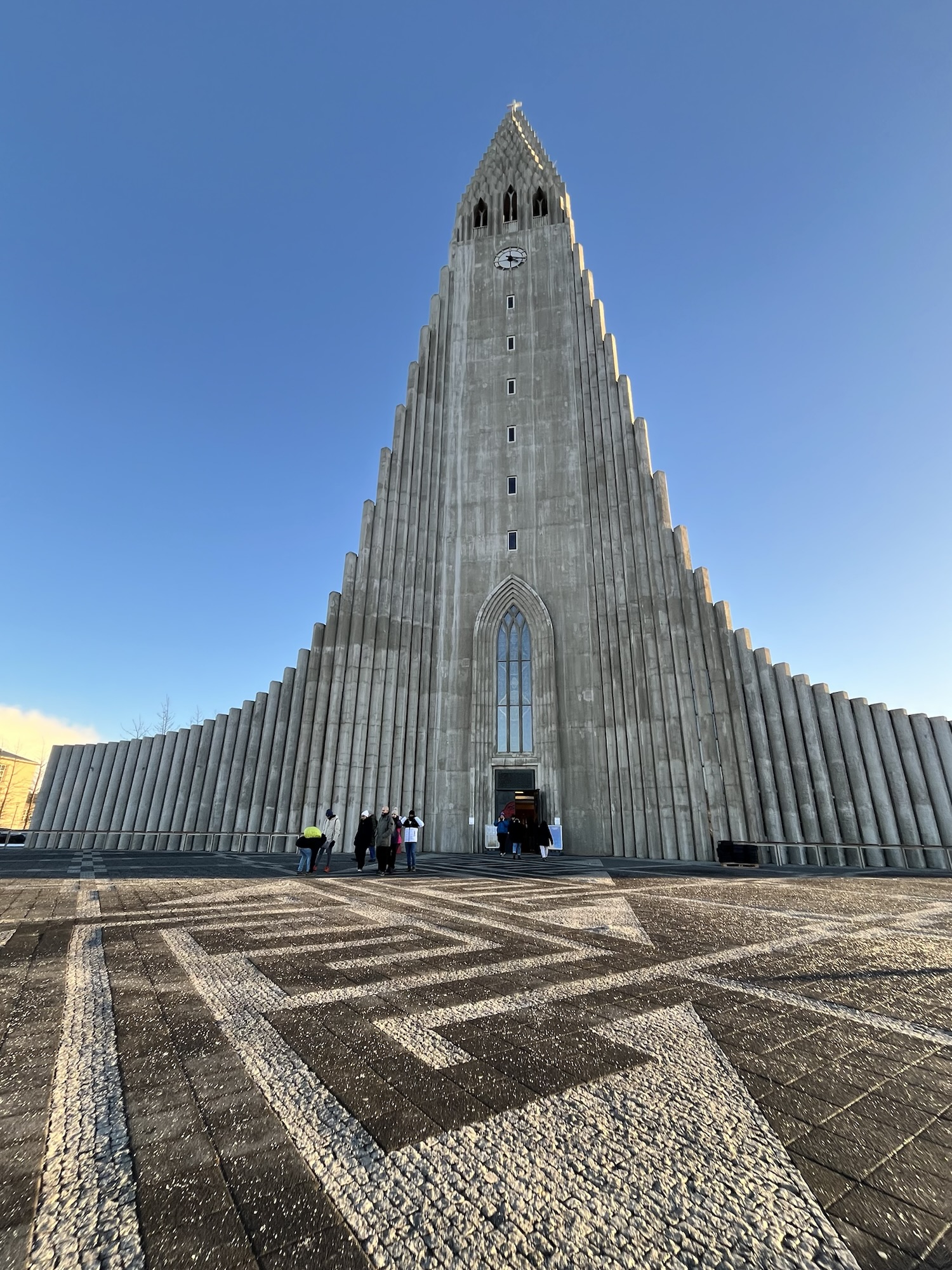
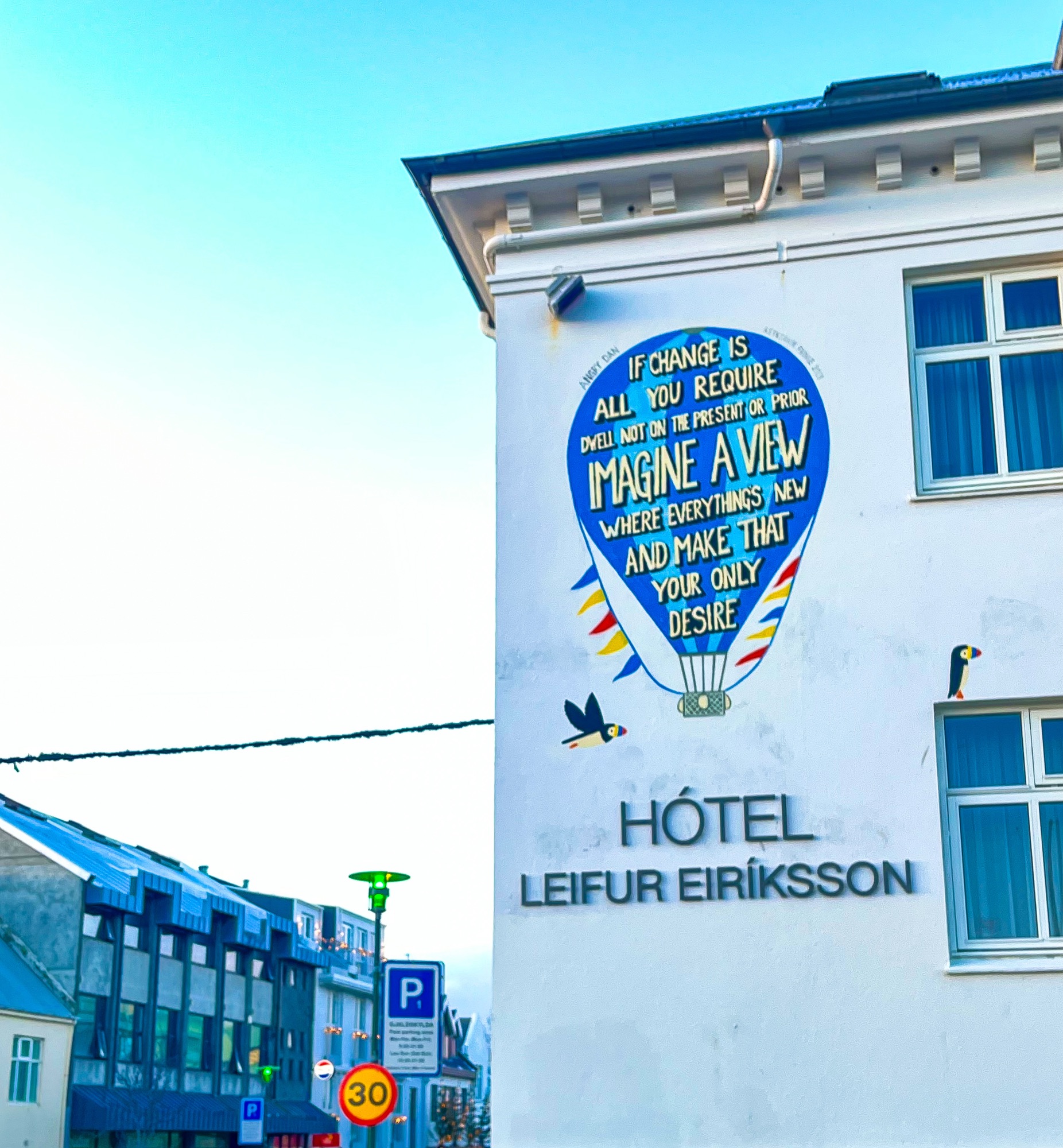
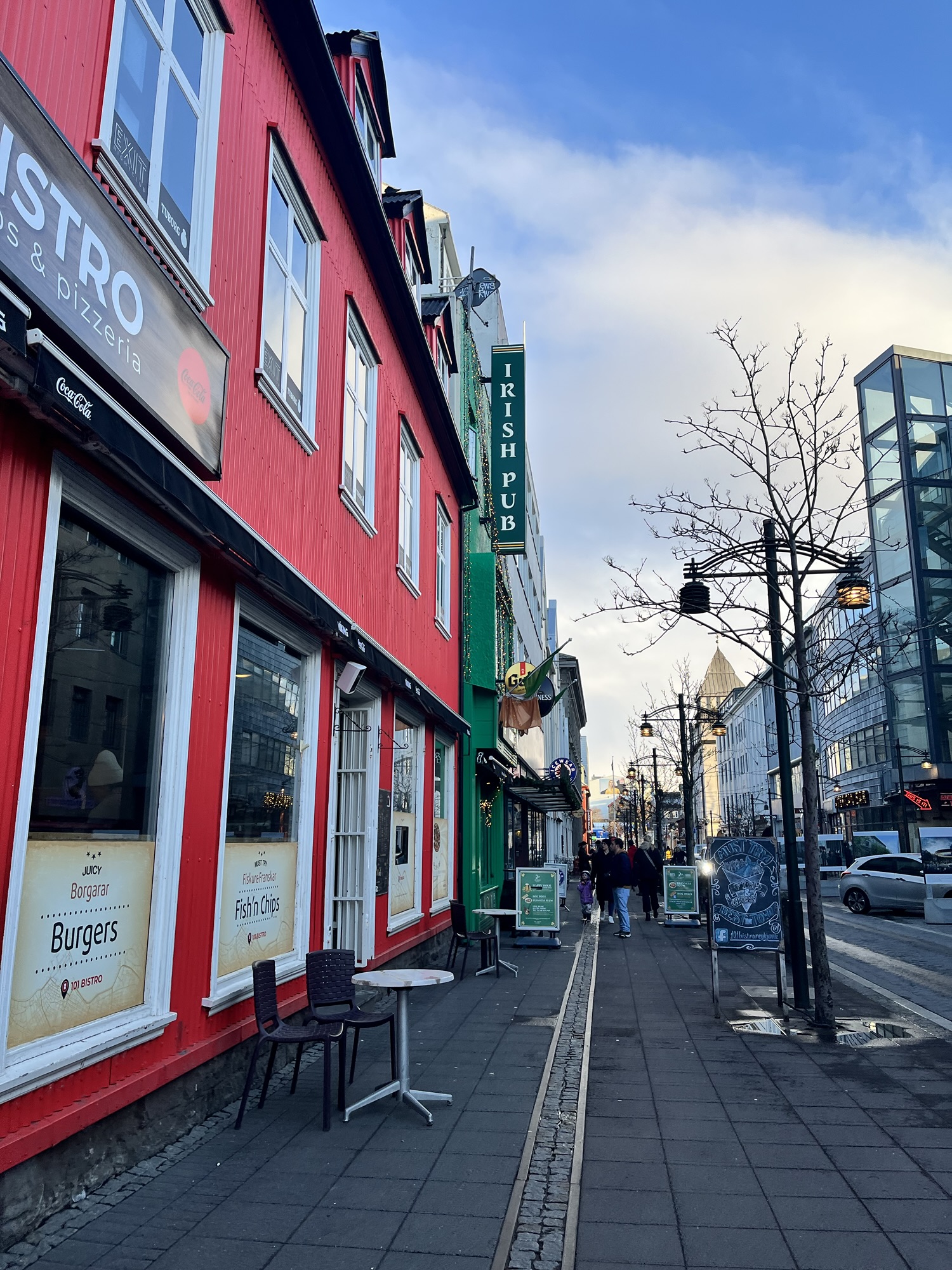
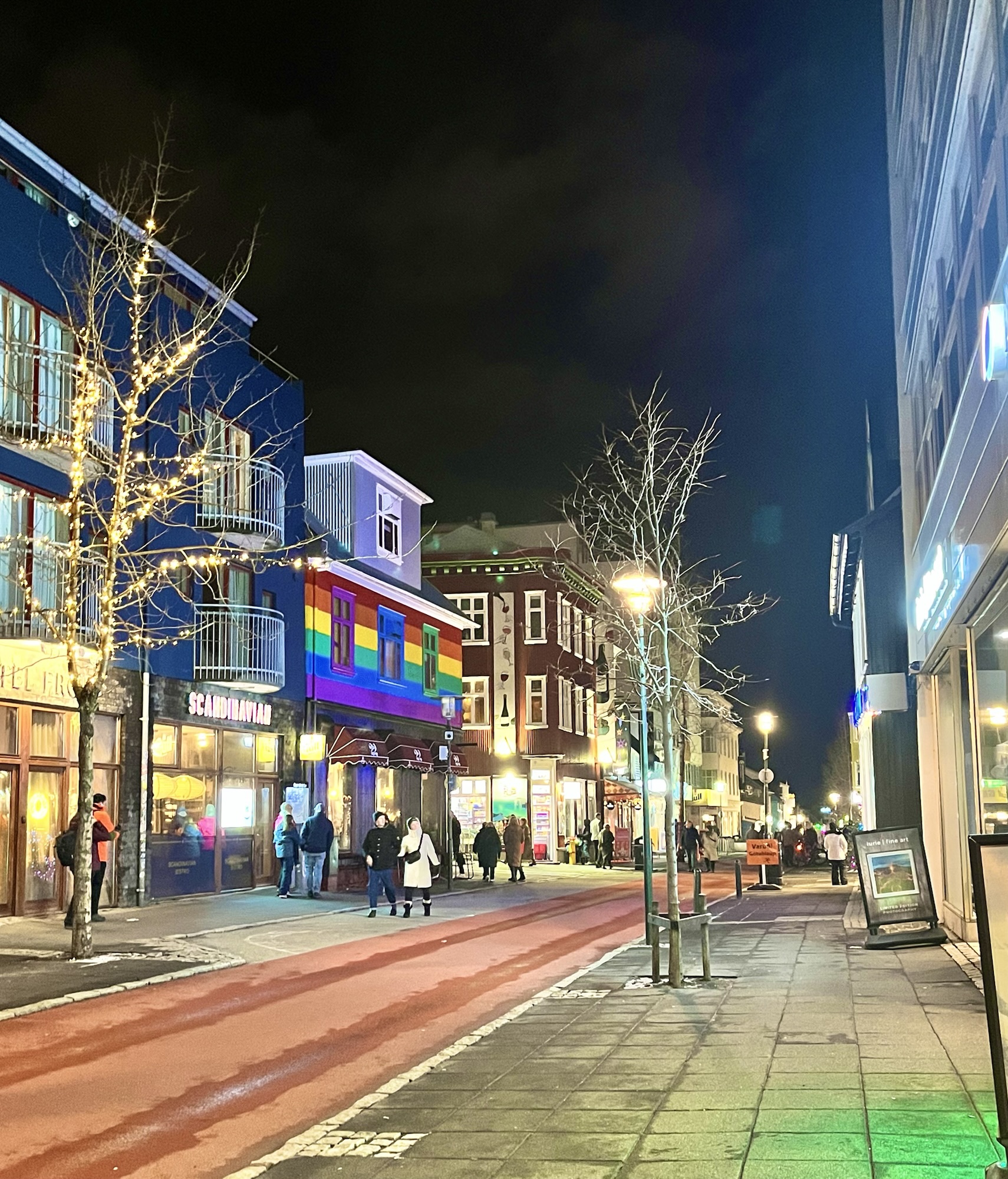
- Explore Reykjavik: Iceland’s colorful and quirky capital.
- Visit the Blue Lagoon or Sky Lagoon for a proper geothermal soak.
- Drive the Golden Circle to see Thingvellir National Park, Geysir, and Gullfoss Waterfall. I didn’t personally go to The Golden Circle, but everyone I spoke with who did said they loved it!
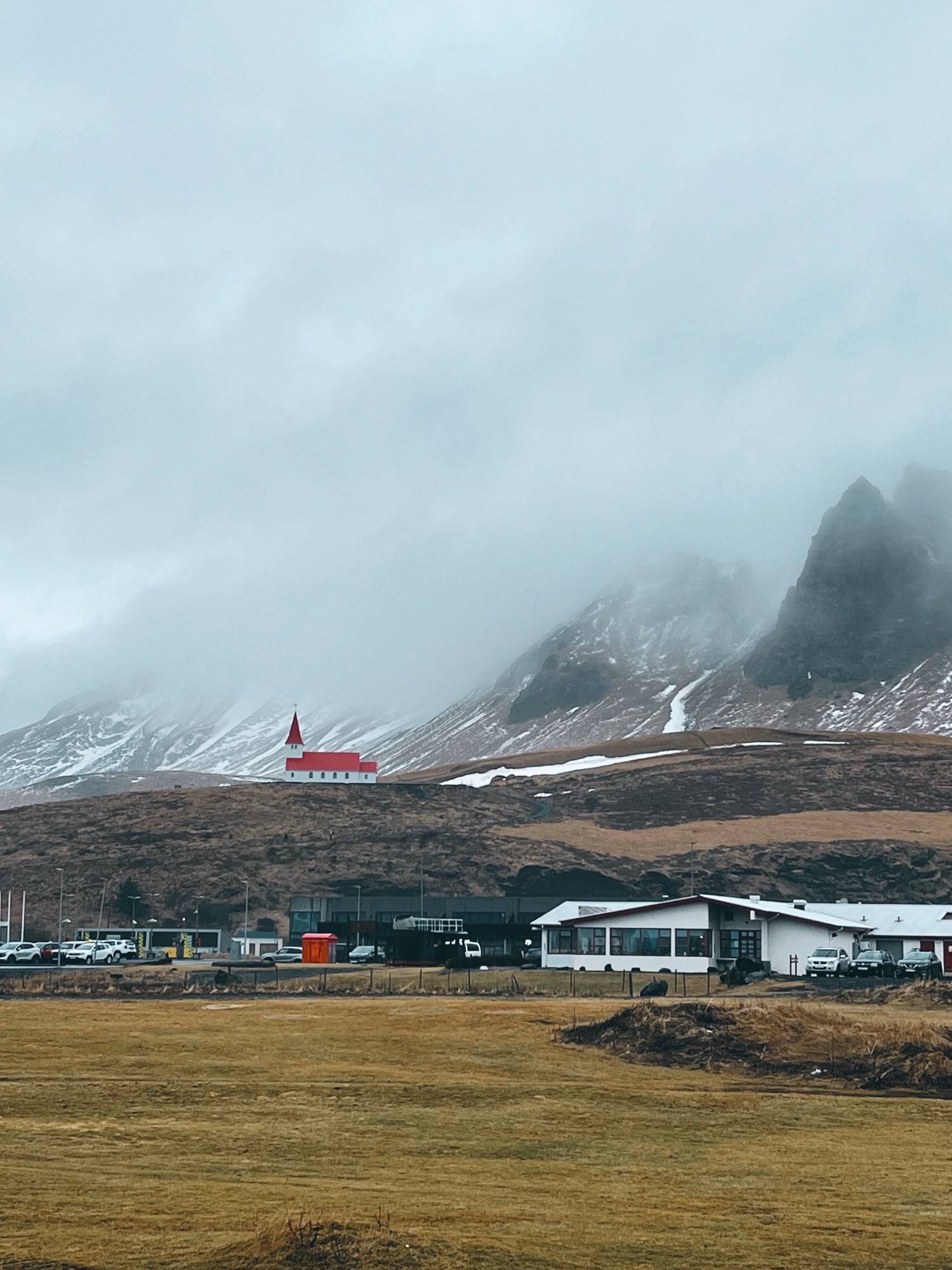
South Coast
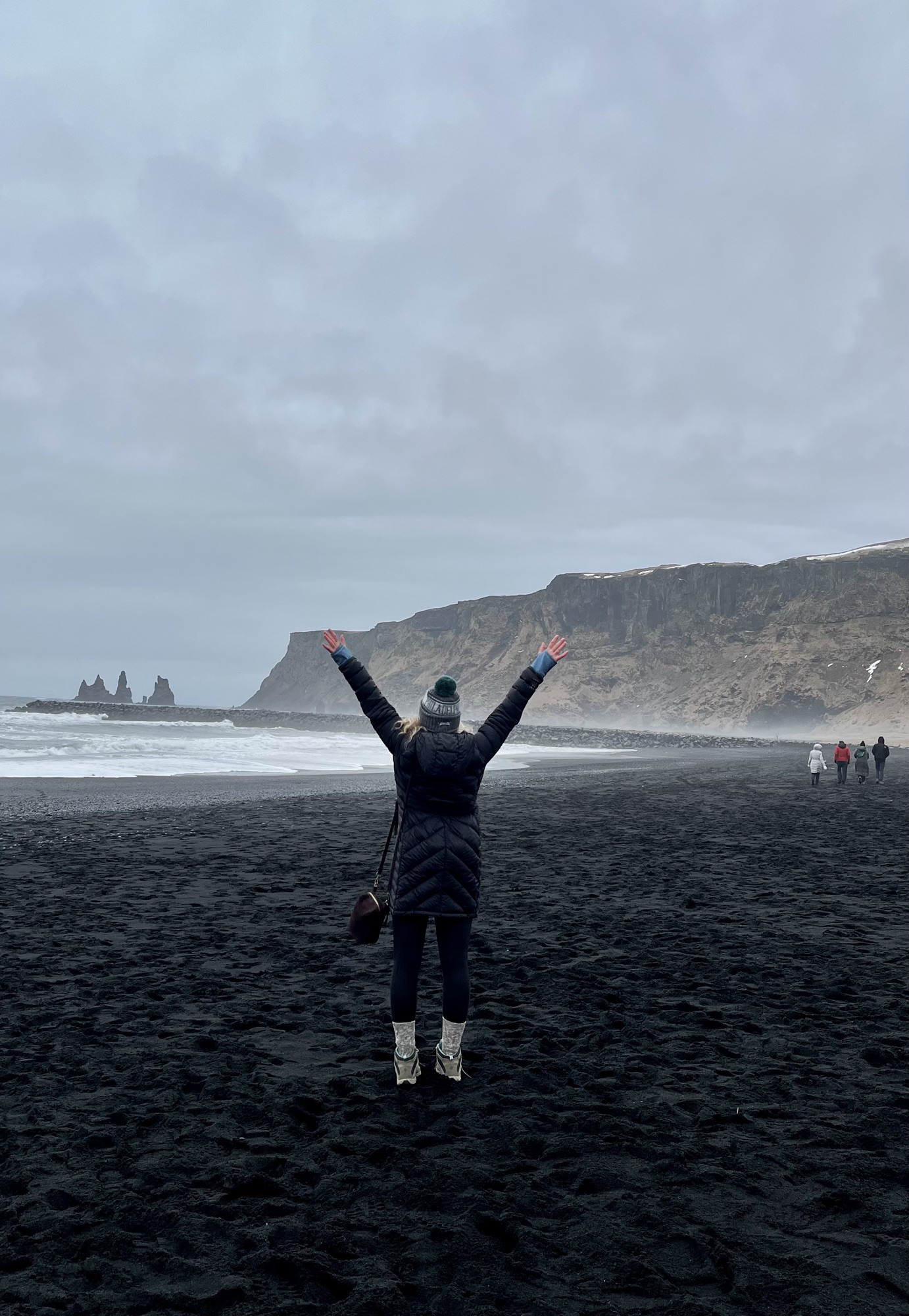
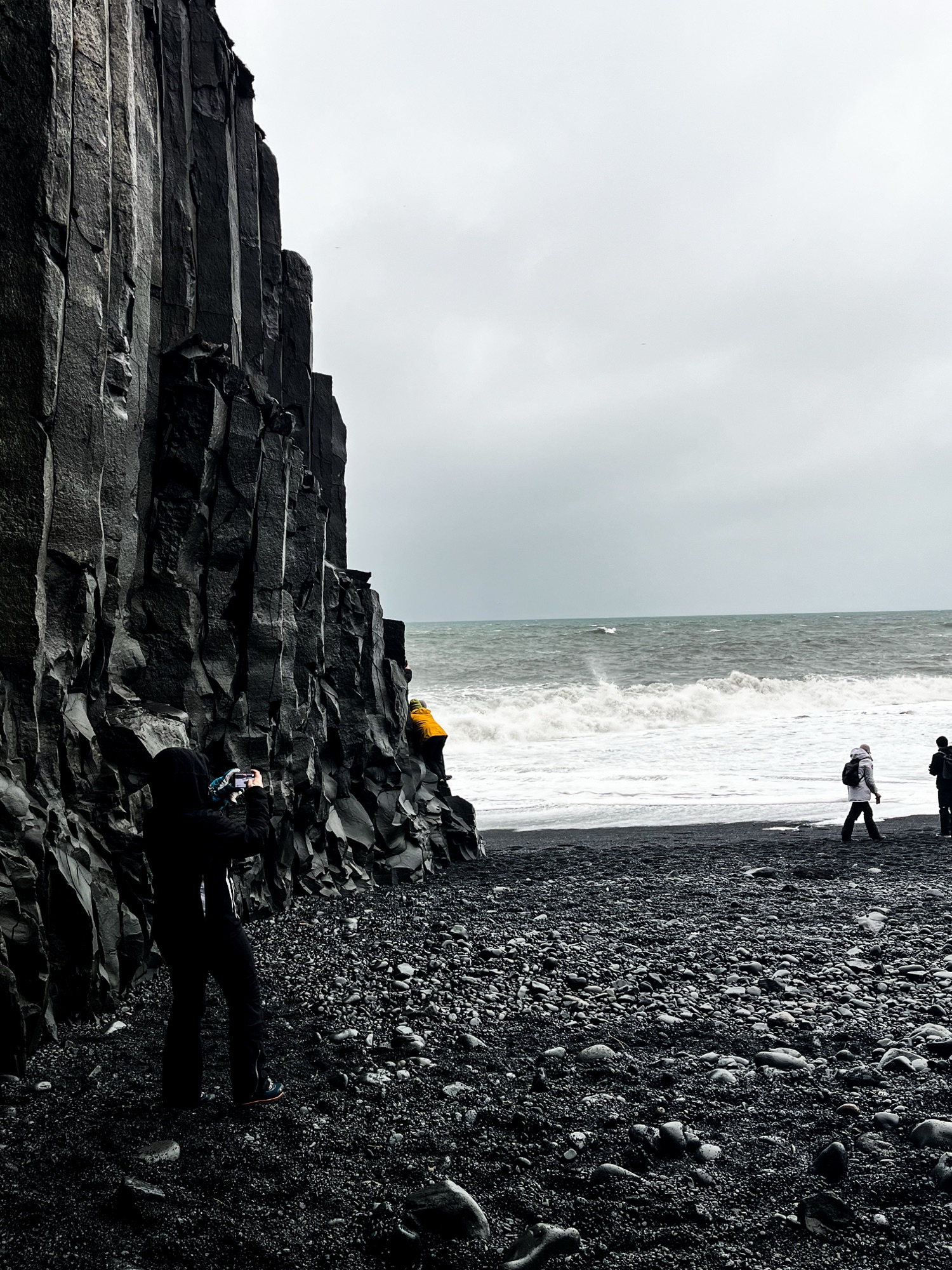
- Walk on black sand beaches at Reynisfjara (but don’t get too close!)
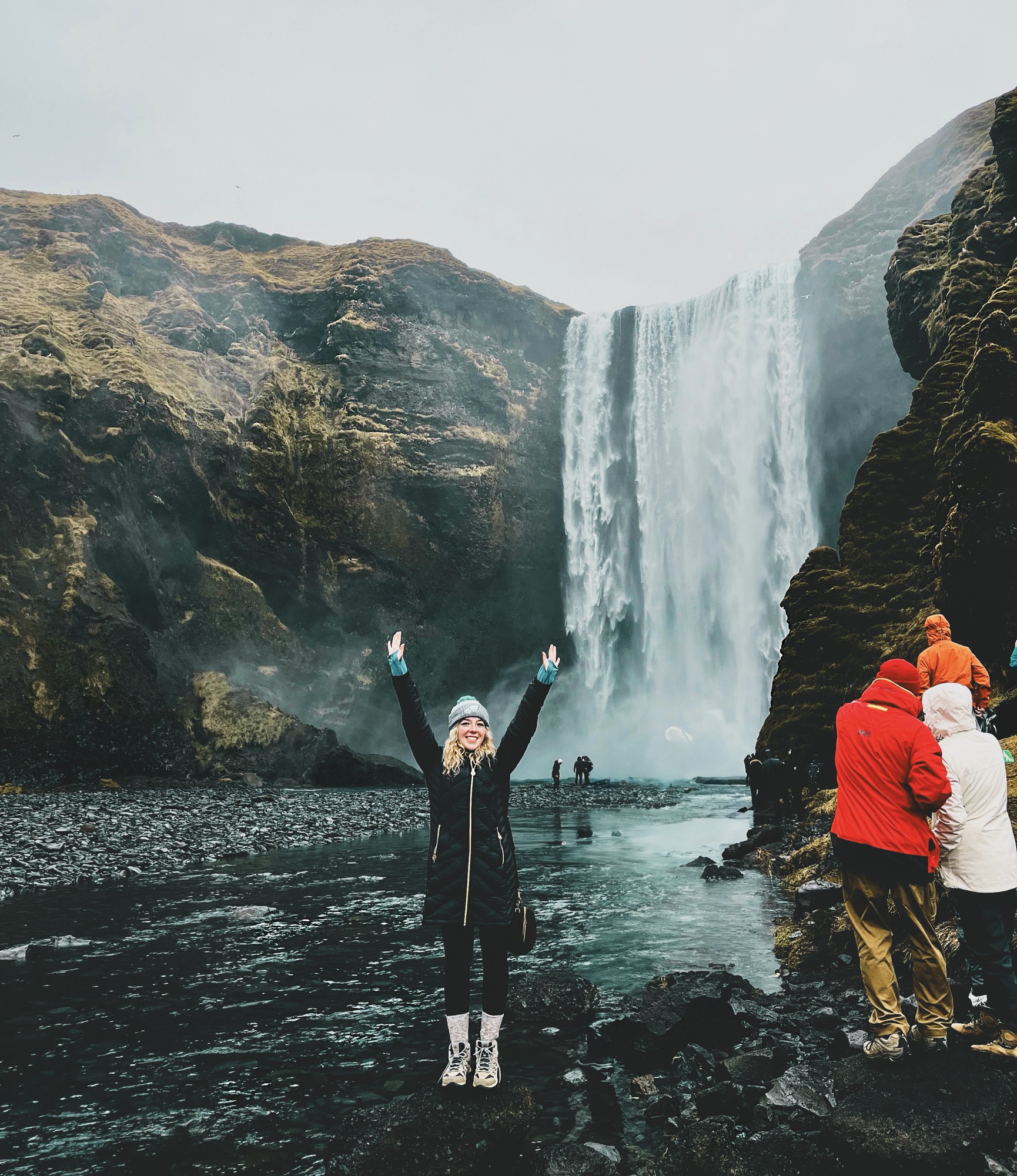
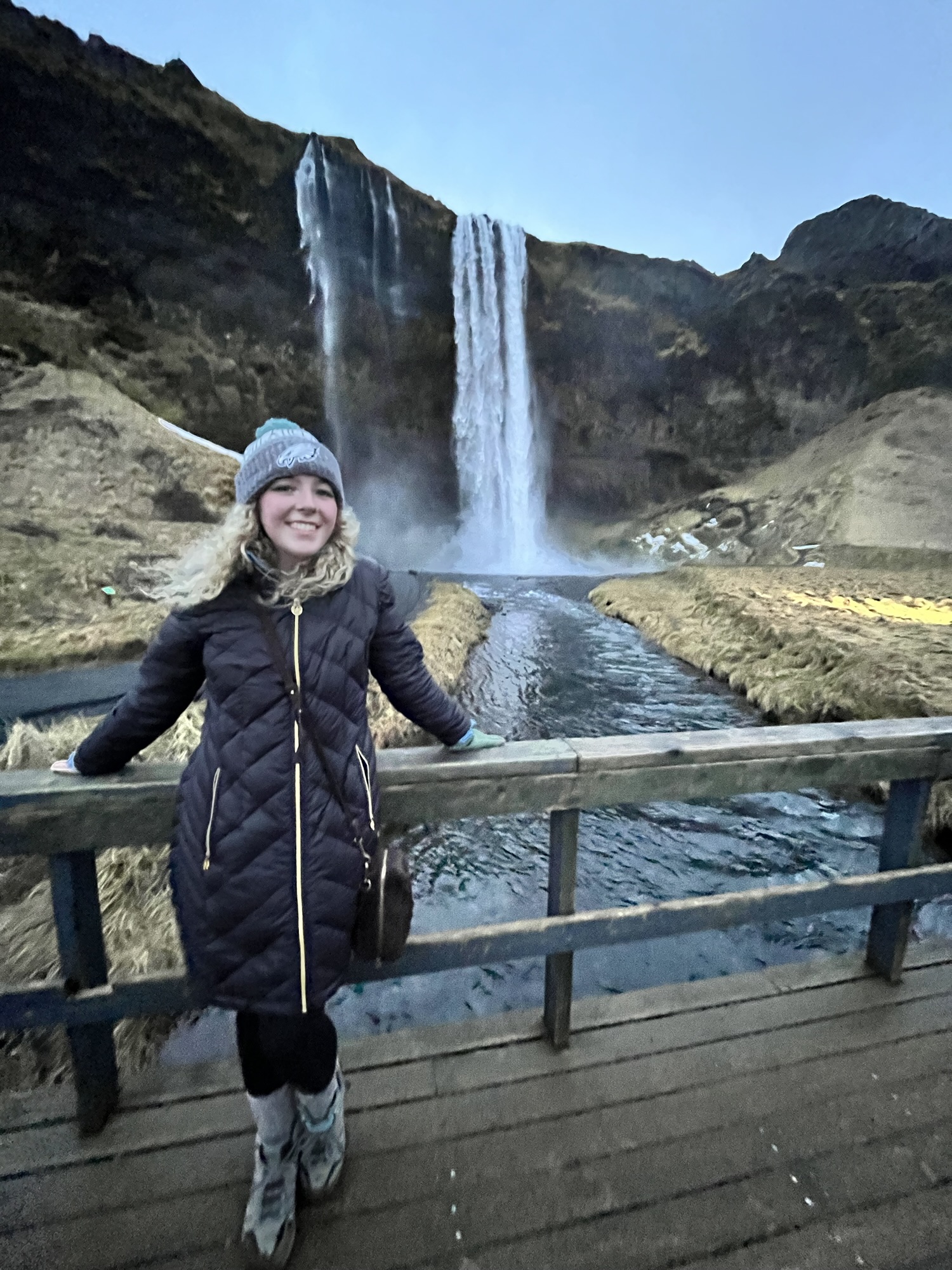
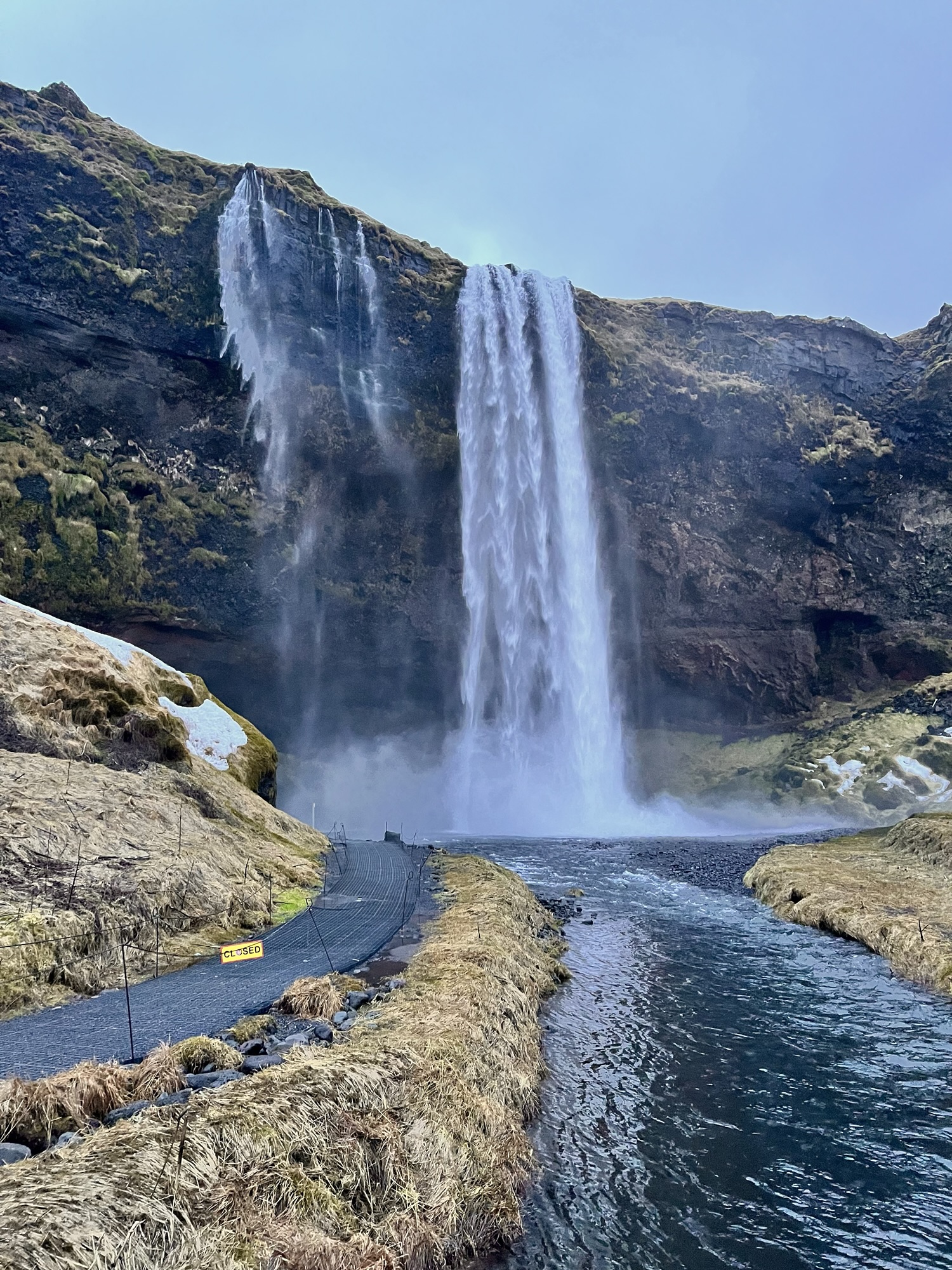
- (Literally) chase waterfalls at Skógafoss and Seljalandsfoss.
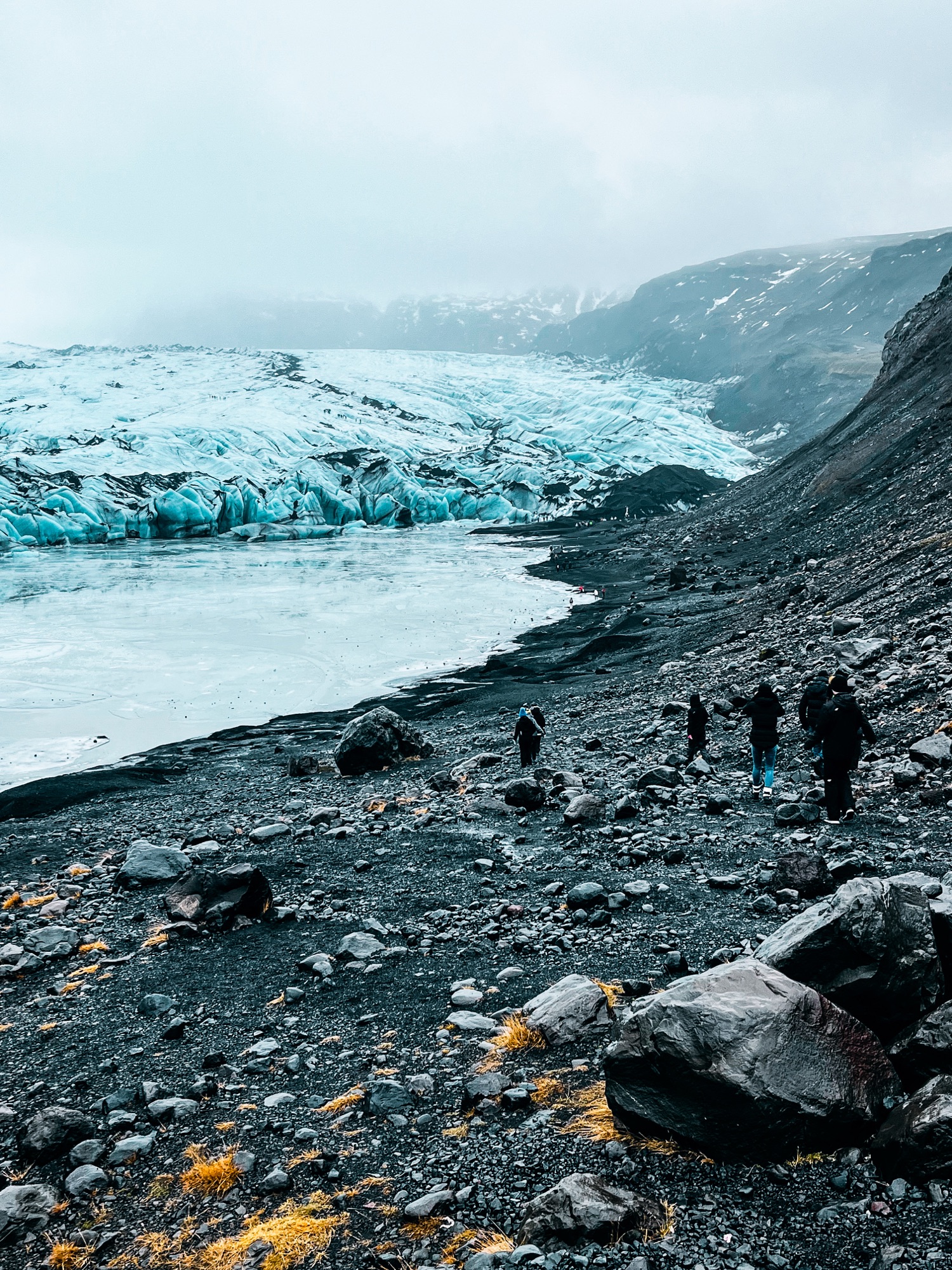
- Visit the Jökulsárlón Glacier Lagoon and see icebergs floating by.
West & North Iceland
- Check out the Snæfellsnes Peninsula for wild coastlines and dramatic cliffs.
- Soak in hot springs like the Secret Lagoon or Myvatn Nature Baths.
- If you have time, drive up to Akureyri, Iceland’s charming northern capital.
Adventure Activities
- Hike a glacier or even go ice climbing.
- Take a whale-watching tour in Húsavík.
- If you can handle the cold, snorkel or dive in Silfra between two tectonic plates (The only place in the world you can!)
- Ride an Icelandic horse across lava fields, you can do this in Vik
Good Eats in Reykjavik
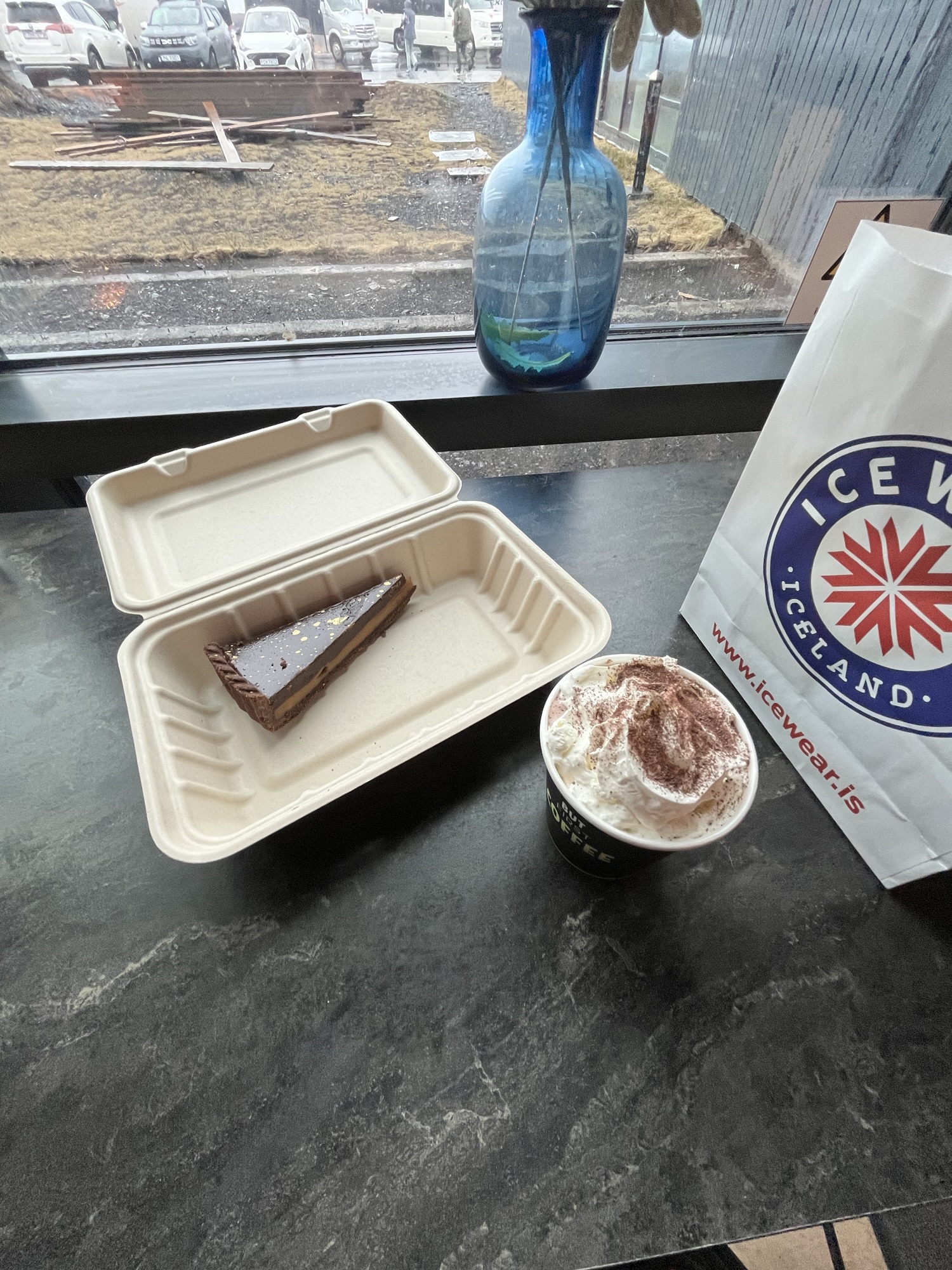
Iceland may not be the first place that comes to mind for a foodie adventure, but don’t be fooled—the country delivers some incredible eats. From cozy bakeries to upscale dining, here are a couple of must-visit spots to fuel your adventures.
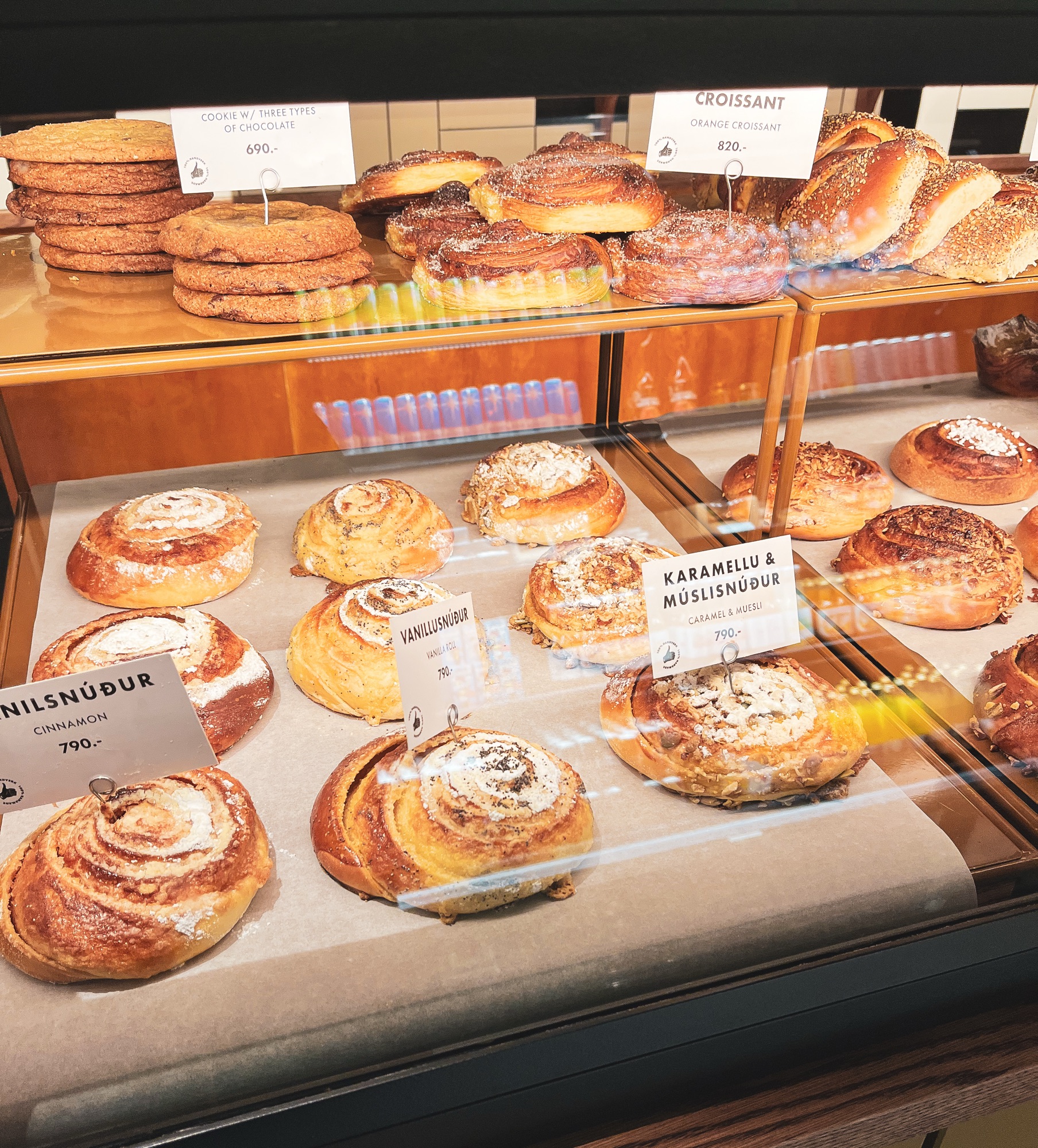
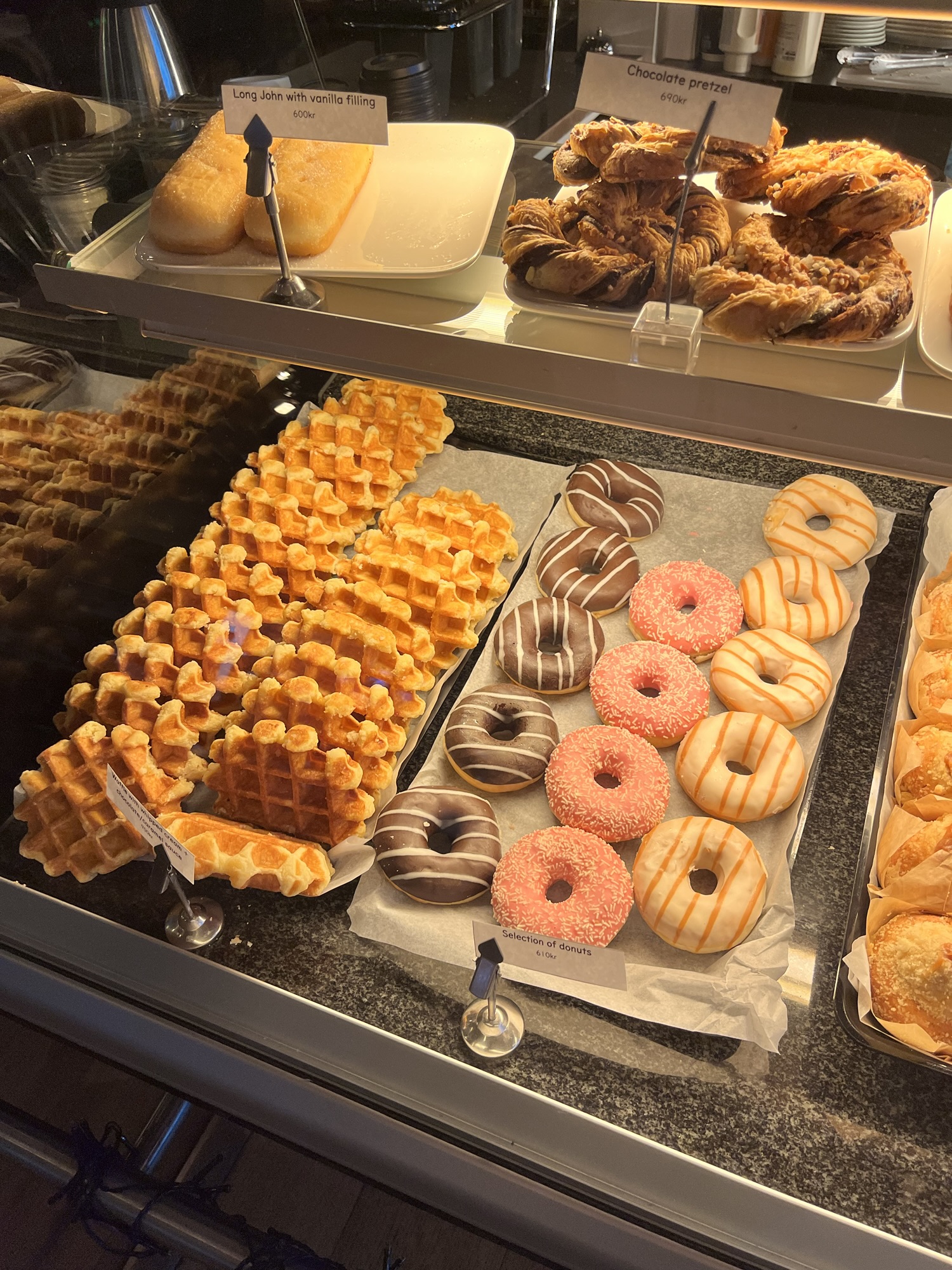
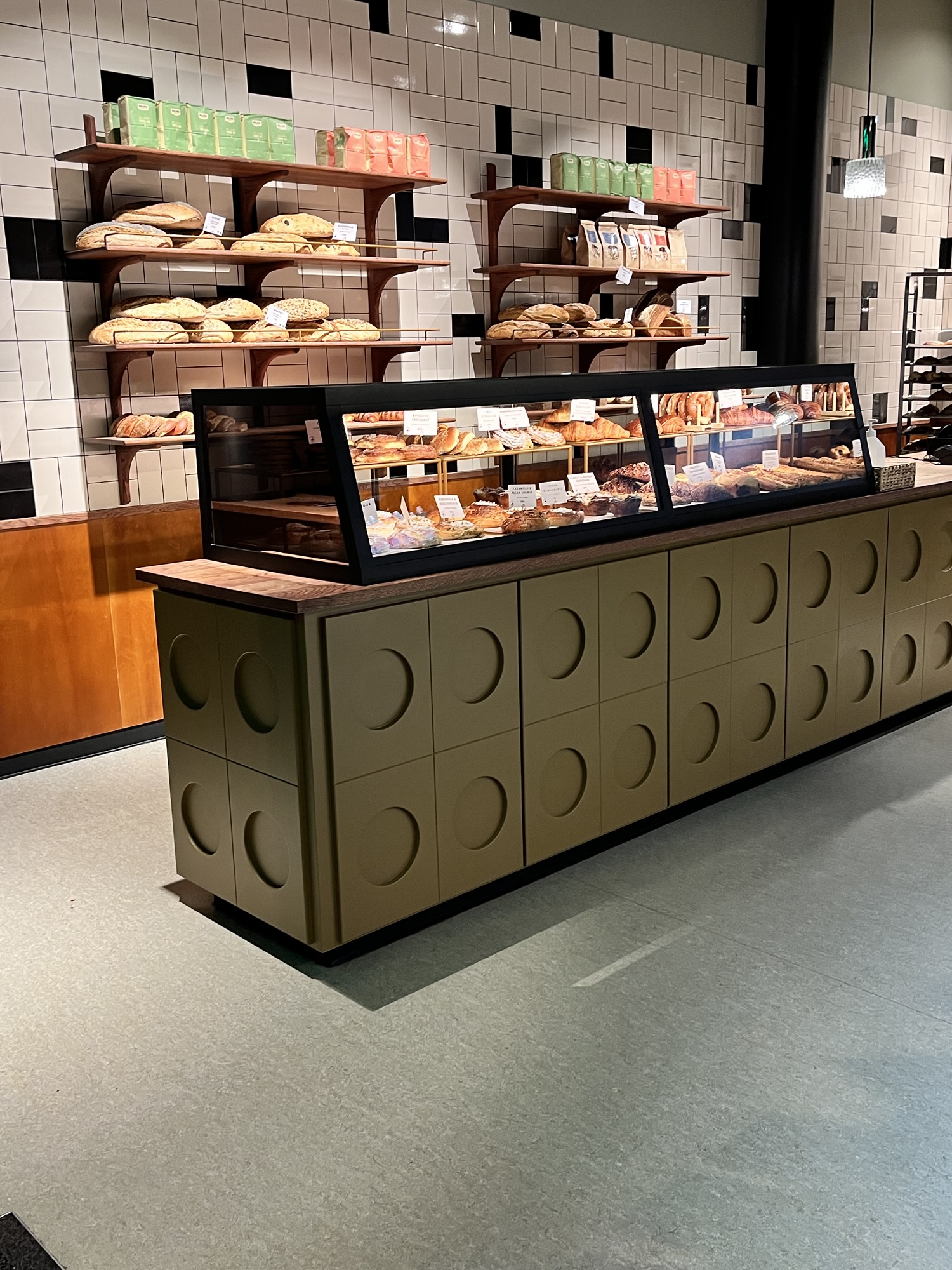
Braud & Co. – If you love pastries, Braud & Co. is a non-negotiable stop. This small, graffiti-covered bakery in Reykjavík is famous for its warm, buttery cinnamon rolls that practically melt in your mouth (I preferred the vanilla roll, though!) The smell alone will pull you in, and once you’ve had a bite, you’ll understand why this place is a favorite among both locals and visitors. Grab a coffee, take a roll to-go, and enjoy a slow morning wandering the colorful streets of the city.
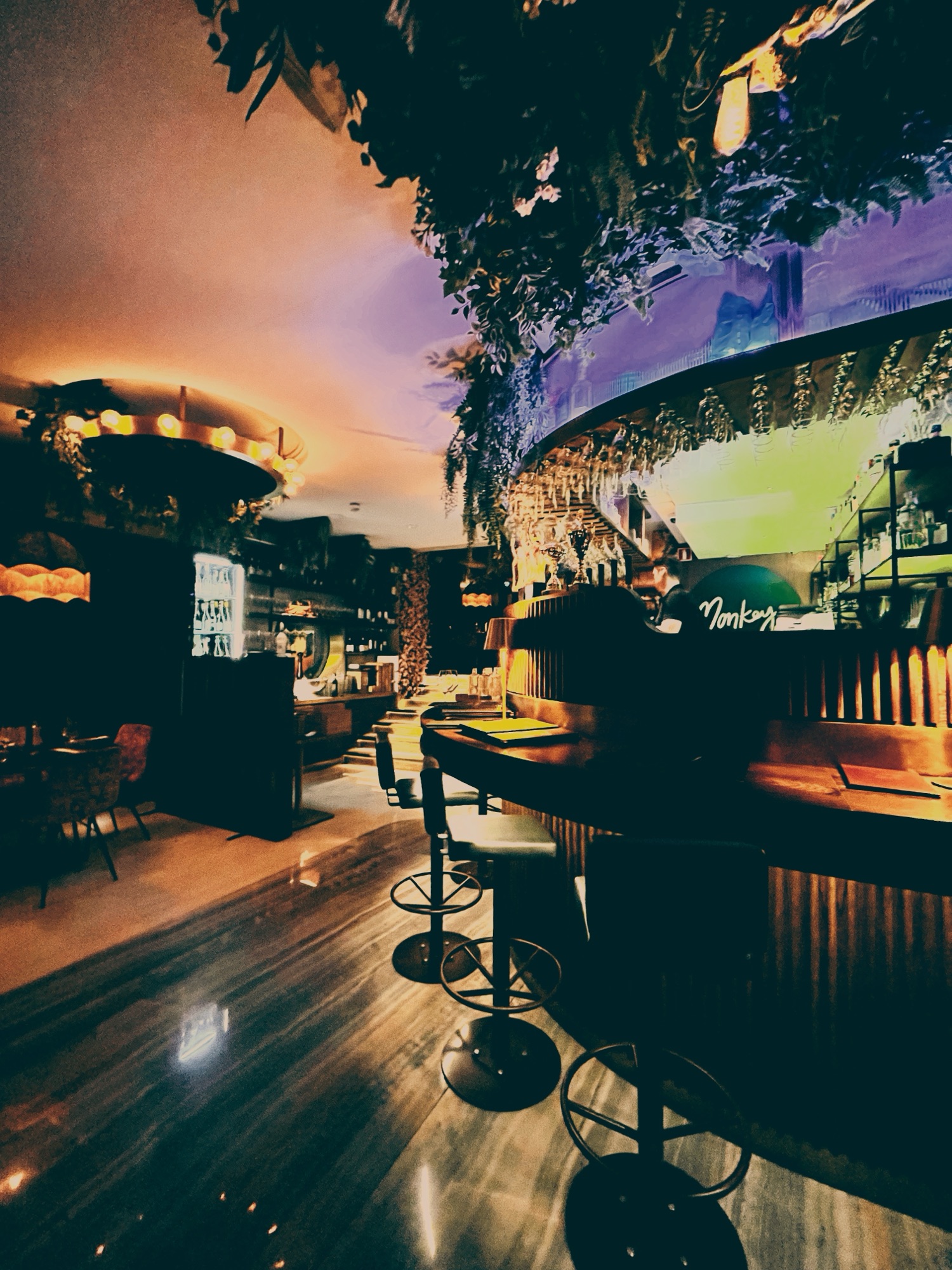
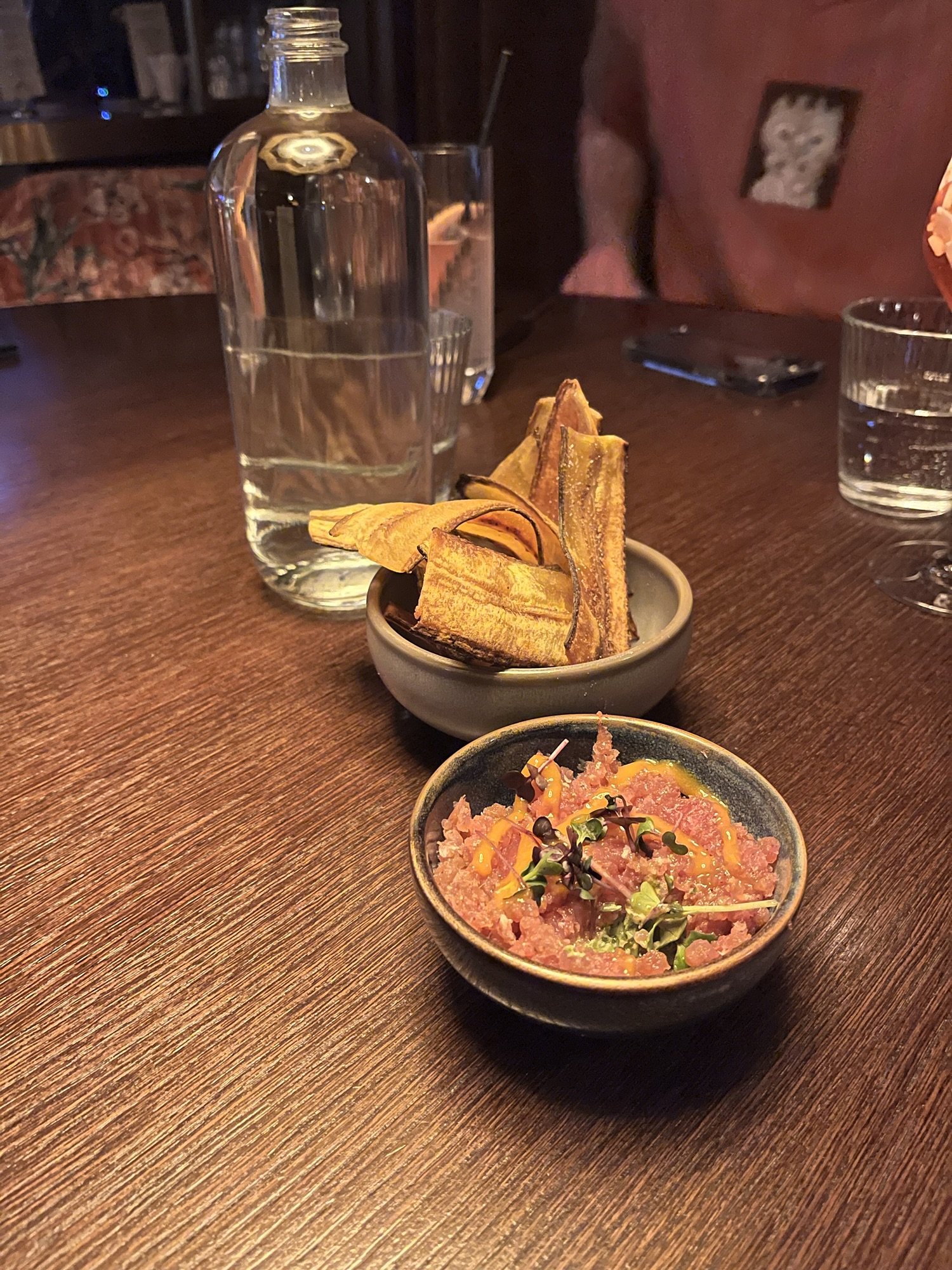
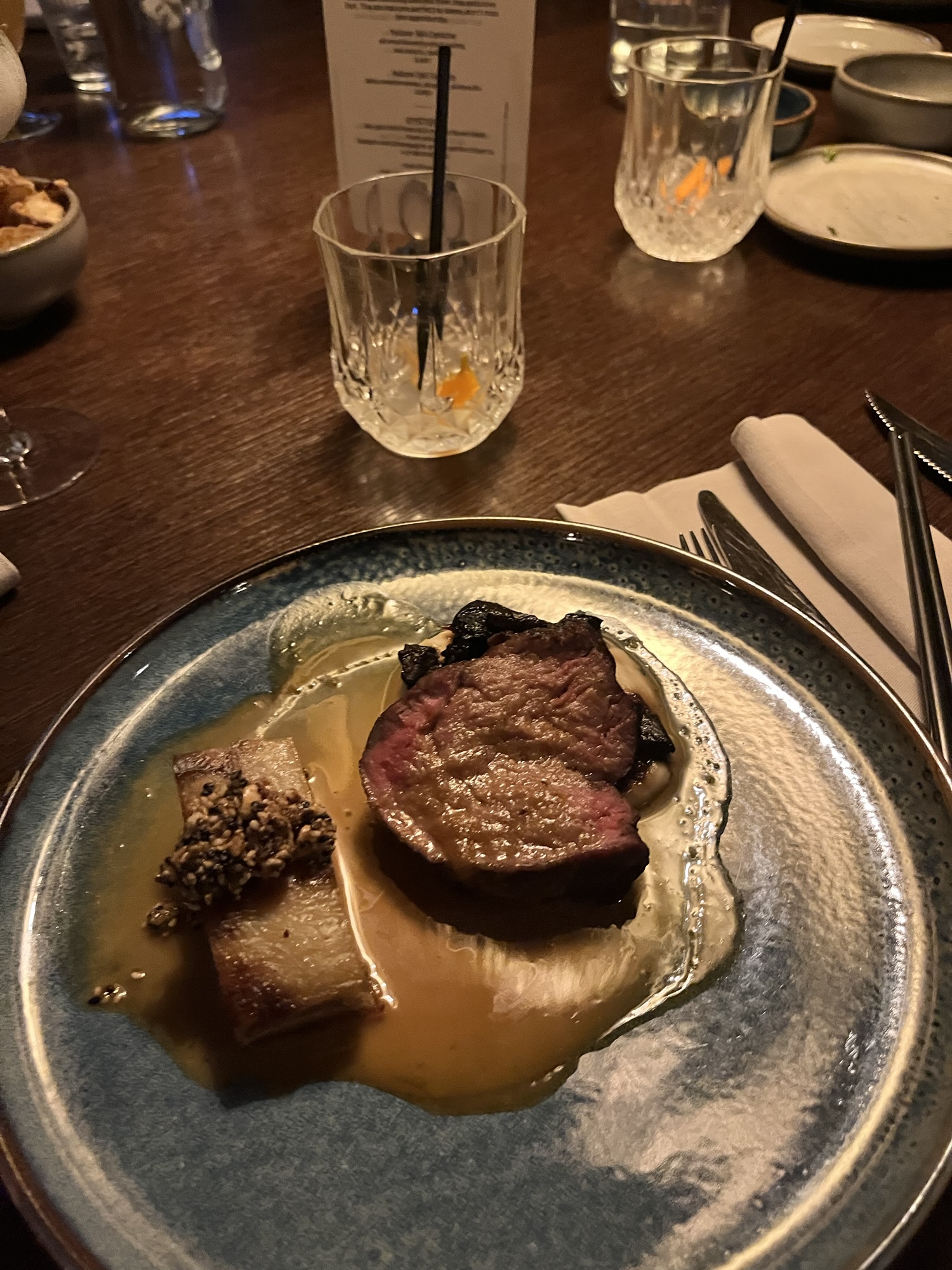
Monkeys – For a more upscale yet playful dining experience, Monkeys offers a creative blend of Japanese and Peruvian flavors in a stylish setting. Think fresh sushi, ceviche, and expertly crafted cocktails, all served in an intimate, vibrant atmosphere. It’s a great spot for a fun night out, whether you’re celebrating your Icelandic adventure or just looking for a break from traditional Nordic fare.
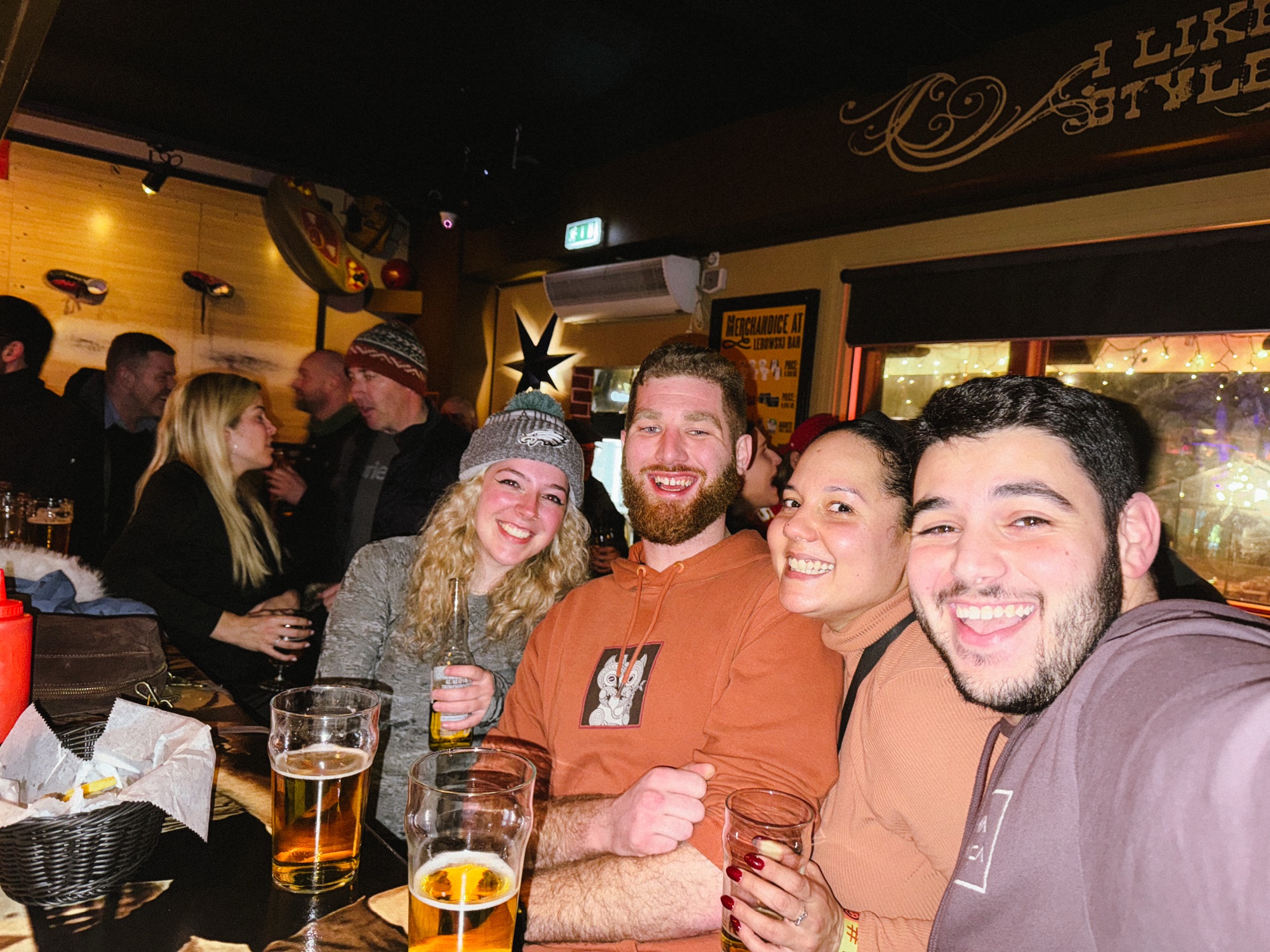
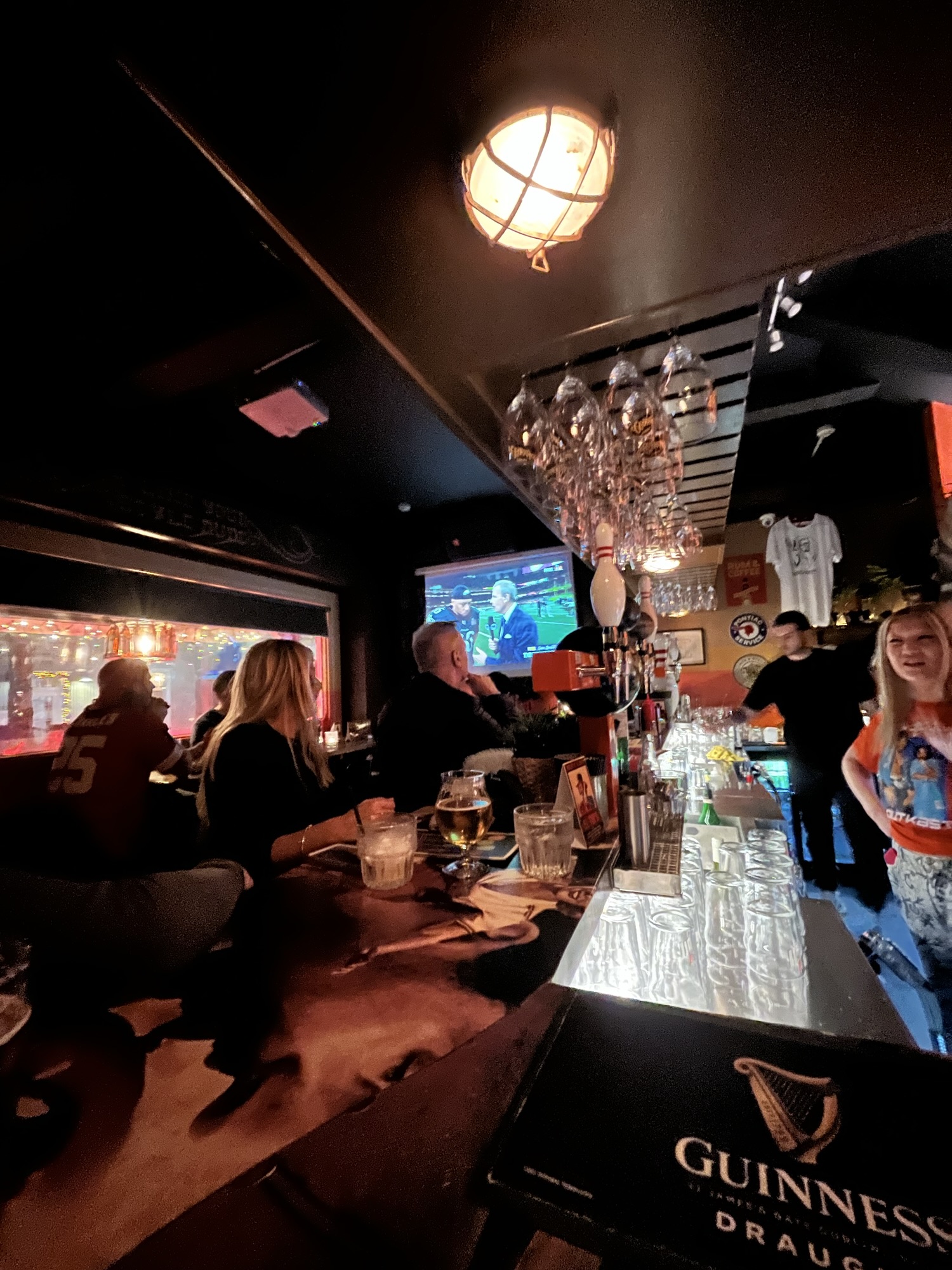
Lebowski Bar – Yes, it’s exactly what it sounds like, a Big Lebowski-themed bar that serves some of the best burgers and White Russians in Reykjavík. The vibe is laid-back and fun, with retro décor, bowling alley aesthetics, and a menu packed with hearty American-style comfort food. Whether you’re stopping in for a drink or a full meal, it’s the perfect place to kick back after a long day of exploring. I saw the Eagles win the Superbowl here and it was a life changing experience, lol.
Beyond these three, Reykjavík is packed with fantastic places to eat, from the legendary Bæjarins Beztu Pylsur (the country’s most famous hot dog stand) to modern Nordic cuisine at Dill, Iceland’s first Michelin-starred restaurant. Whether you’re in the mood for a quick bite or a full-on culinary experience, Iceland’s food scene is sure to surprise you.
Where to Stay in Iceland: Best Accommodation Options
Whether you’re looking for a budget-friendly hostel, a cozy guesthouse, or a high-end hotel, Iceland has a range of accommodations to suit different travel styles. Here are a few great places to stay, including a firsthand favorite!
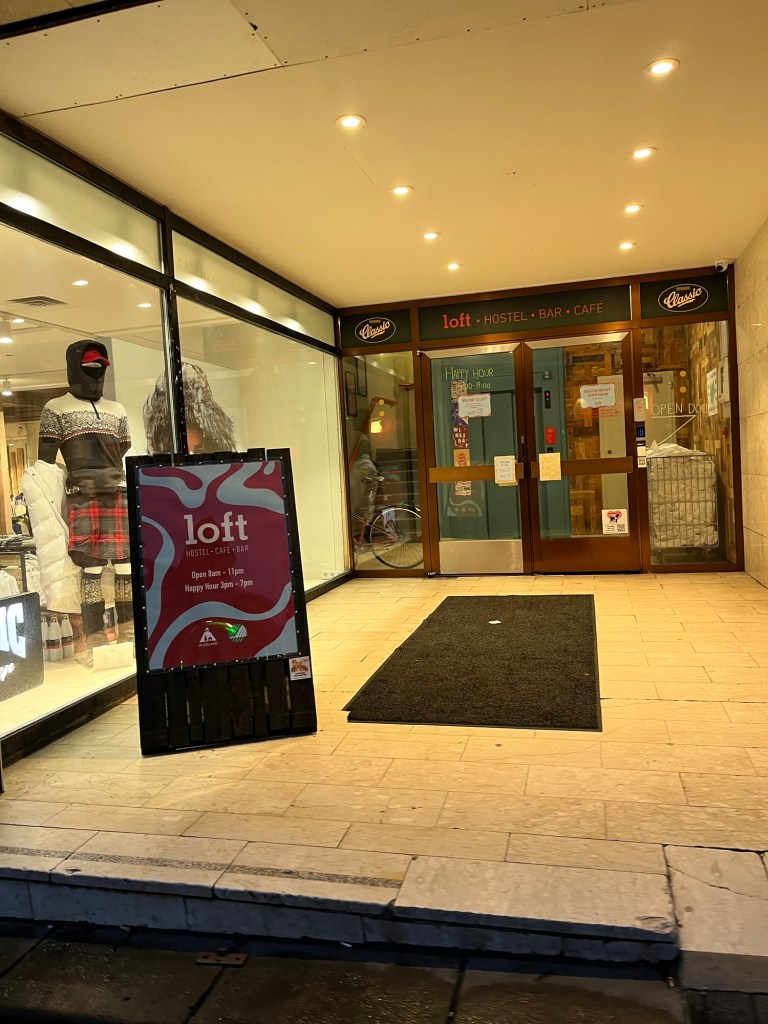
Loft Hostel – Best for Social Travelers
💰 Price: $40–$80 per night (dorms), $150+ (private rooms)
📍 Location: Reykjavík city center
🛏 Amenities: Bar, rooftop terrace, communal kitchen, free Wi-Fi, laundry facilities
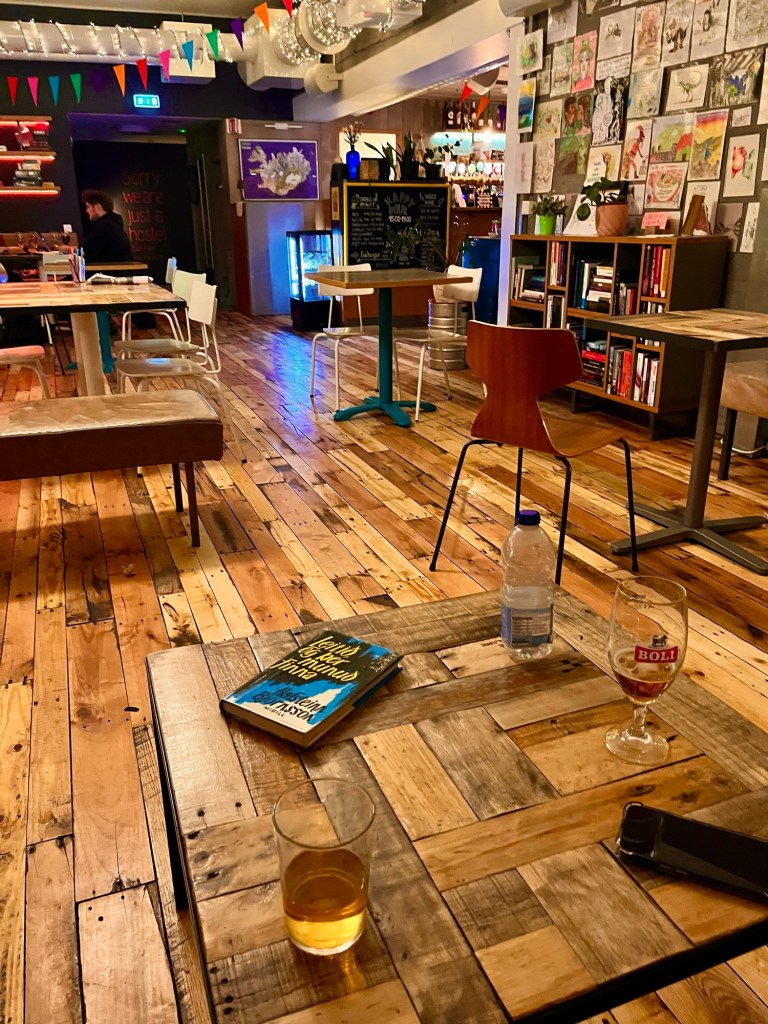
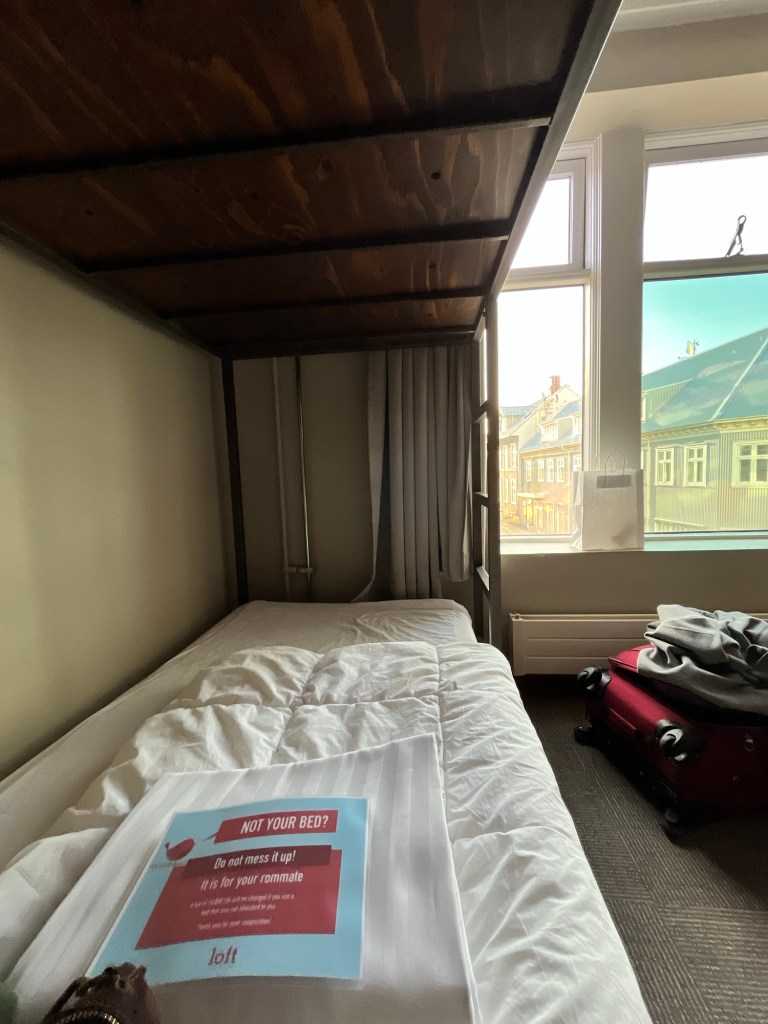
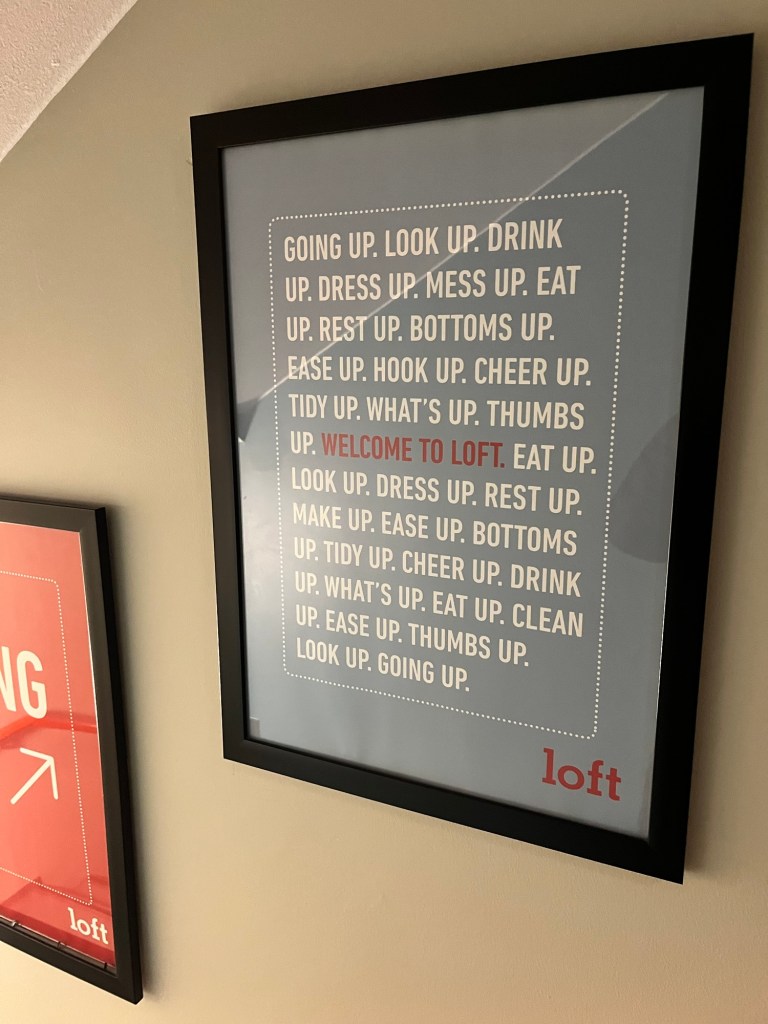
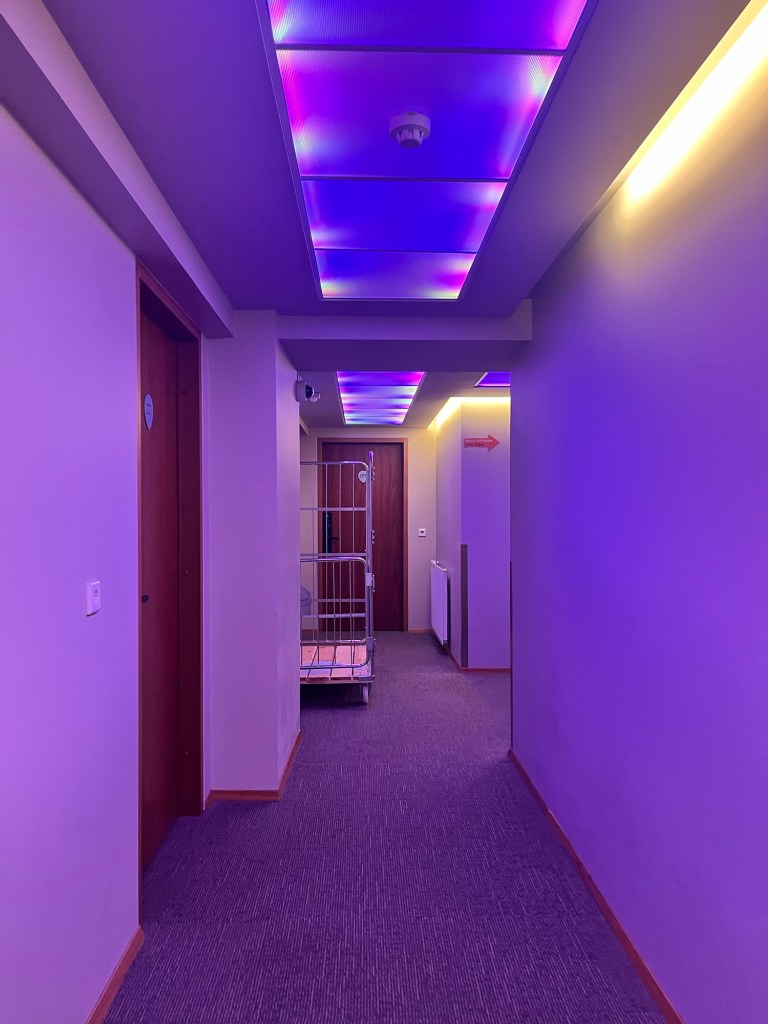
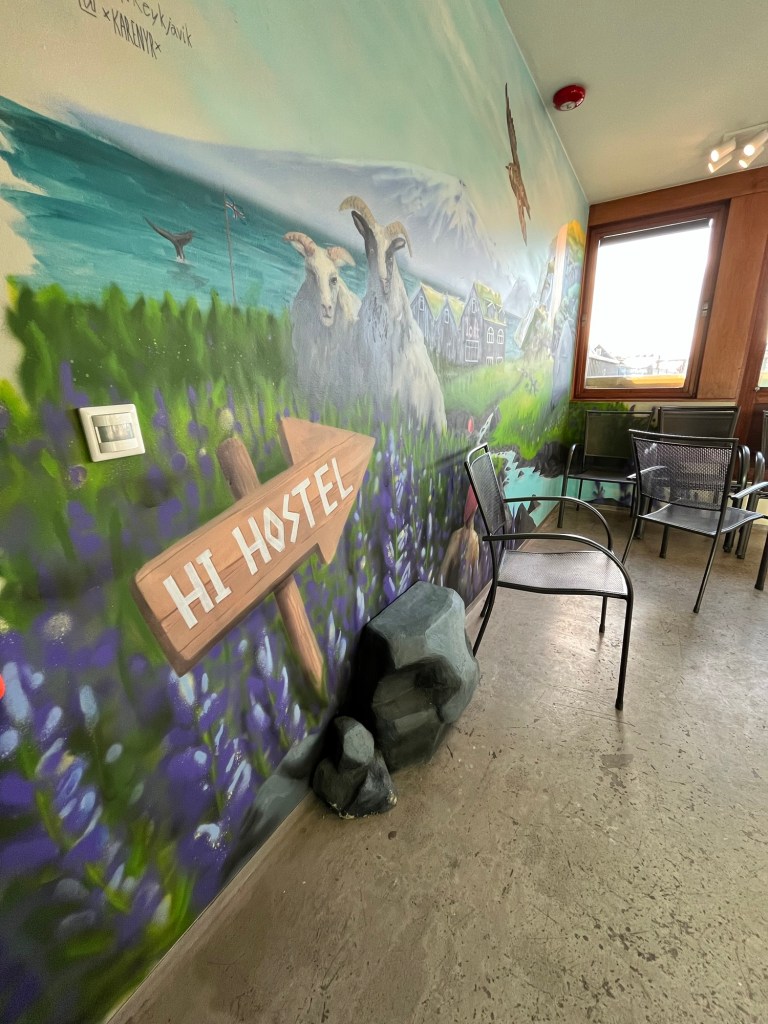
If you want a centrally located, social, and budget-friendly stay, Loft Hostel is the place to be. This hostel is in the heart of Reykjavík, making it easy to explore the city’s best attractions on foot. The rooftop terrace is a highlight, perfect for meeting other travelers or just unwinding with a drink while enjoying a panoramic view of the city.
The bookish hostel also hosts regular events, from live music to pub quizzes, adding to the lively atmosphere. It’s clean, secure, comfortable, and has everything you need for a great stay. I stayed here during my time in Iceland and met great people, as well as tasting the best beer I’ve ever had. (Try the sour apple cider!)
Kex Hostel – Industrial Chic on a Budget
💰 Price: $50–$90 per night (dorms), $180+ (private rooms)
📍 Location: Reykjavík waterfront
🛏 Amenities: Bar & restaurant, communal kitchen, free Wi-Fi, live music events
For travelers who want an affordable stay with a trendy, industrial vibe, Kex Hostel is a great option. Housed in a former biscuit factory, this hostel has a cool, artsy feel with rustic decor, cozy lounge areas, and a buzzing on-site bar. It’s a little pricier than some other hostels, but the atmosphere and location make up for it. You could hear drunk people outside at night through the windows, but I didn’t mind it. All a part of the ambiance, lol
The Reykjavík EDITION – Luxury Stay with a View
💰 Price: $500+ per night
📍 Location: Near the Harpa Concert Hall
🛏 Amenities: Spa, rooftop bar, gym, fine dining, concierge services
If you’re looking to splurge, The Reykjavík EDITION offers a five-star experience with sleek Scandinavian design, top-tier dining, and breathtaking harbor views. The on-site spa is perfect for unwinding after long days of exploring, and the hotel’s stylish bar scene makes it a great spot for a nightcap.
ION Adventure Hotel – Best for Nature Lovers
💰 Price: $300–$600 per night
📍 Location: Nesjavellir, near Þingvellir National Park
🛏 Amenities: Outdoor hot tubs, on-site restaurant, Northern Lights viewing, geothermal spa
If you’d rather stay outside the city, ION Adventure Hotel is an incredible retreat set in Iceland’s rugged landscape. Surrounded by lava fields, it’s a prime location for outdoor enthusiasts and Northern Lights seekers. The design blends modern minimalism with raw nature, and the outdoor hot tub overlooking the volcanic terrain is a dream.
Final Thoughts
For budget travelers and social backpackers, Loft Hostel is a fantastic choice with its central location and welcoming vibe. If you’re looking for something stylish yet affordable, Kex Hostel delivers a great atmosphere. Bus Hostel is the most convenient for tours, as most of the tour shuttles stop here for pick-ups. But if luxury is more your style, The Reykjavík EDITION and ION Adventure Hotel offer unforgettable experiences. No matter where you stay, Iceland’s landscapes and adventures will be the true highlight of your trip.
Budget Tips
Iceland is expensive, but there are ways to save:
- Book flights early or off season: budget airlines like Play and Icelandair have deals.
- Stay in hostels, guesthouses, or campsites instead of hotels.
- Buy groceries and cook instead of eating out every meal.
- Take advantage of free attractions: waterfalls, hikes, and viewpoints don’t cost a dime (Though, guided tours are obviously costly)
 Where The Wind Takes Me.