
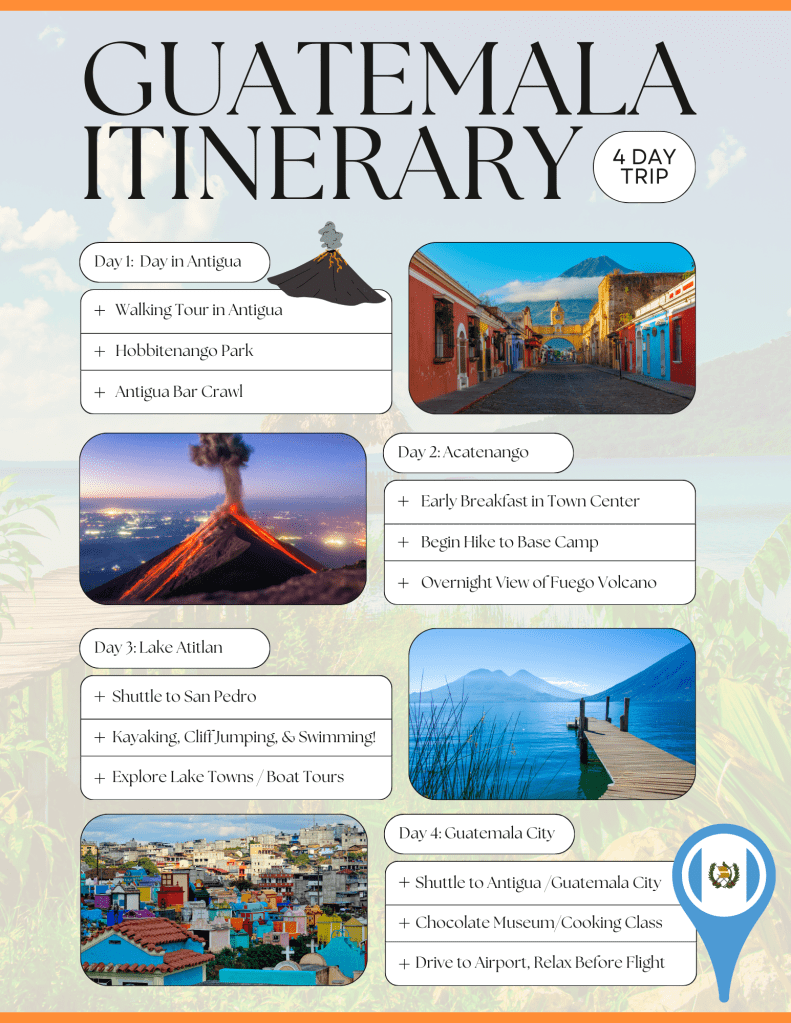
Guatemala is a treasure trove of stunning landscapes and rich history, perfect for travelers seeking adventure. However, if your time is limited to see what this underrated destination has to offer, here is a guideline to leveraging a long weekend in Guatemala and making a doable plan.
4 Day Guatemala Itinerary
Transportation
To and From Guatemala City Airport
The most common way to reach Antigua is by flying into La Aurora International Airport in Guatemala City. From there, various transportation options are available to travel the 40 km to Antigua.
The Guatemala City (La Aurora) airport has both private and shared shuttles to main cities such as Antigua and Panajachel. Private shuttles and Ubers can range anywhere from $20-$50, you can reserve them on apps like Get Your Guide. Shared shuttles are around $20 total. That being said, if you do take a shared shuttle (they have them right near the pickup area), you may have to wait until the company has enough people to fill one car. I had to wait about two hours, but I didn’t mind as I found some fellow travelers to chat with!
I’d recommend avoiding travel between Antigua and Guatemala City during rush hour, as traffic can be extremely heavy.
To and From Antigua, Lake Atitlan, El Paredon, Etc
Travel agencies in the surrounding area often have shuttle services to and from popular destinations. You can book private shuttles on websites such as TripAdvisor. Plenty of hostels offer transportation services as well. Tropicana Hostel has affordable shuttles to El Paredon (Beach area known for surfing and cute turtles, you could spend a day or two here instead of Lake Atitlan), Lanquin, various towns of Lake Atitlan, and Flores, and even to El Salvador + Nicaragua.
My round-trip transfers to and from Antigua to the lake were $20. If you have more time, I’d highly recommend checking out Tikal, which can be reached from a short flight to Flores to see historic Mayan Ruins. That is a longer drive, about 5-8 hours.
Guatemala also has iconic “Chicken Busses.” These colorful school busses are Guatemala’s version of public transportation. Rides are cheap and stop in a variety of locations throughout the country, but may not always be safe. If you’re going to take one, make sure you are at least conversational in Spanish! Or, brush up using Duolingo 🙂 I didn’t take one during my trip, but it can be an affordable option if you know the language and aren’t claustrophobic, lol.
Language
The official language of Guatemala is Spanish, spoken by the vast majority of the population. However, the country is also home to over 20 indigenous languages, with K’iche’, Q’eqchi’, Kaqchikel, and Mam being the most widely spoken among them. While Spanish is the dominant language in cities and tourist areas, travelers visiting rural regions may encounter locals who primarily speak indigenous languages.
If you don’t speak Spanish, basic phrases can be helpful. Many people in the tourism industry speak some English, but learning a few Spanish phrases can enhance your experience and show respect for the local culture.
I’m not fluent, but I did speak Spanish in the airport, asking for directions, and in stores/cafes. While you can use a translator app on your phone, I’d recommend learning how to say the phrases first. Locals will greatly appreciate the effort!
Top Experiences In Guatemala
Hike Volcán Acatenango to See Fuego Erupting
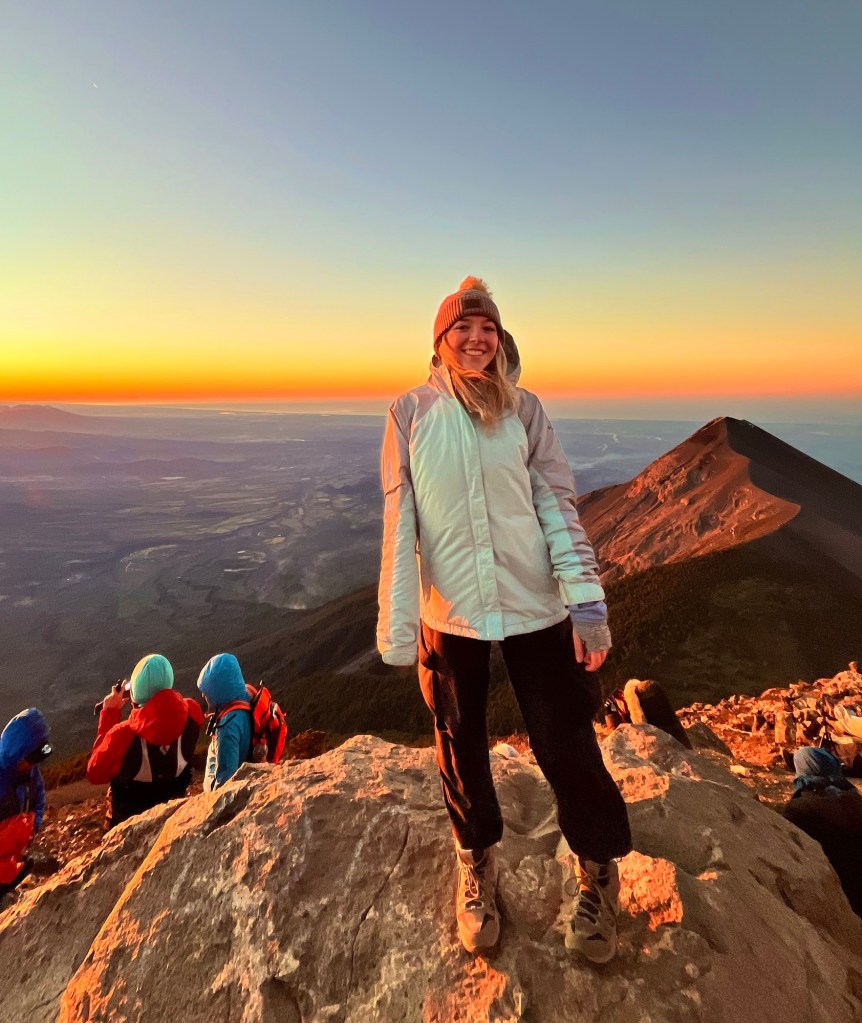
Embark on an overnight trek up Acatenango for a front-row seat to Volcán de Fuego, one of the world’s most active volcanoes. Watching it erupt fiery lava into the night sky is truly a once-in-a-lifetime experience. The two day long hike is brutal and difficult, but also the best thing I’ve ever done in my life.
Relax by Lake Atitlán
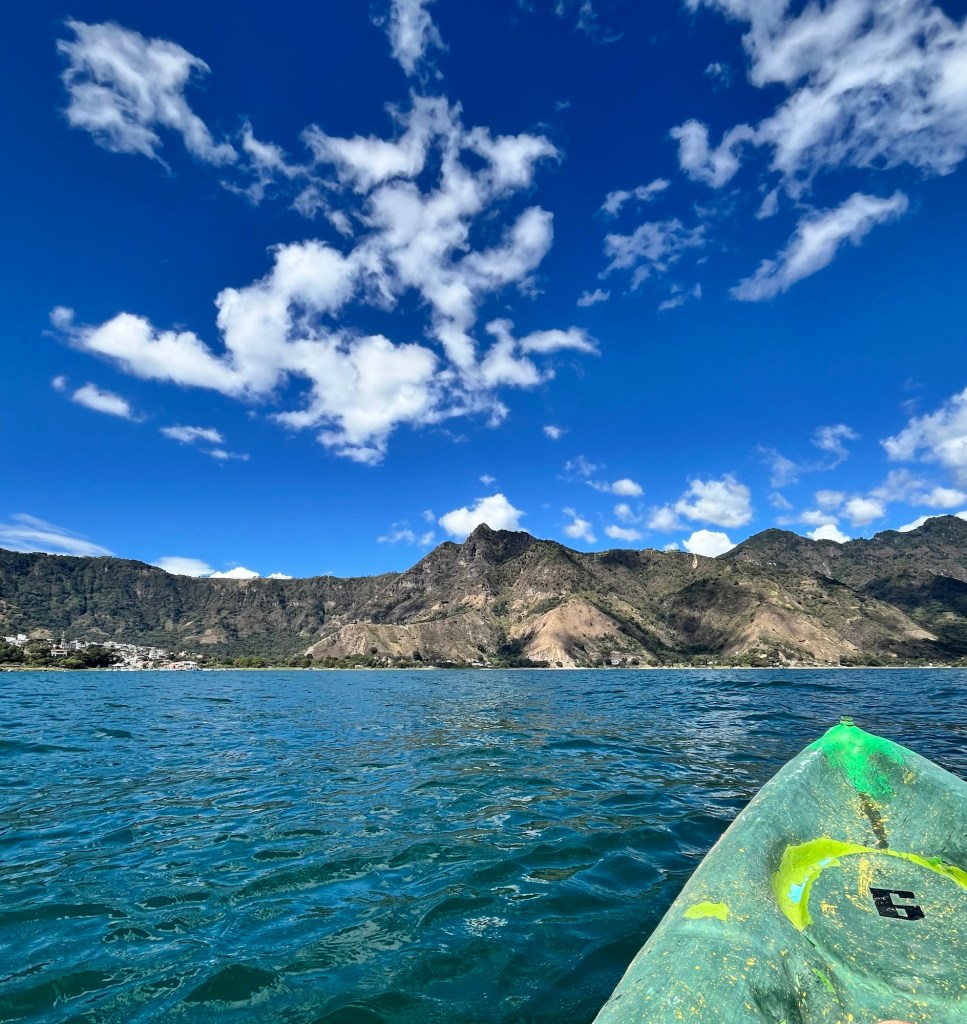
Surrounded by volcanoes and dotted with colorful Mayan villages, Lake Atitlán is the perfect place to slow down. Whether you’re kayaking at sunrise, practicing yoga in San Marcos, or café-hopping in Panajachel, the vibes are unmatched.
Explore the Ancient Ruins of Tikal
Deep in the Guatemalan jungle lies Tikal, one of the most powerful cities of the ancient Maya. Climb Temple IV for a sunrise view above the treetops, and listen to the eerie calls of howler monkeys as the ruins come alive around you.
Wander the Colorful Streets of Antigua
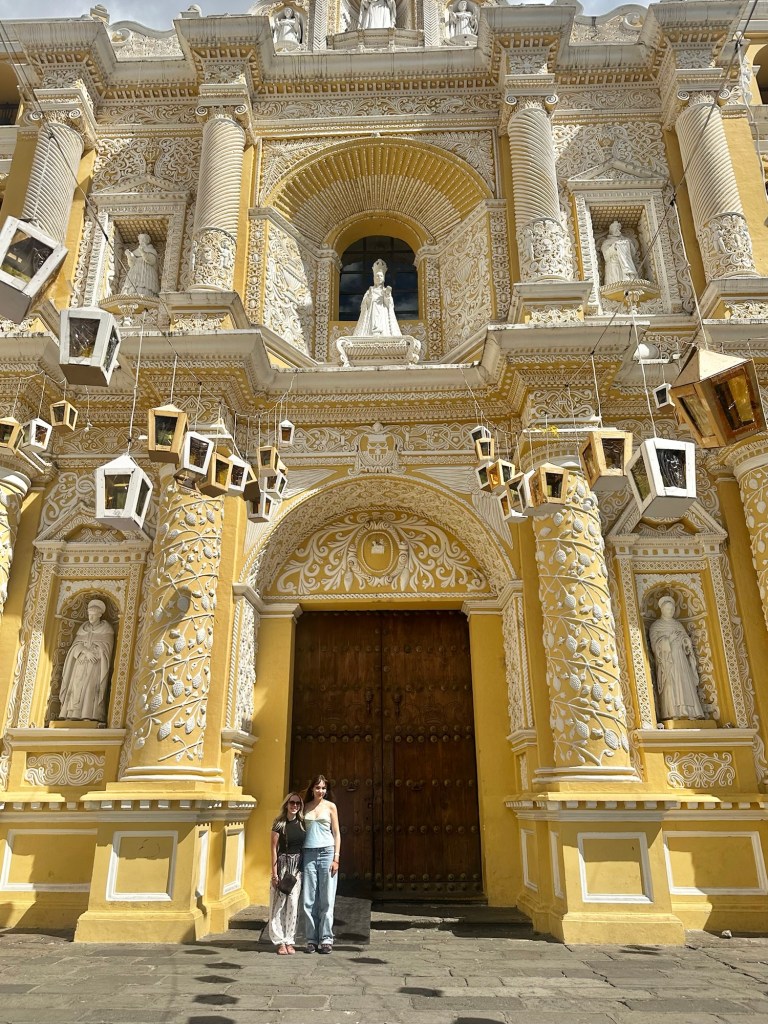
A colonial city full of charm, Antigua is a UNESCO World Heritage site with cobblestone streets, pastel colored buildings, and dramatic volcano views. It’s the perfect place to take a Spanish class, sip local coffee, or snap dreamy photos by the iconic Santa Catalina Arch.
Where to Stay in Antigua & Lake Atitlan
Best Places to Stay in Antigua, Guatemala
Tropicana Hostel
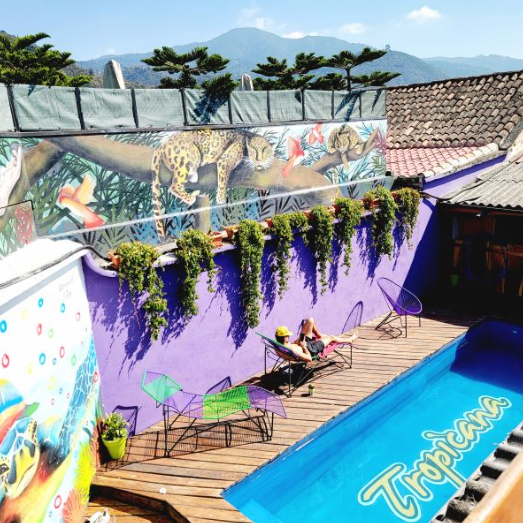
Looking for an all-in-one place to stay and are looking for a party? Tropicana is your go-to hostel. The hostel has their own tours, shuttles to top locations and the airport, and is located in the heart of Antigua.
Hotel Casa Santo Domingo
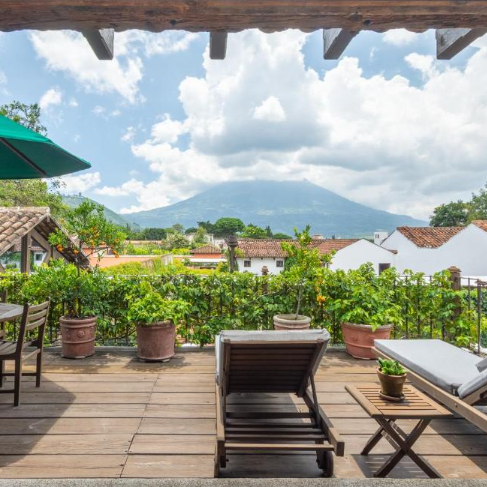
If Hostels are not your thing and are in search of a more private, relaxing place to stay, Hotel Casa Santa Domingo has fantastic accommodations for travelers. This colonial-style hotel has a relaxing spa, restaurants, and is in walking distance of many tourist sights.
Best Places to Stay in San Pedro, Lake Atitlan, Guatemala
Mr. Mullets Hostel
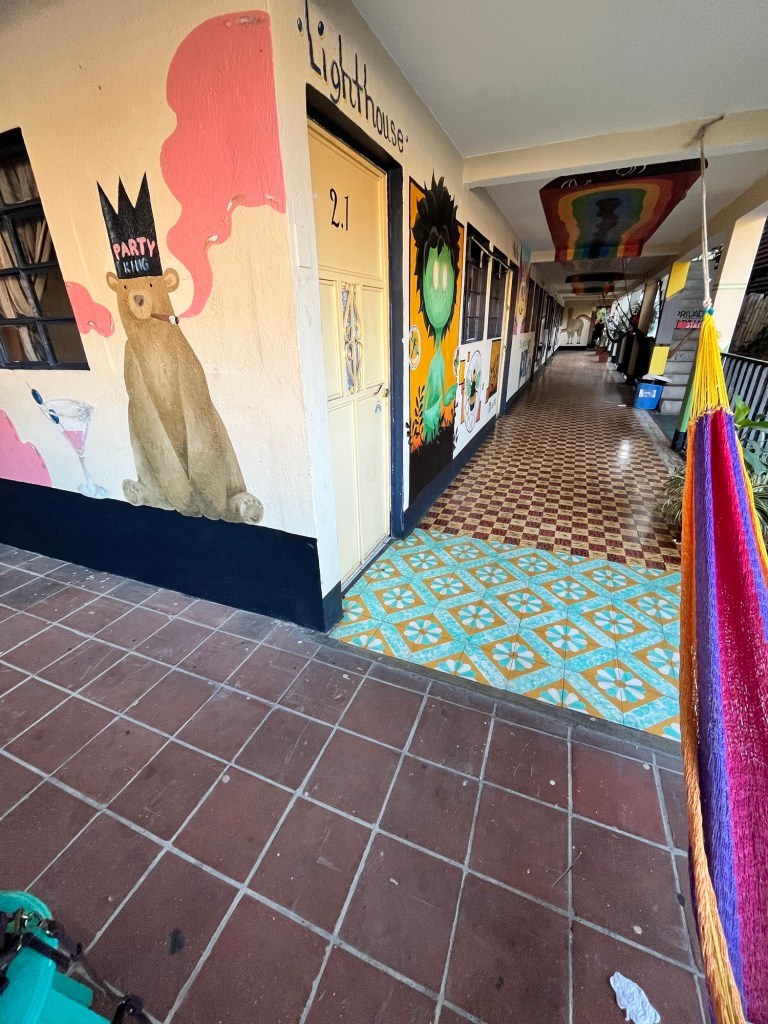
Famous for it’s huge boat parties and bar crawls, Mr. Mullets is the place to go in San Pedro if you want a lively party scene. The hostel offers an included pancake breakfast, trivia nights, themed parties, and has something going on every night of the week. It’s a bit pricier than other hostels, but the atmosphere makes it worth the extra bucks and it’s in a centralized location.
Selina Lake Atitlan
If you’re looking for a coworking space, Selina at Lake Atitlán is a fantastic option for remote work. Nestled along the lake’s edge, this trendy hostel offers a vibrant atmosphere with comfortable workspaces, reliable Wi-Fi, and stunning views of the surrounding volcanoes. It’s an ideal spot for digital nomads who want to stay productive while enjoying the natural beauty of Lake Atitlán.
- There are also plenty of beautiful Air BNB’s in Guatemala, if you’re looking for something more private!
Packing For Guatemala
If you choose to backpack in Guatemala, it is crucial to strategically plan the items you want to bring. I’d suggest using a large hiking backpack to store your belongings. This is particularly useful if you do Acatenango. Most travel companies have gear (including backpacks + jackets) to rent, so if you aren’t comfortable carrying one throughout your time in the country, it may be worthwhile to use a regular travel backpack.
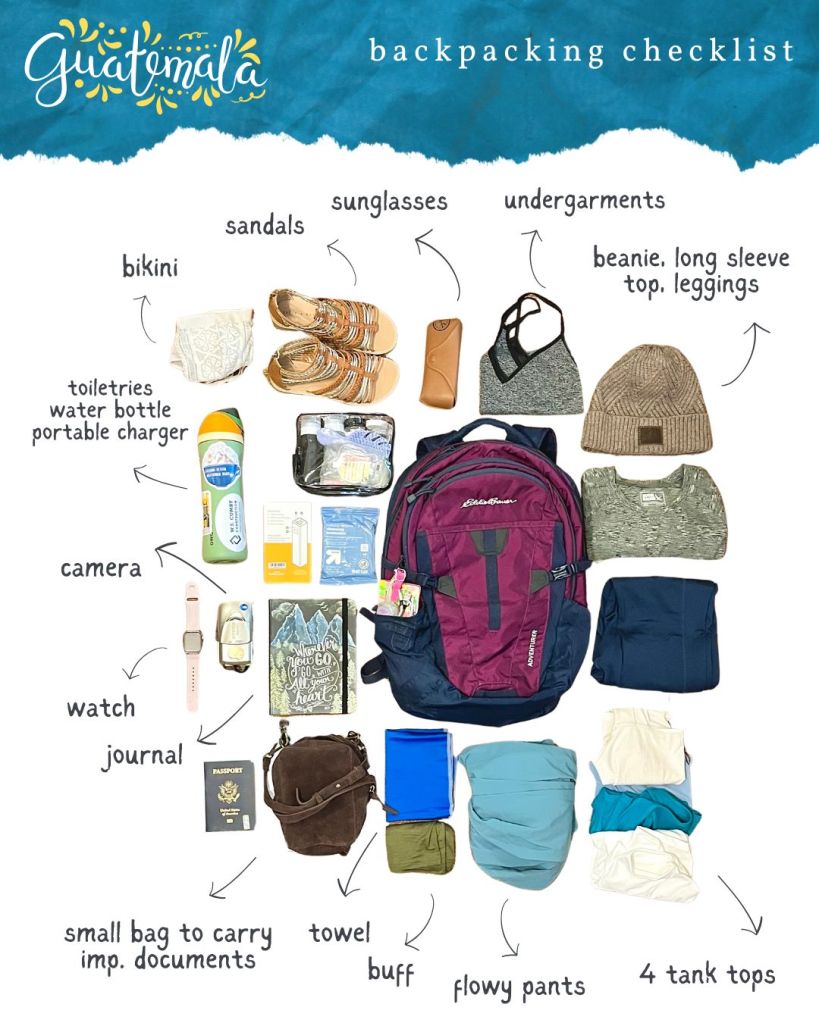
Toiletries are basically never offered in hostels (for a reason, it’s only a place to sleep and or meet other travelers), so it’s important to bring your own. I use a reusable travel bottle kit I purchased off Amazon, and bring my usual shampoo, conditioner, body wash, and hair products. This travel bottle kit is what I use while traveling, it is super helpful and fits everything I need in a small bag. I also pack all of my medications in the circular containers to conserve space.
Guatemala is warm year round, but if you’re hiking Acatenango, it can get cold near base camp and the volcanos summit. During the rainy season, (spring + summer) bring a light jacket. I went in January and brought a light winter jacket with me. Wearing hiking shoes in the airport will help save space in your bag. Or, you can tie the laces to a backpack. For a small trip, I brought two pairs of flowy pants, a pair of leggings, a long sleeve athletic shirt, sunglasses, some basic tops, obviously undergarments (or none, if that’s your style lmao), bathing suit, and pair of sandals.
I carry a small purse everywhere I go when traveling, especially internationally. In this bag, you should carry essential documents, such as your passport, ID, and money. Always have these by your side, you never know what may happen to your belongings, especially in hostels. Even though they are safe and have lockers, you can never be too cautious.
What To Bring While Backpacking In Guatemala
Below is a basic packing list graphic for backpacking in Guatemala for 4 days:
Currency
The La Aurora airport has currency exchange, but I’d recommend getting QTZ from your home airport beforehand (the exchange rate isn’t the best there). How much to bring is going to be dependent on your spending habits and which towns you’re visiting. I can’t speak for Tikal or the northern parts of Guatemala, but most places took card in Antigua and Lake Atitlan. There are also a few ATM’s in Antigua to withdraw cash.
For the markets and vendor areas, you will need cash. I brought about $150 with me in QTZ and it was the perfect amount for food, tips, and souvenirs. That being said, I’m not a huge spender when it comes to mementos. I’ll buy a few stickers and a snowglobe, maybe a t-shirt. I was also only there for a little less than a week; if you’re staying for an extended period of time I’d suggest taking more out. ATM’s are available in the airports and Antigua as well.
Plugs
In Guatemala, the standard voltage is 120V, and the frequency is 60Hz. The country primarily uses Type A and Type B power plugs.
- Type A: Two flat parallel prongs (same as the U.S. and Canada).
- Type B: Two flat parallel prongs with a grounding pin (also common in the U.S.).
If you’re traveling from the U.S., you won’t need to purchase an adapter since the plugs and voltage are the same. However, if your device has a three-prong plug (Type B) and you encounter outlets that only support two-prong (Type A), carrying a simple plug adapter might be helpful.
Safety
Guatemala is generally safe for travelers, especially in popular tourist areas like Antigua, Lake Atitlán, and Flores. I felt safer walking in Antigua and San Pedro than at home in Philly. However, like any destination, it’s important to stay aware of your surroundings and take precautions. Petty theft can be an issue in crowded areas, so keeping valuables secure is key.
Solo travelers should exercise extra caution, particularly at night or in less touristy parts of Guatemala City. By staying informed, using trusted transportation, and following basic safety guidelines, visitors can have a smooth and enjoyable experience in this vibrant country. Use your gut instincts and I advise against telling people you’re traveling alone anywhere (this isn’t always dangerous, but more something you play by ear).
Best Time to Visit
The best time to visit Guatemala is during the dry season, which runs from November to April. During this time, you can expect warm days, cooler nights, and minimal rain. Perfect for exploring cities, hiking volcanoes, and visiting ancient ruins. In January when I visited, the temperature was perfect in the high 70’s. The sun is still powerful and I got burnt, so make sure to bring sunscreen!
The rainy season lasts from May to October, bringing lush green landscapes but also frequent afternoon downpours, especially in the highlands and jungle regions. However, this is also a great time for budget travelers, as crowds are smaller and prices tend to be lower.
If you’re planning to hike volcanoes or visit outdoor attractions, the best months are December to March, when trails are drier and visibility is best. For cultural experiences, consider visiting during Semana Santa (Holy Week) in April, when Guatemala’s famous religious processions take place, especially in Antigua.
Where to Eat
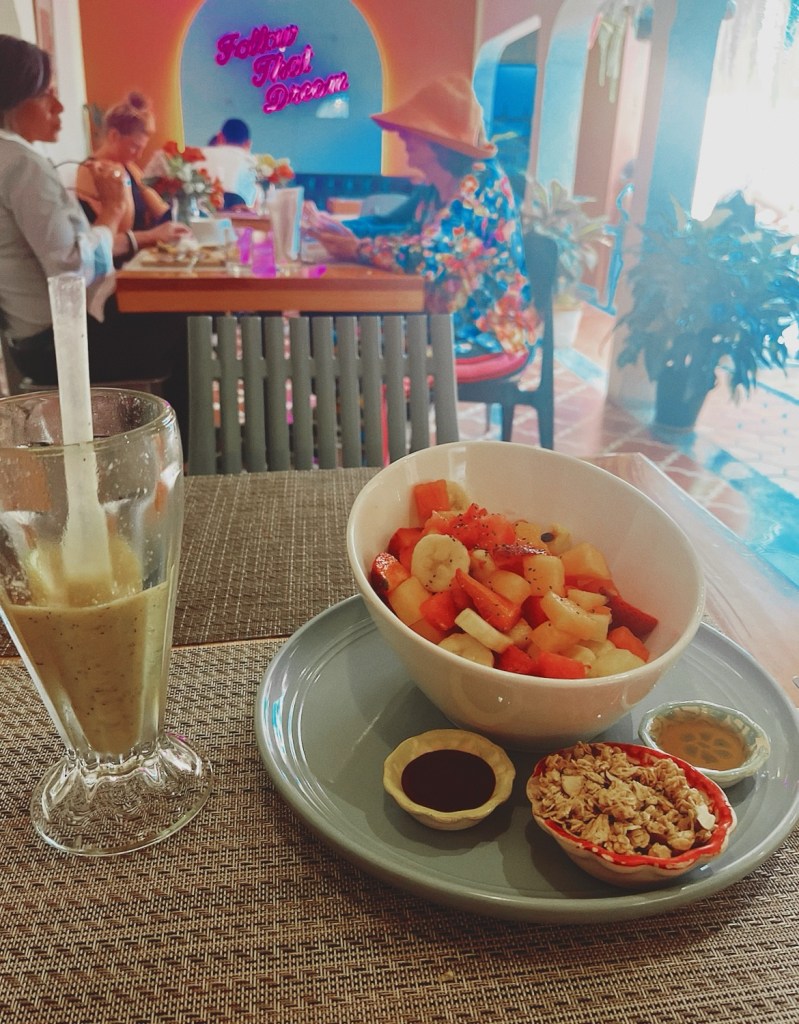
Guatemala’s cuisine is a delicious mix of indigenous Mayan flavors and Spanish influences, featuring fresh ingredients, hearty dishes, and unique local specialties. From traditional street food to cozy cafés and lakeside bars, here are some must-try foods and top spots to eat in Antigua and Lake Atitlán.
Where to Eat in Antigua
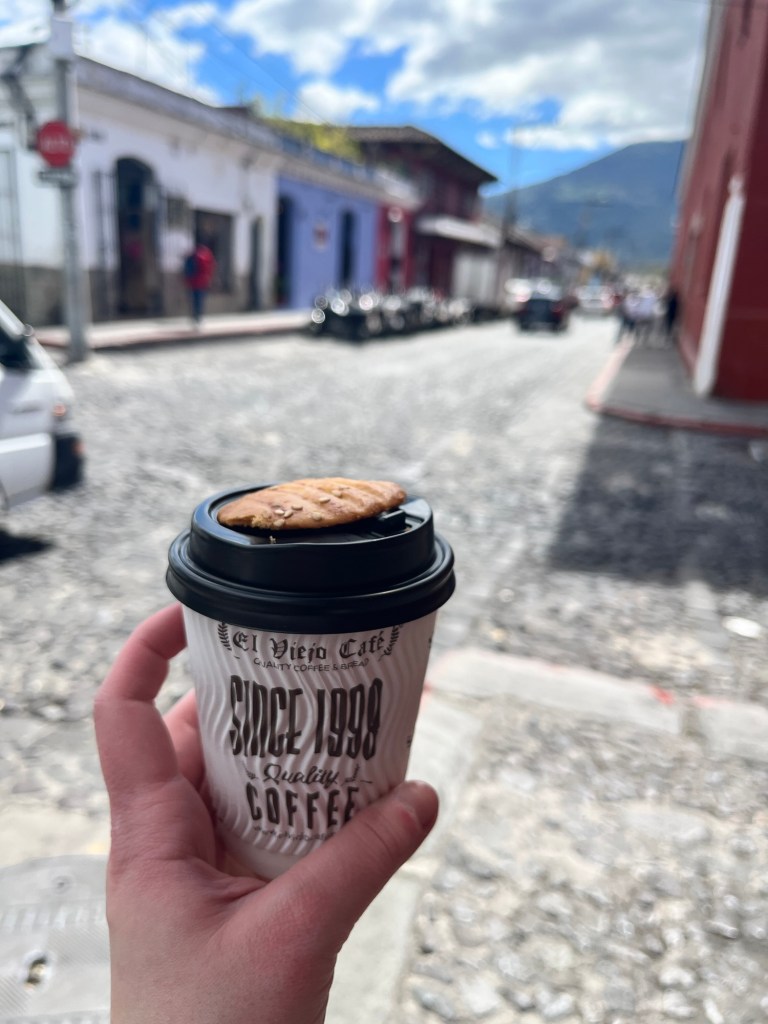
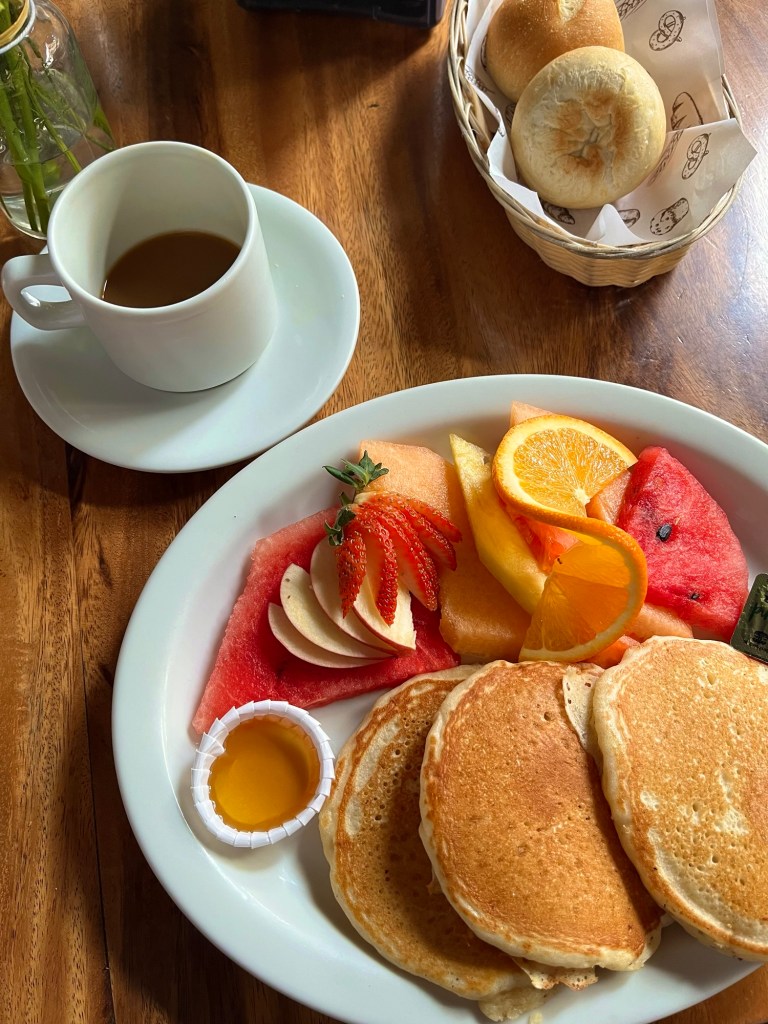
- El Viejo Café – A charming French-style café with a Guatemalan twist, perfect for breakfast or a relaxing coffee break. Try their fresh-baked pastries, omelets, and local coffee.
- Café Union – A cozy café known for its high-quality Guatemalan coffee, fresh juices, and healthy breakfast options. It’s a great spot to start your day.
- Café Sky – Famous for its rooftop views, this restaurant offers everything from traditional breakfasts to hearty dinners with a stunning backdrop of Antigua’s volcanoes.
- Los Tres Tiempos – A top choice for dinner, this restaurant serves elevated Guatemalan cuisine in a stylish setting. Their pepián and grilled meats are excellent choices.
Where to Eat in Lake Atitlán
- Bar Sublime (San Pedro La Laguna) – A lively lakeside spot with great cocktails and a mix of international and Guatemalan dishes. It’s a perfect place to unwind with live music and a view of the lake. Everyone I met was so kind here, the bartenders even gave me a free Kalua shot 🙂 The entire space was decorated in intricate blacklight paintings as well, the artwork was gorgeous!
- Café Sabor Cruceno (Santa Cruz La Laguna) – A social enterprise café offering incredible lake views and a menu featuring fresh, locally sourced ingredients. Try their pepián or tamales for an authentic experience.
- Deli Jasmin (Panajachel) – A cozy garden café with a peaceful atmosphere, serving fresh fruit smoothies, homemade bread, and delicious vegetarian-friendly options.
 Where The Wind Takes Me.